
Engine
The Best Automatic Transmission Fluid Types for Your Car
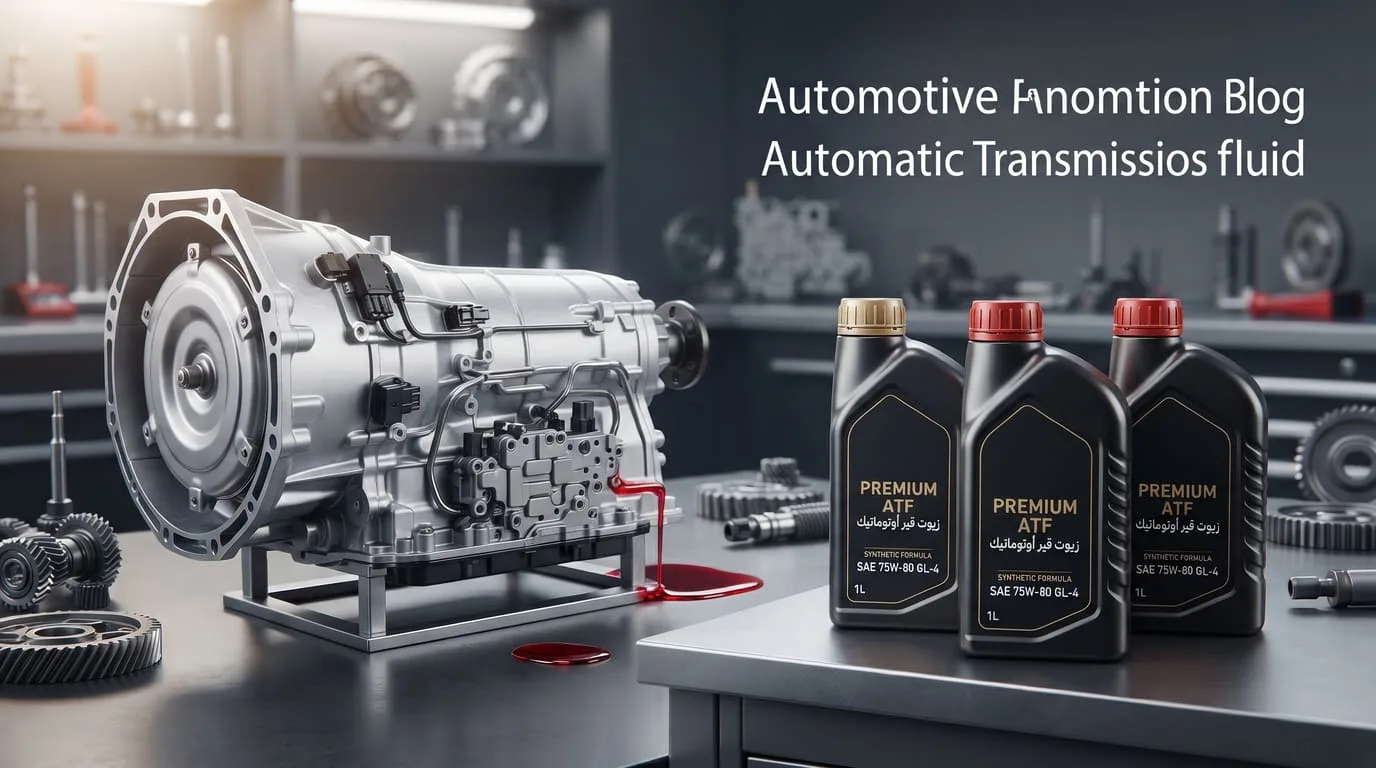
Transmission fluid is one of the most important working fluids in a car. It plays a vital role in protecting complex mechanical components and lubricating the internal gears. The main job of the best automatic transmission fluid is to reduce the friction and wear caused by metal parts meshing with each other as you shift between gears. It also carries the hydraulic pressure the system needs to run smoothly. In addition, transmission fluid helps cool the gearbox and stops temperatures from rising inside the transmission. This protects the system from early damage and costly failures.
What Does Automatic Transmission Fluid Do in Your Car?
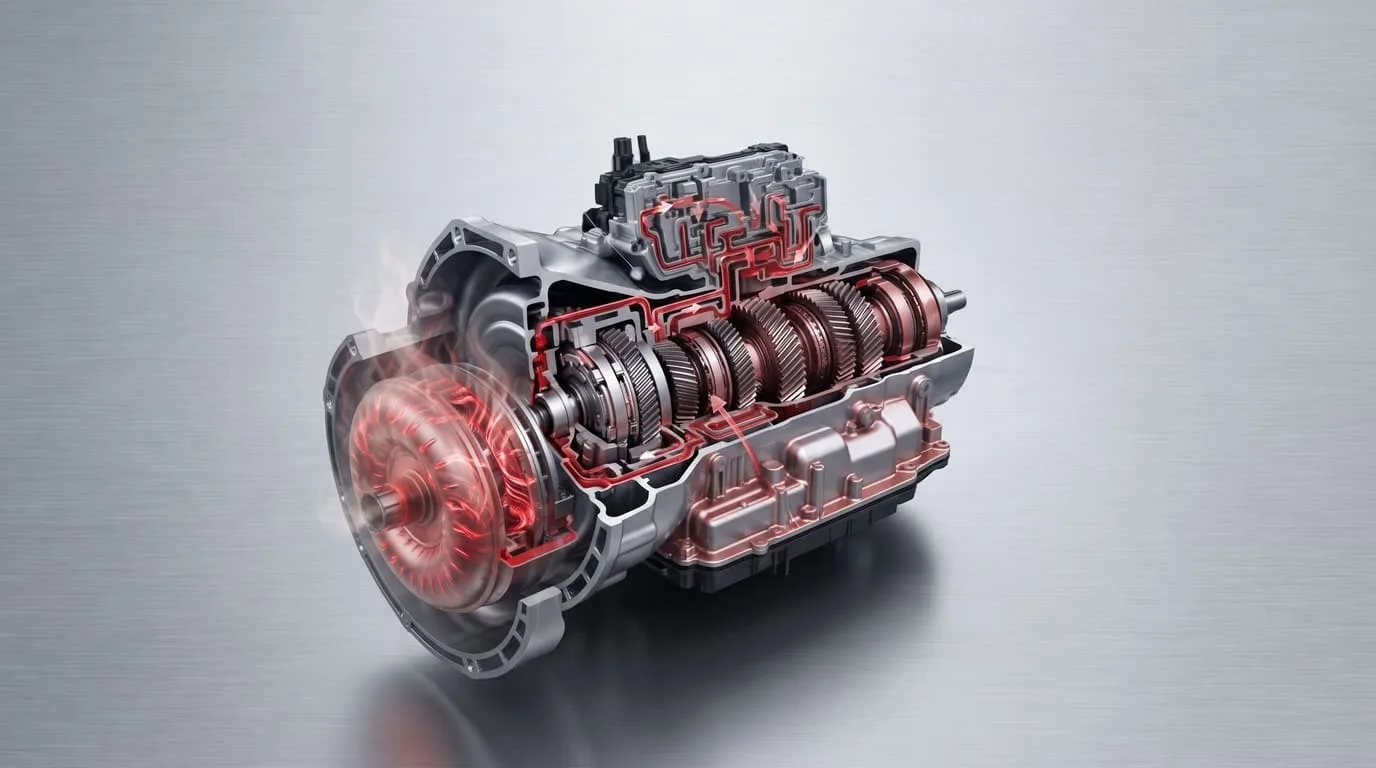
Automatic transmission fluid is the lifeline that keeps the transmission working efficiently and smoothly. It performs a set of core functions.
❖ Transferring pressure and motion (hydraulic medium)
Automatic transmission fluid works as the main hydraulic medium. It carries the pressure needed to shift between gears smoothly and without delay.
❖ Lubricating the gears and protecting them from wear
It keeps the gears and internal mechanical parts lubricated at all times. This prevents direct friction and reduces wear, so the transmission lasts longer.
❖ Cooling and dissipating high heat
Automatic transmission fluid plays a key role in absorbing and dissipating the high heat produced by hard use. This protects the hydraulic system from damage.
❖ Keeping shifts easy and driving smooth
Make sure your transmission has high-quality automatic transmission fluid. It keeps the transmission working easily and helps you avoid hard shifting, overheating and fast gear damage.
To keep your car efficient and avoid expensive repairs, learn the signs of transmission damage and when it needs an overhaul as soon as you notice any slow response while driving.
Types of Transmission Fluid
Automatic transmission fluids differ by chemical composition and manufacturing technology. Choosing the right type is a critical step in protecting the life of your transmission. Automatic transmission fluids fall into three main types:
❖ Automatic transmission fluid for conventional automatics (traditional ATF):
Used in cars with a classic automatic transmission of 4 to 10 speeds. Its hydraulic properties ensure smooth power transfer between gears.
❖ Automatic transmission fluid for continuously variable transmissions (CVT):
Made for CVT cars, which use pulleys and a metal belt instead of gears. These fluids have a formula that stops the metal belt from slipping and provides the right amount of friction.
❖ Automatic transmission fluid for dual-clutch transmissions (DSG / DCT):
Used in cars with a dual clutch (such as most German and European cars). These need automatic transmission fluid that transfers pressure very quickly and withstands very high temperatures.
The Speero blog has a complete guide to everything you need to know about automatic transmission fluid.
Symptoms of Bad Automatic Transmission Fluid
If you skip changing the transmission fluid when it reaches the end of its service life, clear warning signs appear in how the car drives. These symptoms mean the fluid has lost its lubricating and hydraulic properties and can no longer protect the transmission.
❖ Delayed response when shifting
Do not put off changing your automatic transmission fluid. Worn fluid weakens the hydraulic pressure inside the gearbox. This causes heavy, noticeably delayed shifts between gears, or a hard "clunk" when shifting.
❖ Change in the fluid's color and smell
Automatic transmission fluid is a clear pinkish red. As it burns and picks up contaminants, it turns dark brown or black and gives off a clear burning smell.
❖ Abnormally high transmission temperature
Healthy automatic transmission fluid helps cool the transmission. When it loses its effectiveness, the internal gears heat up quickly, and you may see a warning message in the car's system or on the instrument cluster display.
❖ Grinding sounds or strange noises
Check the condition of your transmission fluid right away if you notice any strange noise. Rattling or whining sounds point to fluid that has lost its effectiveness and can no longer protect the metal gears from friction.
❖ Transmission fluid leaking under the car
The high heat caused by worn automatic transmission fluid can wear out the seals and lead to leaks. This lowers the fluid level and weakens the whole transmission's performance.
To keep your transmission working well, read automatic transmission fluid: everything you need to know about types and change intervals so you maintain your car correctly.
Causes of Transmission Fluid Damage
The main cause of transmission fluid damage is an overheating transmission, and the fluid losing its properties through neglect or hard use. Understanding these causes helps you avoid wearing out your automatic transmission fluid quickly and protects your gearbox.
❖ Hard driving and overloading the car
Frequent driving in heavy traffic, carrying heavy loads and constant uphill driving all generate very high heat inside the transmission. This speeds up oxidation of the fluid and the loss of its viscosity.
❖ Delaying the scheduled change
When a driver does not replace the transmission fluid at the intervals the manufacturer recommends, it fills with contaminants and metal filings from gear friction. The fluid becomes contaminated and damages the internal parts.
❖ Leaks and a low transmission fluid level
A low amount of transmission fluid in the system increases friction between internal parts and pushes temperatures to extreme levels. This quickly ruins the automatic transmission fluid left inside the transmission.
Read the difference between 5W30 and 10W40 oil to find the best option for your car.
Tips to Choose the Best Automatic Transmission Fluid and Extend Its Life
Keeping your transmission efficient takes sound driving and maintenance habits. A few simple steps help protect the transmission fluid from early damage and keep performance smooth for as long as possible.
❖ Check the automatic transmission fluid level regularly: Measuring the fluid level at regular intervals helps you catch any hidden leak early. Driving with a low level raises the heat and quickly ruins the automatic transmission fluid.
❖ Change the transmission filter with every fluid change: The filter's life is tied to the fluid's life. Contaminants that build up in the filter restrict the flow of automatic transmission fluid. This causes high pressure and rising heat, which speed up oxidation of the fluid.
❖ Avoid harsh driving habits: Sudden take-offs, or quick changes between gear positions (such as shifting from R to D while the car is still moving), create huge friction. This raises the transmission fluid temperature and makes it lose its viscosity.
❖ Use an external oil cooler under heavy loads: If you drive in very hot areas or tow heavy loads often, fitting an extra cooler keeps the automatic transmission fluid temperature within safe limits.
❖ Choose the automatic transmission fluid type the manufacturer recommends: Always buy the viscosity and standard specifications listed in your car's manual. Do not mix different types of transmission fluid, so its chemical composition does not change.
To keep your transmission efficient and avoid sudden failures, read more about when to change transmission fluid for smooth performance from your car.
The transmission is your car's second mechanical heart, and keeping it healthy depends directly on the quality of the fluid you use. So make preventive maintenance a core part of your regular routine. Looking after your automatic transmission fluid regularly saves you from a cycle of complex repairs and the high costs that sudden failures can bring. When you choose the right automatic transmission fluid, one that fully matches the standard specifications your car requires, you do more than protect the internal gears from wear and high heat. You also get a comfortable, smooth drive on every trip.
You can check the complete guide to choosing the right oils for your car to keep your engine efficient.
Learn the sounds that point to faults in your car and how to judge how serious they are to avoid sudden failures and high costs.
Frequently asked questions
Which automatic transmission fluid is best for my car?
The best automatic transmission fluid is the type your car's manufacturer recommends, with the viscosity and standard specifications listed in your car's manual. Do not mix different types of transmission fluid.
What are the types of automatic transmission fluid?
There are three main types: traditional ATF for conventional automatics with 4 to 10 speeds, CVT fluid for continuously variable transmissions, and fluid for dual-clutch transmissions (DSG / DCT).
How do I know my transmission fluid is bad?
Common signs are delayed or hard shifts, fluid that has turned dark brown or black with a burning smell, an abnormally hot transmission, strange noises and leaks under the car.
What color should automatic transmission fluid be?
Healthy automatic transmission fluid is a clear pinkish red. Dark brown or black fluid with a burning smell has burned and picked up contaminants.
Should I change the transmission filter when I change the fluid?
Yes. Change the transmission filter with every fluid change, because contaminants in the filter restrict fluid flow, raise pressure and heat, and speed up oxidation of the fluid.
Related articles
 Engine
Causes of an Oil Smell in Car Cabins and How to Fix It
An oil smell inside the car can signal an oil leak or a serious mechanical problem. Learn the main causes, the risks, and how to find the leak and respond.
6 min readEngine
When Does a Transmission Need a Rebuild? Key Signs Not to Ignore
When does a transmission need a rebuild? Learn the main signs, like delayed shifts, jerking, slipping and odd noises, plus common causes and prevention tips.
7 min read Engine
Automatic Transmission Fluid: Types and When to Change It
Learn about automatic transmission fluid: its types, signs of wear and when to change it, plus tips to protect your transmission and avoid costly repairs.
8 min read