
Engine
What Causes Engine Vibration in a Car
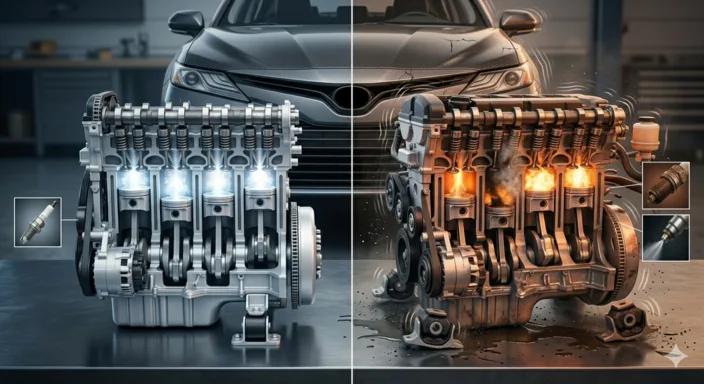
Knowing what causes engine vibration matters: it is one of the most worrying faults a car owner can face. When the owner feels the engine shake while stopped or while driving, concern sets in, because it points to a fault in one of the car's components.
The cause may be simple, such as a tire problem or damaged spark plugs, or more complex, such as a problem in the engine or the transmission.
What causes engine vibration in a car?
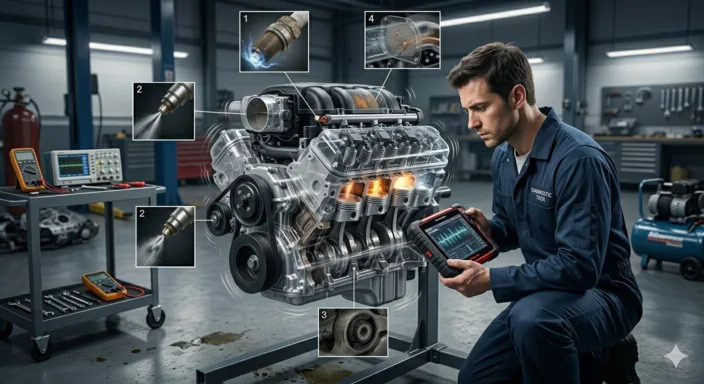
The engine is one of the most important parts of a car. It is the heart of the car: it generates motion and provides the power needed to drive it. Still, drivers may notice engine vibration at start-up, while driving or while stopped at a traffic light. These vibrations can be annoying, and they often point to a problem that needs quick attention.
General technical causes of engine vibration
The main general causes of engine vibration are:
- An imbalance in the internal engine components, such as the crankshaft (crank). If these parts are damaged or deformed, the engine shakes noticeably.
- Combustion problems. When combustion becomes irregular or weak in one of the engine's cylinders, the torque becomes uneven, and the driver feels it as a shake or tremor in the engine.
- Fuel system problems, such as a clogged fuel filter, damaged fuel injectors or injector nozzles clogged with deposits. These reduce or disrupt the even flow of fuel to the cylinders.
- Damage or wear in internal engine components such as the piston rings, liners and valves, or damaged engine mounts. This lets the vibration pass clearly into the car body.
Causes of engine vibration at start-up
Engine temperature and its link to vibration
- When the engine does not reach its normal temperature right after start-up, the owner may notice a clear shake or vibration in the engine, especially in the morning or on cold days.
- A low engine temperature makes the oil build up and become more viscous. This reduces smooth movement inside the mechanical parts and increases friction, which causes temporary vibration at start-up.
Fuel and ignition system faults
- Worn or damaged spark plugs are one of the main causes of car engine vibration at start-up. Damaged spark plugs lead to incomplete fuel combustion, so the engine runs rough and the vibration increases.
- Clogged or damaged fuel injectors cause uneven fuel flow into the cylinders. This disrupts combustion and makes the engine shake, especially when it is cold or under light acceleration.
- Damaged ignition coils (spark plug coils) or damaged wiring connected to them cause an intermittent or weak spark. This makes combustion irregular, and the engine shakes noticeably.
Effect of the air filter and other filters
- A clogged or dust-contaminated air filter reduces the amount of air entering the engine. This upsets the balance of the air-fuel mixture and causes engine vibration, especially in N or D with the car stationary.
- Not changing or cleaning the filter leads to deposit build-up and makes combustion worse. This may show as shaking or fluctuating engine speed (RPM) at start-up.
Causes of car engine vibration while driving
Fuel system problems
- A clogged fuel filter reduces the amount of fuel reaching the engine. This disrupts combustion, and the driver notices a mix of weak torque and engine vibration, especially at medium speeds or when climbing hills.
- A weak or damaged fuel pump may stop the engine from getting enough fuel at a steady rate. This makes engine performance fluctuate and increases vibration while driving.
- A faulty fuel pressure regulator causes fuel to be distributed unevenly to the cylinders. This causes repeated vibration or stuttering engine performance.
Ignition system faults
- Worn, damaged or fouled spark plugs reduce the spark's ability to ignite the fuel fully. This disrupts combustion, and the driver feels it as engine vibration or a slight misfire while driving or when stopped.
- Damaged or cracked ignition wires interrupt the electrical supply to the spark plugs. This causes misfiring and more vibration, especially at high speeds or under acceleration.
Air leaks or an incorrect air mixture
- Vacuum leaks in the vacuum hoses or in the gaskets around the air or exhaust pipes let unmetered air into the engine. This upsets the air-fuel balance and causes vibration or shaking in the engine while driving or when stopped.
- Worn or damaged gaskets or rubber hoses in the air or exhaust system disrupt the flow of gases. This shows as vibration or strange noises from under the hood or from the exhaust.
Causes of car engine vibration when stationary
Combustion and air filter problems
- A combustion fault is one of the main causes of engine vibration when the car is stationary. It may be linked to damaged or old spark plugs or to clogged or damaged fuel injectors. These make the engine run unevenly and vibrate noticeably when cold or under a light load.
Damaged engine mounts
- Worn or damaged engine mounts, which attach the engine to the car's frame, make the engine lose its stability. The vibration then passes noticeably into the car body, especially when stopped at a traffic light or when running the AC or electrical devices.
- A worn or damaged timing belt can disrupt the timing of valve opening and closing. This causes clear engine vibration when stopped or under light acceleration.
Exhaust system problems
- Corroded or damaged exhaust pipes or muffler cause leaks or disrupted exhaust gas flow. This upsets exhaust pressure and shows as vibration or annoying noise from under the car, especially when stopped or during initial acceleration.
- A clogged or damaged catalytic converter or exhaust section makes it hard for gases to exit. This reduces engine performance and increases vibration, and the driver may notice weak torque along with engine shaking.
Car engine vibration while driving or when stopped
The role of tires and wheels in vibration
- Unbalanced or worn tires can cause vibration in the steering wheel or the car body. Drivers may confuse engine vibration with tire vibration, especially at 80 or 100 km/h.
- Worn, damaged or cracked tires cause clear vibration while driving or stopped. The owner may notice that the vibration gets worse at high speeds or when the car is loaded.
Brake and suspension problems
- Worn brake discs or deposits on them can cause shaking or vibration when braking or even when stopped. The driver may feel the vibration mainly in the steering wheel or the brake pedal.
- Worn or damaged suspension or axle components, such as the universal joint or the driveshaft, can cause vibration in the floor or the seat, especially at steady speeds or under acceleration.
Read also: The difference between genuine and aftermarket radiators
How to fix car engine vibration
Basic maintenance and inspection steps
- Regular servicing of the oil, oil filter, air filter and other filters, plus changing the spark plugs on schedule, is one of the most important steps to reduce engine vibration and improve the engine's stability and service life.
- Checking the fuel and ignition systems, cleaning or replacing the fuel injectors, checking the spark plugs and coils, and replacing any damaged or old part helps reduce engine vibration and improve the car's torque.
- Checking the exhaust, brakes and tires, balancing the wheels, adjusting the alignment, and checking the engine mounts and the condition of the gaskets can solve much of the car's vibration, whether while driving or when stopped.
How do you avoid the causes of car engine vibration?
Engine vibration is a common problem that can result from several factors. These include fuel or ignition system problems, faulty engine mounts or engine balance, a clogged air filter or damaged spark plugs, as well as mechanical factors related to the tires, suspension or brakes.
The solution always starts with sticking to regular maintenance and checking key spare parts (spark plugs, filters, oil, engine mounts, tires). Replace any worn or damaged part as soon as you notice a change in engine performance or a noticeable shake or vibration.
If the vibration continues or gets worse over time, do not put off seeing a specialist. Neglect can lead to bigger damage to the engine, the electrical system or the exhaust, raise the repair cost, and may put your safety at risk while driving. Service your car regularly and look after your engine. The best way to prevent the causes of car engine vibration is to act before the problem gets worse.
Frequently asked questions
What are the most common causes of car engine vibration?
The most common causes are damaged spark plugs or coils, a clogged air filter or fuel filter, damaged engine mounts, and a combustion fault or an air leak into the engine.
Is engine vibration when stopped dangerous?
Engine vibration when stopped may be minor when it comes from damaged spark plugs or engine mounts. But if it comes with strange noises, lower torque or higher fuel consumption, it may be a sign of a deeper fault in the engine or the electronic system.
Do the air filter or spark plugs affect engine stability?
Yes. A dirty or clogged air filter affects engine stability because it reduces airflow to the engine. The air-fuel mixture is then not ideal, which shows as weak torque, vibration or even engine hesitation.
Faulty spark plugs cause clear shaking in the car because they directly affect combustion inside the cylinders. This leads to engine vibration, higher fuel consumption and hard starting, especially in the morning or in cold conditions.
Related articles
Engine
Why the check engine light comes on and off, and what to do
Learn why the check engine light comes on and off, the warning signs linked to it, and how to check it properly to avoid sudden breakdowns.
6 min readEngine
A Complete Guide to Choosing Types of Engine Oil
Choose the right car oil for your car. Learn the difference between mineral and synthetic, viscosity grades, and the best oils by climate and performance.
7 min readEngine
Engine Oil Leaking From Underneath Car
An engine oil leak from underneath can damage the engine and raise repair costs. Learn the signs, common spots, safe checks and quick fixes.
4 min read