
Brakes
Common Car Brake Problems and the Best Ways to Prevent Them
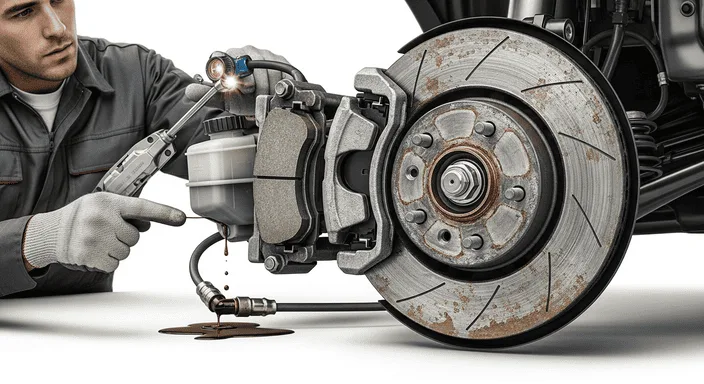
The braking system is one of the most important systems in any car. It is the main tool that keeps passengers and pedestrians safe on the road. No driver can feel at ease behind the wheel unless they are sure their brakes work efficiently. The braking system is the first line of defence against potential accidents. Its performance depends on several factors, including build quality, regular maintenance and driving style. Over time, the braking system develops a range of car brake problems that directly affect the car's safety and performance. Any small fault in the braking system can turn into a big problem if you do not deal with it in time. If you notice unusual noises when you press the brakes, a weak response, or vibration in the car when stopping, these are signs of serious faults that need immediate attention to avoid accidents.
Warning signs of car brake problems
The car pulls to one side when braking
When you notice your car pulling to one side when braking, this points to a fault in how braking force is distributed to the wheels, or a blockage in one of the hydraulic lines. This pull means the brakes are not working evenly on all wheels, which reduces your ability to control the car safely. If the problem continues, you may struggle to stop the car safely on the highway.
Brake warning light on the dashboard
When the brake warning light appears on the dashboard, it points to a real problem in the braking system. The cause may be a low brake fluid level or a fault in the hydraulic system. This light is not a routine alert. It is a serious warning that you should take seriously: stop in a safe place and check the system right away.
Longer stopping distance
If the car needs a longer distance than usual to stop when you press the brakes, this is a clear sign of worn brake pads or damage to the brake master cylinder. This drop in performance means braking force has fallen noticeably. That raises the risk of accidents, especially on highways or during emergency braking. Do not hesitate to replace worn parts.
Strong burning smell after braking
If you smell something strong, like burning, after pressing the brakes, especially after sudden braking or driving down a slope, this points to overheated brakes from heavy use or a fault in the caliper. The smell shows that friction and pressure on the system have become too much. This can cause permanent damage if the problem continues.
The brake pedal sinks lower than normal
If you feel the brake pedal sinking further than usual before the car responds, there is a brake fluid leak or damage to the cylinders. This abnormal drop means the system is losing its ability to build pressure correctly, and you may not be able to stop the car as quickly as you need to.
The whole car shakes when braking
If the car shakes when you press the brakes, the cause is usually a damaged brake disc or a suspension problem that affects how the brakes work. This vibration makes driving less comfortable and means the system needs a full inspection.
The car is hard to move after releasing the brakes
If you notice the car is hard to move after you release the brakes, this points to sticking brakes caused by a damaged caliper or worn linings. It means the brakes are not releasing fully. This increases drag on the car and leads to faster wear and higher system temperatures.
Brake fluid changes colour
If the brake fluid turns dark or contains contaminants, this directly affects the system's efficiency, and the fluid needs changing right away. Clean, clear brake fluid is essential to transmit braking force effectively. Contaminated fluid can cause a chain of faults in the system.
The most common brake problems and their real causes
Sticking brakes
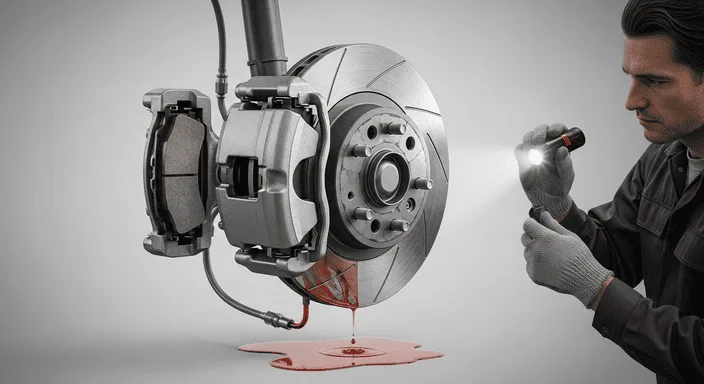
One of the most dangerous faults you can face is brakes that stay engaged and do not fully release, even after you let go of the pedal. This fault comes from dirt or rust building up in the caliper or the brake cylinder. The cause may also be a damaged caliper spring, the part that returns the pads to their normal position. When this happens, the car moves sluggishly even with the pedal released. You may also notice a strong burning smell because the friction never stops.
Anti-lock braking system (ABS) failure
ABS is a modern system that stops the wheels from locking under sudden braking, so you can still steer. When this system fails because of faulty sensors or a faulty ABS control unit, you lose these important safety features. The cause may also be damaged wiring that connects the components. This affects your ability to control the car in an emergency.
Brake drum wear
This happens from heavy brake use without replacing the linings on time. When the linings wear out completely, metal rubs directly against the brake drum. This causes fast wear and permanent damage to the drum. This wear reduces the system's ability to apply pressure and control the car.
Brake fluid leaking from the lines
This comes from brake lines corroding or cracking under heat or high pressure. The result is a fluid leak and a less efficient system. You may not notice the leak at first, but it gradually affects brake performance until you are facing a big problem.
Uneven braking force between the wheels
This happens when one of the brake lines is blocked or one of the calipers is damaged. Braking force is then spread unevenly, so some wheels brake harder than others. This imbalance makes the car pull when braking and reduces your control over it.
Weak braking in wet conditions
When water gets into the braking system and moisture builds up in the brake fluid, performance drops noticeably. Moisture reduces the brake fluid's effectiveness and its ability to transmit force, especially on rainy days.
Burst or cracked brake hose
This happens because the hose is old or has been under constant excess pressure without regular maintenance. When the hose bursts, the system can lose all braking ability at once. This puts you in real danger on the road.
Brake linings wearing out quickly
This leads to fast wear if the linings are not replaced in time, especially with hard driving and frequent braking. With heavy driving and repeated pressure on the brakes, the linings wear out very quickly.
Handbrake vibration
A handbrake problem can come from a slack cable, the cable that pulls the brake tight, or a failed mechanical part in the handbrake system. This vibration shows the handbrake is weak at holding the car in place.
Total brake failure
This is caused by a severe fluid leak or a failed brake master cylinder, which leads to complete failure of the hydraulic system. This is a real emergency that needs immediate action.
Brake discs running very hot
This happens from constant braking on long downhill stretches or a problem with disc ventilation. Excess heat weakens braking and can lead to other faults.
Abnormal friction between brake parts
This comes from incorrectly fitted brake pads or parts that do not match the specifications. Non-genuine parts can cause fast and serious faults.
Read also: 5 important tips to protect your car from breakdowns
Why regular brake maintenance matters
Better efficiency and faster response
By inspecting and cleaning brake components regularly, you can make sure the brakes respond quickly and smoothly when you press the pedal. This improves your control of the car, especially in emergencies and critical situations. Regular maintenance keeps the system in its best condition.
Longer life for brake components
Regular maintenance prevents excessive or uneven wear of the pads and discs. This helps these components last longer and reduces the need for frequent replacement. Instead of frequent, costly replacements, you carry out simple regular maintenance that saves you a lot.
Lower risk of accidents caused by brake faults
When you catch leaks, cracks or other faults early, you prevent sudden brake failures that lead to very serious accidents. Prevention is always better than cure. With brakes, it can be the difference between life and death.
Keeping the car stable when braking
Maintenance makes sure the braking system works evenly on all wheels. This keeps the car stable while stopping and prevents unwanted pulling. This stability gives you confidence and safety while driving.
Lower fuel consumption and general wear
Faulty brakes cause more friction between the pads and discs. That raises fuel consumption because of the extra drag. Regular maintenance prevents this and improves the car's overall efficiency.
Protecting the hydraulic brake system
Checking and replacing brake fluid and spare parts regularly helps keep the hydraulic system in excellent condition. This improves braking and prevents internal wear of the metal parts. A healthy hydraulic system is the key to safe, reliable brakes.
More confidence and safety on the road
When you know your car's brakes work efficiently, you can drive with more confidence, especially on highways or in bad weather. This confidence reduces stress and makes your trip safer and more comfortable.
When to replace the whole braking system
Severe wear across all system components
When the pads, discs, hydraulic lines and master cylinders are badly worn, it is the result of neglect or heavy use without maintenance. In this case, the whole system needs replacing to keep you safe.
Structural damage to the calipers or cylinders
If the calipers or brake cylinders are cracked or have structural damage that cannot be repaired, the system needs replacing for safe operation. This kind of damage cannot simply be worked around.
The whole braking system is contaminated with oils or foreign fluids
If engine oil, coolant or any other fluid gets into the hydraulic brake system, the whole system is damaged. This comes from chemical reactions with the brake fluid, and it calls for a complete system replacement.
Severe rust in the system
When the braking system is badly rusted from corrosion or long exposure to high humidity, the whole system needs replacing. Rust weakens the metal and makes it less reliable.
Damage from a major accident
If the car was in an accident that destroyed the braking system or badly deformed its parts, replacing the whole system is the safest option. Patching it up may not be reliable after a severe accident.
Repeated faults and repairs that do not work
If brake problems keep coming back despite repairs, the whole system needs replacing. Repeated problems mean a complete fix is the only option.
Overall performance declining over time
If you notice the brakes no longer meet your daily driving needs, with a weak response or parts wearing out repeatedly, the whole system needs replacing. This general decline means the system has reached the end of its life.
How to handle brake lock-up on the road in cars equipped with ABS
If the car has ABS, press the brake pedal firmly and steadily. Do not try to ease off or pump the pedal. ABS will do what is needed to stop the wheels locking and keep your steering control.
In cars without ABS: if the car does not have ABS, press the brake pedal gently and in pulses. Steer the car gently to a safe place to stop. You can also use engine braking by shifting down gradually, taking care not to stall the engine.
Basic steps in both cases
- Stay focused and keep your attention on the road.
- Try to avoid sudden manoeuvres.
- After stopping, check the braking system for damage or leaks.
- Go to the nearest service centre to have the car checked and any faults repaired.
Steps to prevent brake lock-up
Regular inspection and maintenance
Inspect and maintain the braking system regularly. Check the brake fluid: make sure the level is right and the fluid is clean. Change it as the manufacturer recommends. It is important to check the brake pads and brake discs. Make sure they are in good condition and not badly worn. Replace them when needed.
Check the hoses and lines
Check the brake hoses and lines. Make sure there are no cracks or leaks.
Check the ABS
Make sure the ABS is working, and working correctly. You can check this by braking hard on a road with no traffic.
Keep a safe distance
Keep a safe distance from the car in front of you so you do not need to brake suddenly. Avoid speeding, which raises the risk of brake lock-up.
Brake the right way
If the car has ABS, press the brake pedal firmly and steadily. Do not try to ease off or pump the pedal. ABS will stop the wheels from locking. If the car does not have ABS, press the brake pedal gently and in pulses, and try to steer the car to a safe place to stop.
Use engine braking
Use engine braking, which can slow the car and save you from braking suddenly. You can do this by shifting down gradually.
Check tyre pressure
Make sure the tyre pressure is correct. Under-inflated tyres raise the risk of brake lock-up.
Signs of a technical fault in the brakes
Strange, annoying noises
Strange noises such as squealing point to worn brake pads or a problem with the brake discs. Clicking points to damaged brake components such as the pistons or cylinders. A buzzing noise points to a problem with the ABS.
Changes in the brake pedal
The pedal may feel spongy or soft. This points to air in the braking system or a brake fluid leak. The pedal may feel hard or rigid, which is a sign of blocked lines or hoses. The pedal may also sink low. This points to a brake fluid leak or a damaged master cylinder.
Vibration and shuddering
Vibration in the steering wheel is a sign of damaged brake discs or a suspension problem. Shuddering in the car is a sign of unbalanced brakes or a tyre problem.
Braking performance problems
You may find a longer braking distance, which points to worn brake pads or a problem in the hydraulic brake system. You may also find the car hard to stop. This is a sign of a serious braking system problem. You may also notice the car pulling when you brake. This points to a problem with how braking force is distributed between the wheels.
Other warning signs
The brake warning light comes on. Brake fluid leaks under the car. A burning smell appears, which points to overheated brakes.
The braking system is not just a mechanical part of your car. It is the first shield that protects you, your passengers and the people around you on the road. Every press of the pedal carries a big responsibility, and good brakes mean a safe life. Do not wait until a serious problem hits you on the road. Be proactive and maintain your braking system on a regular schedule. Check the brake fluid, replace worn pads, clean the lines and listen for any strange noises: these simple steps save you a lot and keep you safe. Always remember that prevention is better than cure, and that investing in your car's brakes is an investment in your life. Do not hesitate to visit a specialist service centre at the first warning sign. You can replace damaged parts through Speero car spare parts store. Your safety on the road is priceless.
Frequently asked questions
What are the signs of car brake problems?
The main signs are the car pulling to one side when braking, the brake warning light on the dashboard and a longer stopping distance. You may also notice a burning smell after braking or the pedal sinking lower than usual.
Why does my car pull to one side when I brake?
The pull points to a fault in how braking force is distributed to the wheels, or a blockage in one of the hydraulic lines. It means the brakes are not working evenly on all wheels.
What should I do if the brakes lock up in a car with ABS?
Press the brake pedal firmly and steadily and do not pump it, because ABS stops the wheels locking and keeps your steering control. In a car without ABS, press the pedal gently and in pulses.
When should the whole braking system be replaced?
When all its components are severely worn, when the calipers or cylinders have structural damage, or when the system is contaminated with oils or foreign fluids. Replacement is also needed for severe rust or faults that keep coming back despite repairs.
Related articles
 Brakes
Toyota Brake Pad Prices: How to Choose the Right Pads for Your Car
Toyota brake pad prices vary by model, year, pad type and position. See what affects the price and how to choose the right Toyota pads for your car.
5 min readBrakes
Ceramic vs Metallic Brake Pads: Differences and Which Suits Your Car
Ceramic vs metallic brake pads: learn how they differ in performance, durability, noise and rotor wear, and pick the one that suits how you drive.
6 min read Brakes
Brake Box: 4 Signs of Damage to Watch For
Learn how the brake box converts hydraulic pressure and distributes it across the brakes, plus 4 signs of damage that can affect safety.
4 min read