
Car care
Regular Car Maintenance: Protecting Spare Parts from Early Damage
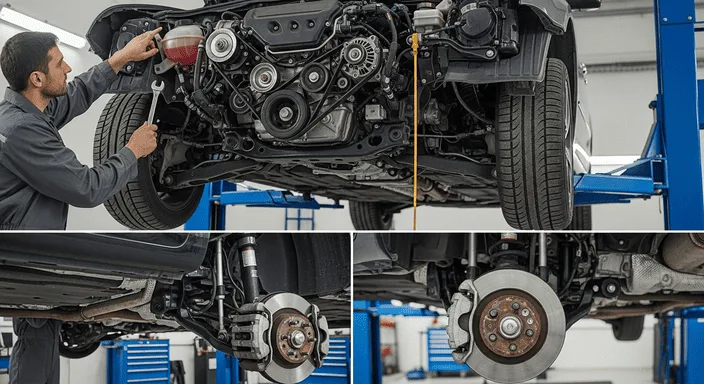
Your car is more than a way to get around. It is a reliable companion and part of your daily life. To keep it reliable and cost-effective, make regular maintenance a priority, because every vehicle needs it. This type of maintenance extends the life of components, makes them more reliable and safer, and, of course, lowers long-term maintenance costs.
Everyone knows this, yet many people still underestimate regular maintenance. Their cars then need unexpected, costly repairs that could have been avoided.
This comprehensive guide explains why regular maintenance is a smart investment that saves you money and extends your car's life.
What is regular car maintenance?
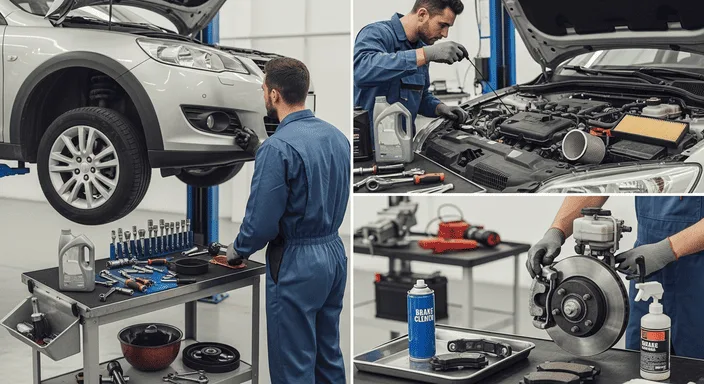
It is a set of routine, preventive procedures that cars need periodically to inspect all their interior and exterior parts. The aim is to prevent sudden breakdowns in the future, which keeps the driver and the car safe. Regular maintenance means checking the car's technical condition on a regular basis to make sure all its parts work efficiently and smoothly. It covers the engine, brakes, tires, fluids and electronic parts, with the needed replacements made at the right time. The benefits of regular maintenance are clear: it prevents sudden breakdowns, improves the car's performance, reduces major repair costs over the long term, and preserves the car's resale value.
The importance of regular car maintenance
Extending the life of essential parts
Regular car maintenance includes inspecting all parts of the car, especially the essential parts the car cannot run without. This extends their service life and protects them from early damage and wear. It also saves you from turning to spare parts that may not be genuine, which could force you to sell the whole car. The older the car and the more distance it has covered, the more care its parts need. If your car gets regular maintenance at the scheduled times, its essential parts are checked continuously, which extends their service life. They are also repaired or replaced before their condition gets worse and they fail suddenly while you drive.
Preventing costly breakdowns and keeping warranties valid
Finding and fixing small problems during regular maintenance stops them from turning into serious, costly breakdowns later. For example, changing the oil regularly prevents early engine wear.
In many cases, to keep your car's factory warranty valid, you must carry out the inspections and services listed in the owner's manual. Skipping these inspections can void the warranty.
Better performance
Regular maintenance helps improve your car's performance, because a careful inspection of the parts reveals defects you cannot see. If all the inspected parts stay new and clean, they improve the car's performance, especially the engine. Regular car maintenance uncovers hidden defects that a visual check cannot find. This helps the car perform well in the future and keeps it like new for as long as possible.
Lower maintenance costs
Regular maintenance shows you the condition of the parts in your car and their service life, so it lowers the car's overall maintenance cost. The earlier a fault is found, the faster and cheaper it is to fix. You also avoid further damage to parts that would be expensive to repair later. Dealing with small problems early helps you avoid the high costs that come when a problem gets worse, which can make the whole car break down at a later stage. Regular car maintenance also helps you get a better price for the car if you want to sell it.
Regular car maintenance by time schedule
Daily car maintenance: a quick visual check of the car's parts to make sure there are no problems, such as checking the wheels, brakes, lights and glass. It also includes a look under the hood to check the oil level and make sure there are no leaks. This check takes no more than 30 seconds.
Monthly car maintenance: if the car owner cannot do the daily check, they can do the same check monthly. Precise tools can also be used, such as an air pressure gauge, to make sure the car's parts are sound.
Annual car maintenance: once a year, the car needs regular maintenance to make sure all its parts work. This includes checking the car's AC filter and the gas pressure, and replacing them if there is any fault. It also includes checking tire wear and fixing any problem right away.
Regular car maintenance by mileage
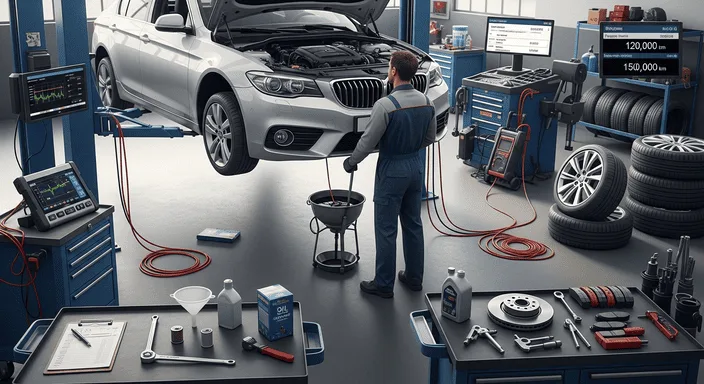
Suggested maintenance schedule by mileage:
Every 5,000–10,000 km: change the engine oil and main filters. Check the engine oil level and make sure its quality and properties are right and it is free of impurities. Make sure the filters work well. Check the brakes and tires for wear caused by friction. Check the battery's condition and performance, and make sure the connecting cables are sound and free of corrosion buildup.
Every 20,000 km: inspect the brake and suspension systems, and replace fluids as needed. Check the car's cooling system and the coolant level. Check the exhaust for rust or leaks. Make sure the gearbox oil and all the car's hoses are in good condition. Check the car's spark plugs and replace them if needed.
Every 40,000–50,000 km: check the battery and electronic parts, and do a full inspection of the cooling and lubrication systems. Change the spark plugs even if they show no fault. Check the power steering fluid level and change the filters. Change the automatic transmission oil if needed. Replace the shock absorbers and air cushions.
What regular maintenance includes
Regular maintenance includes many checks on the most important parts of the car:
Battery and cables
To protect the battery and its cables from corrosion and damage, check them during regular maintenance. Confirm the battery's strength and the amount of power it produces, and inspect its cables and replace them if needed.
Engine and transmission mounts
The rubber engine and transmission mounts take a lot of stress and vibration. The older the car and the more distance it has covered, the more these mounts wear out. This causes strong vibrations in the car and exposes these parts to damage.
Dashboard warning lights
The instrument cluster in your car and the warning lights on it can be damaged by heat and sunlight. Regular maintenance keeps the cluster and the warning lights checked and working well, because repairing the instrument cluster is costly and takes a lot of time.
Brakes
Regular maintenance of the brake system is essential: checking the fluid, pads, rotors, linings and cylinders. Experts recommend regular inspection and maintenance, along with routine service of the brake fluid and other parts, replacing them when needed.
Radiator and hoses
The radiator cools the water or coolant, which in turn cools the engine. If the radiator is damaged, the engine temperature rises, and the engine may fail completely if you do not notice. Regular maintenance of the radiator, the coolant and its hoses keeps it sound and clean and makes sure it works at its best.
Filters
Cars have four main filters: the air filter, the AC filter, the oil filter and the fuel filter. These filters are checked during regular maintenance to make sure they are clean and free of dirt, and they are replaced with new ones to maintain the car's performance.
Belts
For the engine to run and drive the parts connected to it, such as the water pump, the alternator and the AC compressor, it needs a set of belts to transfer its power to them. Regular maintenance includes checking these belts for cracks or damage to keep the car running without problems.
Oils
Oils matter a lot in a car and should never be overlooked. Your car has engine oil, transmission oil, power steering fluid and brake fluid. These are checked for viscosity and impurities, and to make sure they are at the level the car manufacturer recommends.
Spark plugs
The main job of spark plugs is to create an electric spark that ignites the fuel and air mixture inside the engine so it runs. If the spark plugs wear out or get damaged, engine performance drops, and in some cases the engine may not run at all. That is why regular maintenance of the spark plugs matters, to check their age and condition.
Suspension system
The suspension system connects the wheels to the car. It protects the car from potholes, speed bumps and other road hazards, absorbing them so the driver and passengers stay comfortable while driving. Imagine how hard driving would be if the suspension were damaged, especially the shock absorbers. This is where regular maintenance keeps this important system working efficiently.
Wheels
Everyone knows how important a car's wheels are. They are among the most important safety factors on the road. The higher the quality of your car's wheels, and the better they suit the roads and the season you drive in, the safer you are, God willing. Regular maintenance checks the tread depth and wear, along with the correct air pressure.
Lights
Checking all the car's interior and exterior lights during regular maintenance is essential. You should also check your car's lights often to keep yourself and the drivers around you safe, day and night.
The importance of regular maintenance in protecting spare parts
How regular car maintenance improves operating efficiency
Regular vehicle maintenance plays a decisive role in ensuring efficient performance, reducing breakdowns and extending the car's service life. This directly lowers operating costs and raises productivity. For companies and organizations that rely on vehicle fleets in their daily operations, managing regular car maintenance becomes a strategic matter, not just a precaution. Car spare parts maintenance from Speero assures the quality of parts and keeps the car performing at top efficiency.
Regular maintenance directly affects the car's performance and operating efficiency. It ensures:
- Better engine performance: keeping the filters clean and changing the oil regularly helps the engine run smoothly and efficiently.
- Fewer mechanical faults: regular maintenance finds problems early, before they turn into costly faults that take the vehicle off the road.
- Longer car life: regular maintenance extends vehicles' service life by reducing wear from constant use.
- Driver comfort: vehicles that get regular maintenance are safer and smoother to operate, which improves the driving experience and reduces driver fatigue.
How does regular car maintenance cut fuel consumption and emissions?
Fuel is one of the largest operating costs in fleet management, and neglected maintenance can increase fuel consumption and carbon emissions. Regular maintenance can deliver these benefits:
- Better fuel efficiency: tuning the engine regularly, cleaning the fuel injectors, and changing the air and fuel filters can improve fuel consumption by up to 10-15%.
- Lower carbon emissions: poorly tuned engines use more fuel and release harmful emissions. Regular maintenance keeps the engine at peak efficiency and reduces the environmental impact.
- Correct tire pressure: incorrectly inflated tires increase road resistance, which raises fuel consumption by 3-5%. Regular checks ensure the best performance.
- Fewer extra trips: when vehicles run efficiently, breakdowns drop, which limits emergency repair trips and unnecessary fuel use.
Economic and operational benefits of regular maintenance
Regular car maintenance is one of the most important factors in improving overall performance, reducing costs and making fleets more efficient. Large companies rely on regular maintenance plans to keep their vehicles running without sudden breakdowns that hurt productivity.
Lower operating costs and fewer sudden breakdowns
Sudden breakdowns are not just a mechanical problem. They can be a major operational obstacle that halts work and costs productivity. Regular vehicle maintenance plans reduce the chance of costly breakdowns, which leads to:
- Lower emergency repair costs, which are often higher than the cost of preventive maintenance.
- Fewer lost hours caused by vehicle breakdowns and delayed operations.
- Better fuel efficiency, since regularly maintained vehicles run more efficiently and use less fuel.
- Less spending on spare parts, since finding problems early stops damage that could require replacing major parts.
Longer service life and better return on investment
Replacing cars often because of breakdowns or fast wear raises operating costs and lowers the return on investment. When vehicles get regular maintenance, they stay in ideal running condition for longer, which results in:
- A vehicle service life up to 50% longer than that of vehicles that do not get regular maintenance.
- The most value from the investment in vehicles, since companies can use them longer before they need replacing.
- Better resale value, since well-maintained vehicles keep a higher market value when sold as used assets.
Less need to replace cars through proactive maintenance
Companies sometimes replace cars that break down often, but the real cause may be poor regular maintenance rather than the end of the car's actual life. Regular and proactive maintenance reduce the need to replace cars by:
- Keeping cars in ideal running condition for long periods, which reduces the need to buy new vehicles.
- Achieving long-term operational sustainability, as the car becomes a long-term investment rather than a quickly consumed asset.
Read also: What signs of spare part damage call for immediate replacement?
The importance of a technical inspection before buying a used car
A full technical inspection before buying a used car matters a great deal, yet many people do not know it. This is especially true if the car is somewhat old or has covered a long distance that has shortened the service life of its parts. That is why new websites that offer car buying and selling services have made buying and selling easier: they offer services people were not used to before.
The Motorgy website, also available as a smartphone app, offers a wide and varied range of cars inspected by experts, with a full inspection report covering more than 70 important checkpoints. This inspection makes it easier to choose your dream car, because it shows the condition of key parts such as the engine, transmission and suspension. It also shows the condition of the body, the paint and any scratches, and even the dashboard warning lights, all the car's systems and many other checks you might not have thought of.
Once you have chosen the car you want to buy, just call the Motorgy team or send a viewing request to inspect the car up close and test-drive it at a time you choose. If you like it and want to negotiate the price, the Motorgy team will handle that and negotiate on your behalf to get you the lowest price. They will also help you secure a safe, legal payment and make it easier to transfer ownership from the seller to you.
Sticking to regular maintenance is the foundation of a longer car life. It reduces sudden breakdowns and lowers future costs, making the car safer and more dependable for the driver. Regular vehicle maintenance is a key part of managing vehicles effectively, and it helps companies get the most from their fleet by reducing breakdowns, improving performance and lowering operating costs.
An ounce of prevention is worth a pound of cure. This is not just a saying but a fact that applies to your car. Regular car maintenance is not a luxury. It is a necessity to protect spare parts from early damage, keep you safe on the road and save money over the long term. Do not wait for your car to break down. Make regular maintenance a habit that protects your investment and keeps you comfortable and safe while driving on the streets of Saudi Arabia.
Frequently asked questions
1: How many km between regular car services?
Regular maintenance is done every 5,000 to 10,000 kilometers, depending on the type of oil used and the manufacturer's recommendations. If you use regular mineral oil, service the car every 5,000 km. With synthetic or semi-synthetic oil, you can go up to 10,000 km between services. More thorough inspections are also done at 30,000 km, 60,000 km and beyond, following the manufacturer's schedule.
2: What does regular car maintenance include?
Regular maintenance includes:
- Changing the engine oil and oil filter
- Checking and changing the air and fuel filters
- Checking tire pressure and making sure the tires are not worn
- Inspecting the brake system and checking the brake pads
- Checking the car's fluids (brake, coolant, power steering)
- Checking the battery and cables
- Inspecting the suspension and exhaust systems
- Checking the lights and wipers
3: How much does regular car maintenance cost in Saudi Arabia?
Costs vary by car type and workshop:
- Basic maintenance (oil and filter change): 200-500 SAR
- Intermediate maintenance: 600-1,000 SAR
- Full maintenance: 1,500-3,000 SAR
- Maintenance at authorized dealerships: more expensive than at independent workshops
4: Why is regular car maintenance important?
Why regular maintenance matters:
- It can extend the car's service life by up to 50%
- It avoids sudden breakdowns and costly repairs
- It cuts fuel consumption by 10-15%
- It keeps the driver and passengers safe on the road
- It preserves the car's value when you sell it
- It finds small problems before they get worse
5: Is regular maintenance necessary?
Yes, regular maintenance is very necessary. About 20% of road accidents happen because of a lack of regular maintenance. Regular maintenance prevents problems before they happen, helps keep the engine efficient and performing well, and is necessary to comply with traffic safety rules. Sticking to regular maintenance is a smart investment to protect your car and your safety on the roads.
Related articles
Car care
Periodic Car Maintenance Schedule
The periodic car maintenance schedule: a full guide to when to inspect and replace parts by mileage and age, to protect your car's performance and lifespan.
7 min readCar care
Car Parts Inspection and Installation: What a Pro Check Covers
Why regular parts inspection and fitting matters, and what a professional check covers to protect your car's safety and performance and prevent sudden faults.
12 min read Car care
Signs Car Parts Need Replacing: Which Mean Immediate Replacement?
Worn car parts can cause breakdowns and risks on the road. Learn the main signs of wear and when to replace parts to keep your car performing safely.
10 min read