
Brakes
Ceramic vs Metallic Brake Pads: Differences and Which Suits Your Car
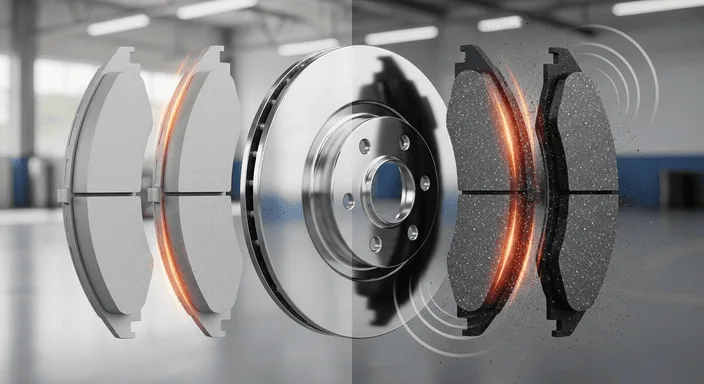
Welcome to your complete guide to one of the most common questions among car owners in Saudi Arabia: ceramic vs metallic brake pads, how they differ, and which one suits your car. If you care about your car's safety and want the best performance from your braking system, this guide gives you what you need to make the right decision. It keeps things simple and fits your daily needs and driving style.
Brake pads play a key role in your car's safety system. There are many options, the main ones being ceramic and metallic, so choosing can be confusing. The main differences between the two types are in their composition, performance, durability, noise level, effect on the rotors, and even long-term cost.
What are ceramic brake pads?
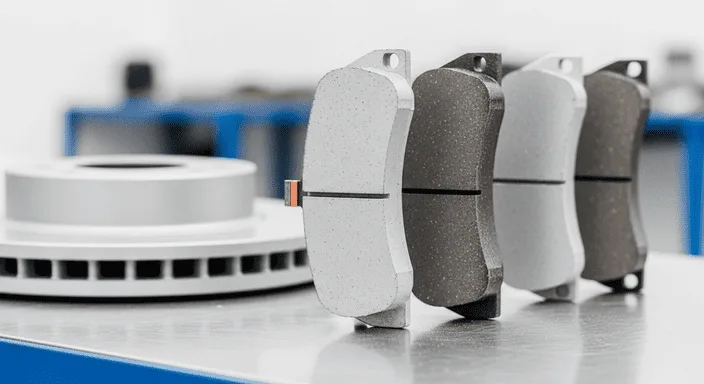
Ceramic brake pads are made from ceramic fibers mixed with other materials, such as copper, in carefully set proportions. This technology was developed to give a quiet drive and reduce brake dust. Ceramic pads are known for their long life and steady performance in daily driving and on highways.
Advantages of ceramic brake pads
- Quiet operation: they do not make annoying squealing sounds and are almost silent in most conditions.
- Low brake dust: they produce very little dust, which helps keep your wheels clean.
- Long life: their service life is long, sometimes up to twice that of traditional metallic pads.
- Temperature stability: their performance does not change much with temperature, and they stay effective even in the hot weather of the Kingdom.
- Less rotor wear: they are gentle on brake rotors and reduce the need for regular rotor maintenance.
Disadvantages of ceramic brake pads
- Higher price: they usually cost more than metallic pads, so you need a bigger budget at the first purchase.
- Lower performance in harsh conditions: in racing or heavy hauling their efficiency can drop, and metallic pads are the better choice there.
- Faster wear than metallic pads under heavy stress: although they last long in most uses, they can wear faster under constant, hard braking.
- Limited suitability for high performance or heavy trucks: they are not recommended if you need strong braking in repeated extreme conditions.
What are metallic (semi-metallic) brake pads?
Metallic brake pads are made from a metal mix that includes iron or steel, copper and other metals in precise proportions. This gives them high hardness and strong resistance to wear. These pads were designed for trucks, sports cars, and drivers who brake hard or drive aggressively.
Advantages of metallic brake pads
- Maximum heat tolerance: ideal for heavy use and driving in harsh conditions such as towing or high speeds.
- High durability: they last a long time under intensive use and handle repeated wear.
- Reasonable price: they usually cost less than ceramic pads and fit most budgets.
- Braking efficiency: they give effective stopping power, especially at high temperatures or under hard use.
- Effective in cold weather: they perform well even in cooler weather, compared with ceramic pads.
Disadvantages of metallic brake pads
- More noise: they can squeal when braking because of the metal rubbing against the rotor.
- More dust: they produce thick, dark dust, so you need to clean your wheels often.
- Strong effect on the rotor: the hard material sometimes wears the rotor quickly, so it needs to be replaced or resurfaced often.
- Less quiet and less comfortable: they are not the best choice if you like a quiet drive or own a luxury car.
Full comparison: ceramic vs metallic brake pads
- Daily performance: ceramic pads: excellent and quiet. Metallic pads: excellent in harsh conditions.
- Noise level: ceramic pads: very low. Metallic pads: medium to high.
- Dust on the wheels: ceramic pads: little and light. Metallic pads: thick and leaves wheels dirty.
- Rotor life: ceramic pads: longer. Metallic pads: the rotor may wear quickly.
- Price: ceramic pads: high. Metallic pads: much lower.
- Ideal use: ceramic pads: city and daily driving. Metallic pads: racing, towing, tough conditions.
Which type suits your car?
The best choice depends on several factors:
- Your driving style: if you drive calmly in the city and care about passenger comfort and low maintenance, ceramic pads suit you. If you carry heavy loads, drive in high areas, or often travel between cities at high speed, metallic pads may suit you better.
- Your car type: ceramic pads are preferred for economy, family and luxury cars. Metallic pads are recommended for trucks, sports cars and transport vehicles.
- Your budget: budget matters. Ceramic pads cost more at first, but they last longer and need less maintenance.
Read also: Fuel pumps and their types: a full guide to the most common pumps
Tips before you buy
- Ask a brake specialist: go over your needs with an experienced technician who can suggest the right option.
- Keep up with regular maintenance: whatever you choose, check the pads and rotors regularly to stay safe.
- Choose trusted brands: quality matters more than price, and counterfeits harm both performance and safety.
- Consider your driving conditions: driving in mountains, on dunes or on rough roads needs different pads than city driving.
Conclusion
The choice between ceramic and metallic brake pads is yours as a car owner in the Kingdom. It depends on your driving style, your car's needs and your budget. Always remember that what matters most is driving safely and reducing risk on the road by choosing brake pads that suit your car and your expectations. Keep up with maintenance and talk to professionals before every replacement.
With an informed choice, you will drive more safely and comfortably, whether you pick ceramic for its quietness and cleanliness or metallic for its strength and endurance. What matters is that you drive with confidence on the Kingdom's roads and keep yourself, your family and your loved ones safe. For more about the service, visit car maintenance service in Saudi Arabia and see the latest offers on the Speero website.
Frequently asked questions
1. Which is better: ceramic or metallic brake pads?
No single option is always "better". Ceramic pads are better for calm daily driving, while metallic pads are ideal for aggressive driving and trucks. The choice depends on your driving style and your car type.
2. Why are ceramic brake pads more expensive than metallic ones?
Ceramic pads cost more because of advanced manufacturing and better materials. They save money in the long run thanks to their longer life and less rotor maintenance.
3. Do ceramic brake pads make noise?
No. Ceramic pads are known as the quietest of all. They absorb vibration and reduce noise, unlike metallic pads, which may squeal.
4. How long do ceramic brake pads last compared with metallic ones?
Ceramic pads usually last 50-80 thousand km, while metallic pads last 40-60 thousand km. This depends on driving style and road conditions.
5. Do ceramic pads affect the brake rotors?
Ceramic pads are gentler on the rotors and extend their life, while metallic pads may wear the rotors faster because they are harder.
6. Which is better in hot weather: ceramic or metallic?
Metallic pads are better at handling and dissipating high heat. Ceramic pads work well in hot weather but may lose some efficiency at extreme temperatures.
7. Can ceramic pads be fitted to all cars?
Yes, ceramic pads can be fitted to most modern cars. Check your car's manual or ask an expert to confirm compatibility.
8. What is the difference in brake dust between the two types?
Ceramic pads produce much less dust, and it is lighter in color. Metallic pads produce thick, dark dust, so you need to clean the wheels often.
9. Which is better for trucks and heavy vehicles?
Metallic pads are best for trucks and heavy vehicles because they handle heavy loads and give stronger braking.
10. When should brake pads be replaced?
When you hear squealing, feel pulsing in the pedal, or a visual check shows the pad is thinner than 6 mm.
11. Do ceramic pads work well in cold weather?
Metallic pads work more efficiently in cold weather, while ceramic pads may lose a little efficiency at very low temperatures.
12. Which is more environmentally friendly?
Ceramic pads are more environmentally friendly because they produce less dust and do not contain harmful metals such as copper.
13. Can you mix different pad types on the same car?
Mixing different pad types on the same axle is not recommended. The pads must match to give balanced and safe braking.
14. How does driving style affect pad life?
Aggressive driving and sudden braking cut pad life by 30-50%, while calm driving extends it.
15. Which is better for sports and high-performance cars?
Metallic pads are preferred for sports and high-performance cars because they handle high heat and give superior braking power.
Related articles
 Brakes
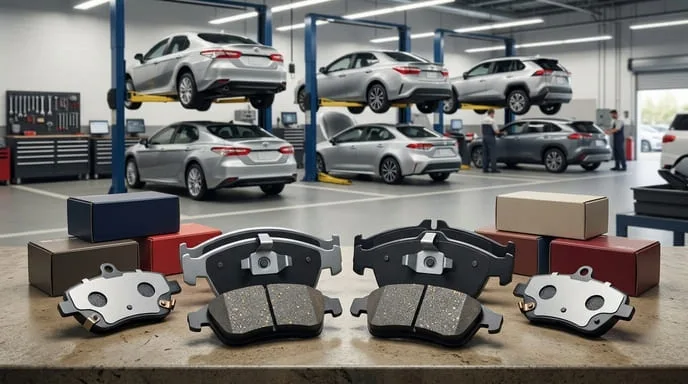
Toyota Brake Pad Prices: How to Choose the Right Pads for Your Car
Toyota brake pad prices vary by model, year, pad type and position. See what affects the price and how to choose the right Toyota pads for your car.
5 min readBrakes
Common Car Brake Problems and the Best Ways to Prevent Them
Maintain your car's brakes to avoid brake problems. Check the pads, fluid and lines regularly to stay safe and drive more efficiently with Speero.
12 min read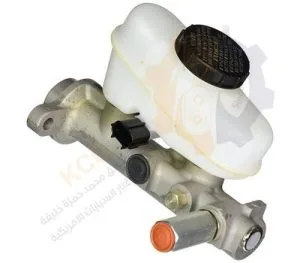 Brakes
Brake Box: 4 Signs of Damage to Watch For
Learn how the brake box converts hydraulic pressure and distributes it across the brakes, plus 4 signs of damage that can affect safety.
4 min read