
Engine
A Complete Guide to Choosing Types of Engine Oil
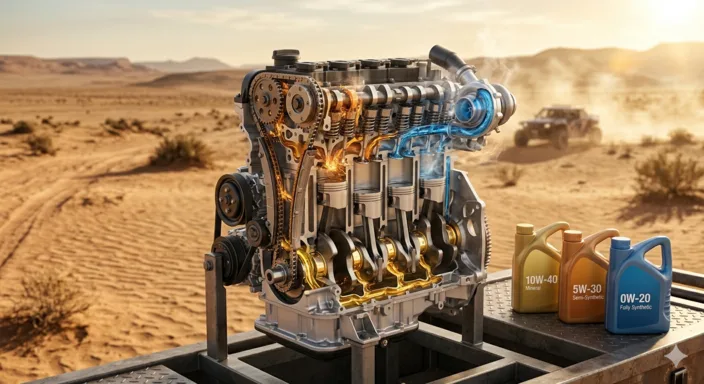
Choosing the right oil is one of the most important steps to keep your engine performing well and extend its service life. Oil does more than lubricate. It also helps with cooling, reduces friction and improves the car's overall efficiency. With so many types of engine oil on the market, every car owner needs to know the difference between them, when to use each type, and which brand suits them best.
This guide sets out, in a clear and simple way, everything you need to know about oil types, viscosity grades, the best-known global and local brands, and the best choices by car type and driving conditions in Saudi Arabia.
Why does choosing the right oil matter?
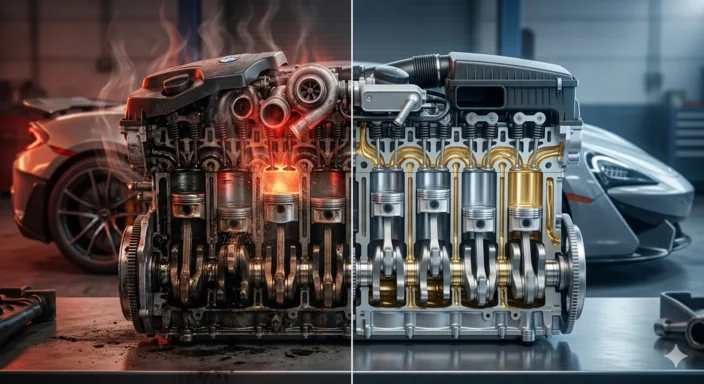
Engine oil directly affects the engine's health and its daily performance. The wrong oil can lead to poor lubrication, higher temperatures, higher fuel consumption and faster wear of internal parts. Good oil keeps the engine running smoothly and gives you steadier, safer driving.
The varied climate in Saudi Arabia, and the high temperatures in many regions, make the choice of oil even more important. Some oils are designed to handle high heat, while others suit cold or mild weather.
Types of engine oil
Car oils fall into three main categories, and each has its own properties and uses. Knowing the difference helps you choose the oil that suits your car instead of relying on price alone.
Mineral oils
Mineral oils are extracted from crude oil and then refined. They are one of the oldest types and the most common in older cars or cars with light use. They cost less, but they need changing more often than the other types.
This type may suit some older cars that do not run under high stress or in harsh conditions. It is usually not the best choice for modern cars with advanced technology.
Semi-synthetic oils
Semi-synthetic oils are a middle ground between mineral oils and fully synthetic oils. They combine properties of both, giving better protection than mineral oils at a lower cost than fully synthetic oils.
This type suits many modern cars used every day in normal driving. It is a balanced choice in terms of performance and price.
Fully synthetic oils
Fully synthetic oils are made with advanced technology that gives them a higher tolerance for heat, cold and pressure. They are often the best in terms of protection, lifespan and efficiency. They also help improve fuel consumption and reduce deposits.
This type is recommended for modern cars, sports cars, and engines that run in tough operating conditions or over long distances.
Viscosity grades and what they mean
On an oil container you will find numbers such as 0W-20, 5W-30 or 10W-40. These numbers are not random. They are the viscosity grade, which determines how the oil behaves at different temperatures.
The first number, before the letter W, refers to the oil's performance in cold weather. The lower it is, the better the oil flows at a cold morning start. The second number refers to the oil's ability to keep its viscosity at high temperatures.
Low-viscosity oils
Examples are 0W-20 and 5W-30. They are better suited to cold regions, or to cars that need a light oil for smooth starting and less friction. They are also a good choice for modern cars designed to run on light oils.
High-viscosity oils
Examples are 10W-40, 15W-40 and 20W-50. They are better suited to hot weather or to engines that work in demanding conditions. In Saudi Arabia, many drivers prefer this type for some cars, especially if the car is old, is used for long distances, or carries heavy loads.
How do you choose the right oil for your car?
Choosing oil is not random. It depends on several key factors. The most important rule is to check the car's manual, because it is the most accurate source for the specifications that suit the engine.
Check the car's manual
The owner's manual shows you the recommended viscosity grade, the oil type and the right rating for the engine. This step is essential because it stops you from using an oil that could damage your car or shorten the engine's life.
Consider your driving conditions
If you drive in hot weather, as in most regions of Saudi Arabia, you may need an oil that withstands high heat and keeps its performance for longer. If you only drive in the city, the priority may differ depending on the car type and the engine's condition.
Choose a trusted brand
The brand matters a great deal. Good oil is not measured by price alone, but by its specifications, quality and reliability. Genuine, approved oils protect the engine, while counterfeit oils can cause serious damage over time.
Stick to the change schedule
Even the best oils lose their effectiveness with time and use. Stick to the oil change intervals recommended by the manufacturer, and take into account the oil type, your driving style and the engine's condition.
The best car oil brands
Many well-known global and local companies offer reliable products that meet the needs of different types of cars. Below are the most popular and widely trusted names on the market.
Well-known global brands
Among the best-known global brands of car oil:
- Total.
- Toyota.
- Valvoline.
- Liqui Moly.
- Mannol.
- Castrol.
- Shell Helix.
- Mobil.
- Reliance.
- Pennzoil.
- Yamaha.
These brands offer a range of oil grades to suit family cars, sports cars, 4x4s and even heavy vehicles.
Oils common in Saudi Arabia
The Saudi market includes several strong brands that suit the climate and daily use. The most prominent are:
- Saudi Aramco.
- Petromin.
- Toyota.
- Total.
- Mobil.
- Castrol.
- Shell.
Aramco is one of the most prominent local names, and Petromin is widely popular thanks to its reach and its full range of services across the Kingdom.
The best oil by car type
There is no single answer that fits every car, because each class of vehicle has different needs. It is better to choose oil according to the country of manufacture, the engine type and the operating conditions.
Japanese cars
Japanese cars such as Toyota and Honda often need high-quality oils that keep the engine efficient and support fuel economy. Common choices include:
- Toyota 0W-20.
- Toyota 5W-30.
- Shell Helix.
- Mobil 1 SAE 5W-30.
- Castrol GTX.
American cars
American cars such as Ford and Chevrolet usually need oils that can handle the engine's power and varied operating conditions. Suitable choices include:
- Valvoline.
- Mobil 1 Extended Performance.
- Castrol GTX Magnatec.
German cars
German cars are known for their precise engineering and their need for high-performance oils. Top choices include:
- Mobil 1 ESP Formula.
- Shell Helix Ultra.
- Castrol Edge.
Korean cars
Korean cars such as Hyundai and Kia need oils that support fuel efficiency and protect the engine in daily use. The best suited are:
- Mobil 1 FS.
- Castrol GTX.
- Shell Helix HX7.
The best oils by engine type
The engine type plays a big role in choosing the right oil, because each engine works differently and handles different conditions.
Small and mid-size petrol engines
These usually suit light to medium-viscosity oils such as 5W-30 or 10W-40, because they help the oil flow easily and keep performance steady across different temperatures.
Diesel engines
Diesel engines usually need tougher oils such as 15W-40, because they run under higher pressure and heat and need strong protection against wear and deposits.
Turbocharged engines
These engines need special oils that withstand high heat and constant pressure while keeping lubrication going for a long time. Here, high quality is a key factor.
Older cars or four-wheel drive
In older cars or four-wheel-drive cars, a heavy oil such as 20W-50 or 15W-40 may be the best choice. It helps reduce leaks and keeps oil pressure better in harsh conditions.
Where should you change your oil?
Choosing good oil is not enough on its own. It should be changed at a trusted place that guarantees the genuine product and professional service. In Saudi Arabia, many centres offer oil changes and quick maintenance, and it is best to choose a well-known centre with a good reputation.
It is also always best to confirm the type of oil used and keep a maintenance record, because this helps you track the engine's condition more accurately.
Important tips before you buy
Before you buy oil, keep these key points in mind:
- Do not rely on price alone.
- Make sure the oil matches the car's manual.
- Choose a genuine product from a trusted source.
- Pay attention to the viscosity rating and specifications.
- Do not mix different types of oil unless the car's manual allows it.
- Check the oil level regularly.
These simple steps can save you many breakdowns and costs later.
Read also: What is the difference between a diesel and a petrol engine?
Conclusion
In the end, choosing the right type of car oil is a key step, as important as any other part of car maintenance, because good oil protects the engine, keeps it efficient, extends its working life and gives you more comfortable, worry-free driving. With so many options on the Saudi market, understanding the differences between mineral, semi-synthetic and synthetic oils, knowing the right viscosity grade, and relying on trusted brands all help you make the best decision for your car.
If you want to keep your car's engine in the best condition, always start from the right source: the car's manual, an approved product and a trusted service centre. The right choice today means fewer breakdowns and better performance tomorrow.
Frequently asked questions
What is the best car oil in Saudi Arabia?
The best oil depends on the car, but common and trusted names in Saudi Arabia include Aramco, Petromin, Toyota, Shell and Mobil.
How do I know which oil is right for my car?
The most accurate way is to check the car's manual, where the manufacturer specifies the right viscosity grade and rating.
Is synthetic oil better than mineral oil?
Yes, synthetic oil is usually better in terms of protection, durability and lifespan, but it may not be necessary for every car.
How often should I change my car's oil?
It depends on the oil type, the car's condition and your driving style, but changes usually fall within the interval set by the manufacturer.
Can I use a different oil from the recommended one?
It is better not to, unless the alternative oil matches the specifications recommended in the car's manual.
Related articles
Engine
What Causes Engine Vibration in a Car
Learn what causes car engine vibration, from spark plugs and the fuel system to engine mounts, and how to diagnose and fix it before it gets worse.
7 min readEngine
Engine Oil Leaking From Underneath Car
An engine oil leak from underneath can damage the engine and raise repair costs. Learn the signs, common spots, safe checks and quick fixes.
4 min readEngine
Diesel vs petrol engine: what is the difference?
Learn how diesel and petrol engines differ in performance, fuel consumption, torque and routine maintenance, and which one suits your car and daily driving.
6 min read