
Filters
Car Filter Replacement Steps: When and Why to Change Them
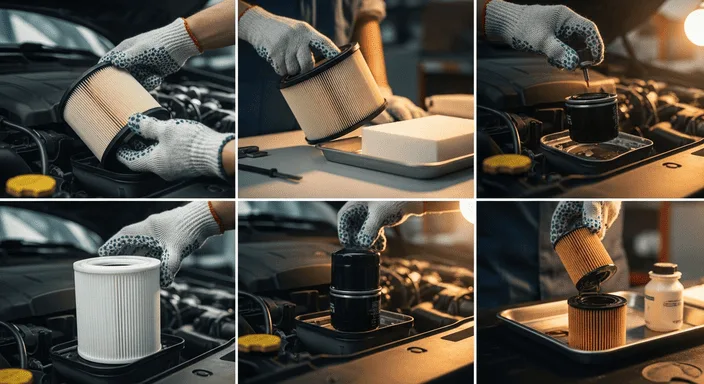
Your car has a set of filters that work quietly to protect it from dirt and impurities, which makes car filter replacement important. They make sure clean air, fuel and oil reach the engine and the other systems. In short, these filters clean the fluids and air that enter the car or circulate inside it. The internal parts then work in a clean environment, which reduces friction and wear and keeps performance steady.
The better the condition of the filters, the cleaner the air, oil and fuel the engine gets. Clean air, oil free of deposits and pure fuel show in the car's power, smooth acceleration and lower fuel consumption. If you neglect changing your car filters, the built-up dirt blocks the flow of air or fluids. The engine strains, breakdowns increase, and maintenance costs rise over time.
Types of Car Filters and What Each One Does
1. Air Filter
The air filter is the engine's breathing gateway. It cleans the air entering the combustion chamber of dust and fine sand, which are common in the Gulf climate and on desert roads. This filter stops solid particles that can scratch the cylinders and valves. It also helps form a balanced air-fuel mixture for ideal combustion, which means more engine power and lower emissions.
2. Oil Filter
Engine oil circulates constantly inside the engine to lubricate the metal parts and protect them from friction and wear. During this cycle, metal and carbon deposits and impurities form. The oil filter traps these deposits and stops them from returning to the oil passages, so the oil stays clean and can do its job of cooling and lubricating. A clean oil filter extends engine life and lowers the chance of sludge that can block the narrow internal passages.
3. Fuel Filter
The fuel that reaches your tank may carry impurities such as dirt, rust particles or small amounts of water, especially since fuel quality varies from one station to another. The fuel filter is the first line of defence before petrol or diesel reaches the engine's injection system. It cleans the fuel and protects the injectors and fuel pump from clogging or damage. Any fault in this filter shows quickly as engine stuttering or a loss of torque.
4. Cabin Filter (AC Filter)
This filter is responsible for the quality of the air you and your passengers breathe inside the car. It cleans the air coming in through the AC system of dust, exhaust fumes and unpleasant smells. In Saudi Arabia's dusty, hot weather, the cabin filter plays an important role in reducing dust inside the car and keeping the cabin healthier, especially for people with allergies or breathing problems.
5. Transmission Filter (in Automatic Cars)
Some automatic transmissions have a dedicated filter that cleans the transmission oil of particles produced by wear of the internal parts. This filter keeps the transmission oil clean for as long as possible. That keeps gear shifts smooth and protects the transmission components from early wear and damage.
When Should You Change Your Car Filters?
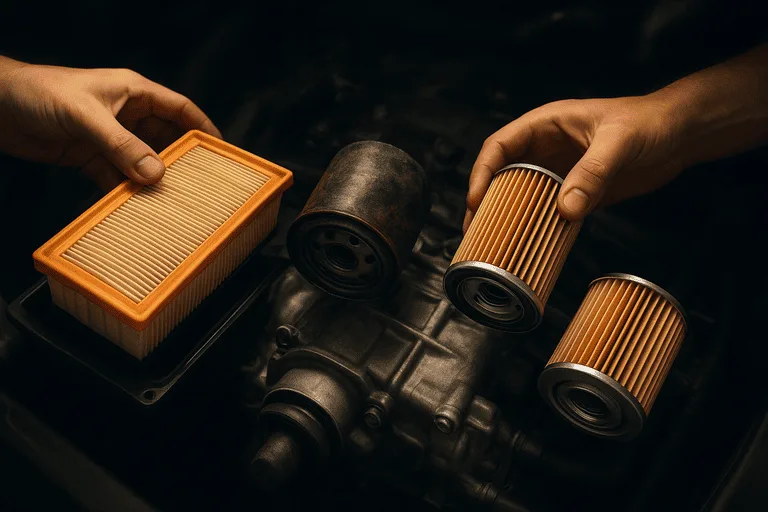
Filter change intervals can differ from one car to another depending on the car type, how it is used and the surrounding environment. There are general guidelines you can rely on, but always check the owner's manual or the dealer's recommendation.
Air Filter
Most manufacturers recommend replacing the air filter every 12000 to 15000 miles, or at least once a year. If you drive a lot in dusty or heavily polluted areas, you may need to replace it more often.
Cabin Air Filter
This filter is usually recommended to be changed every 15000 to 20000 miles, depending on driving conditions. If you notice bad smells or weaker airflow from the vents, it is time to replace it.
Oil Filter
Replace the oil filter with every oil change. In most cars, that is every 5000 to 10000 miles, depending on the type of oil used and the manufacturer's recommendations.
Fuel Filter
Fuel filters usually last between 20000 and 40000 miles, but the exact interval varies by car make and model. If you notice weaker engine performance or difficulty starting your car, a clogged fuel filter may be the cause.
Car Filter Replacement Steps
Important: If you do not have enough experience or the right tools, it is always better to have these steps done at a trusted service centre. Mistakes when changing car filters can cause leaks or damage to other parts.
1. Steps to Change the Air Filter
- 1Open the bonnet and find the air filter box (usually on the side of the engine, connected to the air intake duct).
- 1Gently undo the clips or screws holding the box cover, then lift the cover.
- 1Pull out the old filter and note which way it was fitted.
- 1Clean the inside of the housing with a dry cloth or compressed air to remove trapped dust.
- 1Fit the new filter facing the same correct direction, then close the cover and refasten the clips or screws firmly.
2. Steps to Change the Oil Filter
- 1Park the car on a level surface, switch off the engine and let it cool completely.
- 1Raise the car (if needed) using a safe jack, and place a container under the oil pan to collect the old oil.
- 1Open the drain plug and let all the oil drain out, then close it again.
- 1Use a dedicated filter wrench to carefully remove the old oil filter.
- 1Coat the rim (gasket) of the new filter with a little new oil to improve the seal and make future removal easier.
- 1Fit the new filter firmly, then add the amount of new oil recommended in the car manual. Check the oil level after running the engine for a few seconds.
3. Steps to Change the Fuel Filter
- 1Disconnect the negative battery terminal to reduce the risk of sparks.
- 1Locate the fuel filter (it may be under the car near the fuel tank, or in the engine bay, depending on the car type).
- 1Use the right tools to disconnect the fuel line fittings, paying attention to the inlet and outlet direction.
- 1Remove the old filter, then fit the new filter following the direction of the arrow on the filter body.
- 1Refit the connections firmly, then start the engine and check that there is no leak around the filter.
4. Steps to Change the Cabin Filter (AC Filter)
- 1The cabin filter is often behind the glove box, so open the glove box and gently release its clips until it drops down.
- 1You will find a small cover for the filter housing. Open it and pull the old filter out carefully so the dust does not scatter.
- 1Fit the new filter, following the airflow arrow, then close the cover and put the glove box back in place.
5. Steps to Change the Transmission Filter (Automatic)
The transmission filter usually needs technical experience and special tools. The job involves:
- Draining the old transmission oil from the pan.
- Removing the pan, cleaning it fully and replacing the gasket if needed.
- Replacing the internal transmission filter and refitting the pan, tightening the bolts to the correct torque.
- Refilling the transmission oil to the specification and quantity set by the manufacturer, then checking the oil level with the engine running.
You can easily search for genuine or aftermarket filters and spare parts through Best Hyundai spare parts store in Saudi Arabia - Toyota spare parts in Saudi Arabia. Speero has a large database, with fast delivery and responsive support inside the Kingdom.
Tips to Make Your Car Filters Last Longer
- Checking the filters at every scheduled service helps you spot clogging early, before it turns into an engine or fuel system problem.
- Do not delay changing your car filters once they reach the end of their service life. A delay puts extra load on the pump, engine or compressor and shortens their life.
- Avoid fake and cheap filters. The price difference may look small, but it can later turn into a large bill for engine or transmission repairs.
- Avoid very dusty dirt roads as much as possible, or drive slowly on them, especially if your air filter is not new.
- Before fitting any new filter, clean its housing of dust and deposits so the filter works at full capacity.
- If you notice weak acceleration, an unexplained rise in fuel consumption or strange smells inside the car, check the filters first.
- Parking in a closed or shaded spot reduces exposure to dust and humidity, which helps extend the life of the filters and other rubber parts.
Why Is It Important to Change Your Car Filters Regularly?
Changing your car filters is not just a routine task the service centre asks for. It is a direct investment in engine health, driving comfort and the car's resale value. Here are the main benefits:
- Engine protection: the air filter and oil filter stop dust and deposits from entering the internal parts. This reduces friction, prevents fine scratches and extends the engine's service life.
- Better fuel consumption: when the air and fuel are clean, combustion is more efficient. That means more power with less petrol or diesel.
- Smoother performance: clean filters allow proper flow of air, fuel and oil, so the engine works without extra effort and the transmission and acceleration respond better.
- Fewer sudden breakdowns: clogged filters can cause the engine to stall suddenly, the fuel pump to fail or poor gear shifts. All of these are costly and frustrating problems.
- Cleaner cabin air: a clean AC filter keeps the cabin healthier and more comfortable. This matters most in hot weather, when drivers rely on the AC for long periods.
Looking after your car's filters is one of the simplest and most important steps to keep your car efficient. Whether it is the oil filter, air filter, fuel filter or cabin filter, regular filter maintenance saves you money and effort in the long run. If you are unsure about your car's filter types or when to replace them, ask a specialist technician. Cleaning a filter today can save you expensive repairs tomorrow.
Book your appointment with Speero today to have your car filter replaced professionally. Keep your car efficient and reliable.
Frequently Asked Questions
1. How often should I change my car's air filter?
This question tops the list of most searched questions. People want to know the exact interval for changing the air filter, and the answer ranges between 12,000 and 70,000 kilometres depending on driving and road conditions.
2. How many filters does a car have?
A very common question: people want to know how many different filters a car has and what each one does.
3. Do I need to change the oil filter every time I change the oil?
A frequent question, because many people do not know how changing the oil and changing the filter are related.
4. Does a damaged air filter increase fuel consumption?
This question comes from worry about financial loss. People want to confirm whether a dirty filter increases petrol consumption.
5. How do you clean a car air filter?
Some reusable air filters can be cleaned with water or a special cleaning solution. However, most standard paper filters should be replaced rather than cleaned.
Related articles
Filters
Do I need to change the oil filter with every oil change?
Is changing the oil filter necessary with every oil change? Learn why it matters, when to replace it, and how an old filter hurts engine performance.
5 min read Filters
Air Conditioner Filter: 5 Signs of Damage and How to Maintain it
Learn 5 signs of car air conditioner filter damage and how proper maintenance helps keep the system effective and the cabin air clean.
4 min read Filters
4 signs indicating air filter damage
Learn why the air filter is essential for purifying air entering the engine, supporting engine health and maintaining optimal performance.
4 min read