
Car care
Signs Car Parts Need Replacing: Which Mean Immediate Replacement?
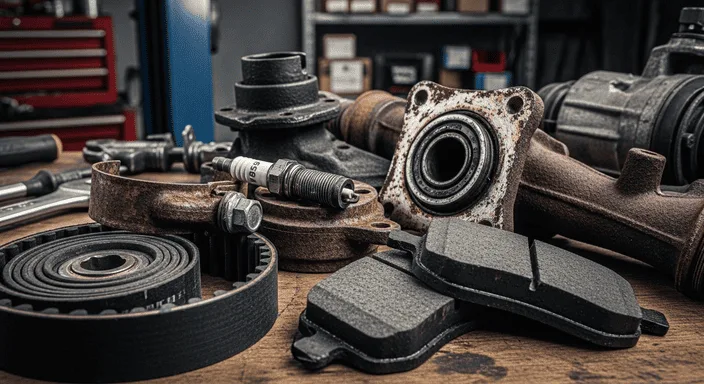
Spare parts are essential to keeping a car performing well and safe. Over time and with heavy use, some parts start to wear or fail. When you see the signs car parts need replacing, act right away to avoid bigger breakdowns or risks while driving. This is especially true in Saudi Arabia, where high temperatures and frequent driving shorten the life of car parts faster than normal.
This guide covers the signs of worn parts that call for immediate replacement, the recommended intervals for changing them, and what happens to performance and safety when you ignore these signs.
Main signs car parts need replacing
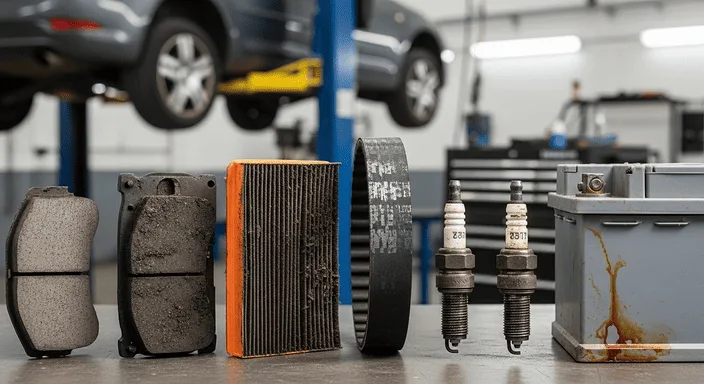
After your car's consumable parts have been in use for a while, you need to keep track of when to change them so your car does not get damaged. So when should you replace car parts, and how do you know the right time? Here are some signs that your car's consumable parts need changing:
Engine oil and oil filter
If the oil is dark or sludgy, it needs changing. If you have to top up the oil often, that is a sign of a leak or wear.
Brake pads
A squealing sound can mean the pads are worn and need changing. If you feel the brake pedal vibrate when you press it, that also points to damaged pads.
Tires
Uneven wear can be a sign of balance or alignment problems. If the tires need inflating often, they may need replacing. Cracks or bulges show that a tire is damaged and needs replacing.
Battery
If the engine is hard to start because the battery is weak, the battery may need changing. Signs of corrosion, such as rust or leaks around the battery, are another warning.
Air filter
A dirty air filter can hurt fuel efficiency. It can also change how the engine performs, causing hesitation or a loss of power.
Spark plugs
Worn spark plugs can make the engine hard to start. Higher exhaust emissions can also be a sign of incomplete combustion.
Engine belt (timing belt)
A squealing sound means the belt is worn and needs changing. Visible cracks or wear are also signs that the belt has reached the end of its life.
Cooling system
A coolant leak or a change in the coolant's color means you need to inspect the system and replace any damaged parts. It can also be a sign of a damaged radiator or cooling hoses.
Shock absorbers
If you feel the car shake when driving on rough roads, the shock absorbers may need replacing. An oil leak can also be a sign of damaged shock absorbers.
Lights
Bulbs that do not work or give weak light need replacing so you can see well while driving.
Recommended intervals for replacing parts
- Tires: recommended interval every 50,000 to 60,000 km. Notes: depends on tire type and quality
- Engine oil and oil filter: recommended interval every 5,000 to 10,000 km. Notes: depends on oil type
- Air filter: recommended interval every 15,000 to 20,000 km. Notes: affected by dusty conditions
- Radiator coolant: recommended interval every 3 to 5 years. Notes: regular checks are essential
- Brake fluid: recommended interval every 5 years. Notes: loses its properties under pressure and heat
- Brake pads: recommended interval every 30,000 to 60,000 km. Notes: depends on driving style
- Transmission fluid (gearbox oil): recommended interval every 60,000 to 100,000 km. Notes: changing it on schedule is essential
Warning signs that need immediate repair
Your car is a key part of your daily life, whether you are commuting, running errands or carrying equipment for work. But when something goes wrong, it is easy to ignore small problems until they get worse and need expensive repairs. Catching problems early saves you time and money, and can prevent serious breakdowns. If you notice any of these warning signs, do not hesitate: your car or truck needs immediate repair before the problem gets worse.
1. Strange noises while driving
A car that suddenly starts making strange noises is trying to tell you something. Strange noises do not go away on their own. If your car makes an unusual sound, it is time to see a mechanic. Ignoring these noises can lead to a serious mechanical failure, so watch for the following:
- Squealing or grinding brakes: this often means the brake pads are worn or the rotors are damaged. Ignoring it can lead to complete brake failure.
- Knocking from the engine: a knocking or ticking sound can point to low oil, worn bearings or internal engine damage.
- Whining or humming from the transmission: this can point to low transmission fluid or failing gears, and both need immediate attention.
- Loud exhaust noise: if your exhaust suddenly gets louder, you may have a leaking muffler or a damaged catalytic converter.
2. Dashboard warning lights that stay on
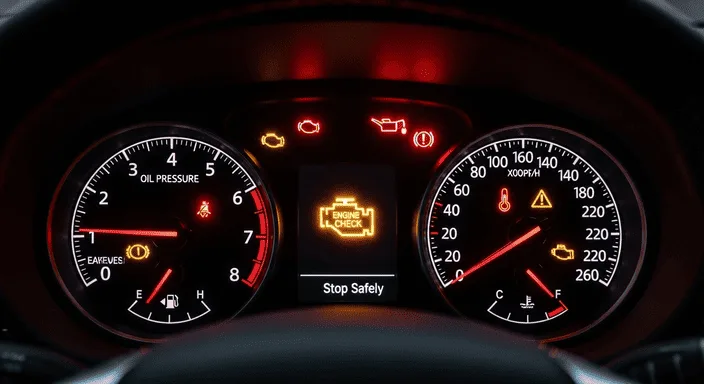
The warning lights on your car's dashboard are there for a good reason: they alert you when something is wrong. A flashing or steadily lit check engine light means the problem is serious, so do not wait. Have your car inspected right away. If a warning light stays on, do not ignore it. Some of the most serious ones are:
- Check engine light: this can mean anything from a loose fuel cap to a failing catalytic converter or an engine misfire.
- Oil pressure light: if this light comes on, stop immediately. Your engine is not getting enough oil, and continuing to drive can cause catastrophic damage.
- Battery light: this means the battery is not charging properly, and it could leave you stranded.
- Brake light or ABS light: a sign of low brake fluid, worn brakes or an ABS system failure.
3. Smoke or burning smells
If you see smoke coming from your engine or smell something burning, that is a serious warning sign. Stop your car right away and inspect it. Possible causes include:
- Burning oil: if your engine is leaking oil onto hot components, it can start a fire.
- Electrical burning smell: this can point to overheating wires or a short circuit, which is a serious fire risk.
- Burning rubber: this can come from a slipping serpentine belt or overheating brakes.
- White or blue smoke from the exhaust: this can mean a blown cylinder head gasket, oil burning inside the engine, or coolant leaking into the cylinders.
4. Rough or slipping transmission
The transmission is responsible for smoothly transferring power from the engine to the wheels. Transmission repairs can be expensive, but catching problems early can prevent a full transmission rebuild. If you run into any of these problems, the transmission needs urgent attention:
- Delayed gear changes: if your car hesitates or jerks when shifting gears, your transmission fluid may be low or contaminated.
- Slipping gears: if your car shifts gears unexpectedly or struggles to stay in gear, your transmission may be failing.
- Grinding or whining noises: a bad transmission can make loud grinding, whining or clicking noises.
- Fluid leaks: red or brown puddles under your car point to a transmission fluid leak, which can lead to complete failure if ignored.
5. Poor fuel economy
If your car is using fuel faster than usual, something is wrong. You may notice that you fill the tank more often than usual. At that point, it is time for a diagnostic check.
A sudden drop in fuel economy can be caused by:
Dirty air filters or fuel injectors, which reduce engine efficiency. Failing oxygen sensors, which make the engine use more fuel than it needs. Low tire pressure, which increases rolling resistance and fuel consumption. Worn spark plugs, which lead to incomplete fuel combustion.
6. Vibration, shaking or pulling while driving
A smooth ride is a healthy ride. If your car shakes, vibrates or pulls to one side, you may have a serious problem with the steering, suspension or brakes. So when you notice your car is unstable while driving, have it inspected right away: losing control on the road is a major safety risk. Here are some symptoms:
- Vibration when braking: this can mean warped brake rotors or worn brake pads.
- Steering wheel vibration at high speeds: this is often caused by unbalanced tires, poor wheel alignment or worn suspension parts.
- The car pulling to one side: this can point to a stuck brake caliper, misaligned wheels or uneven tire wear.
7. Fluid leaks under your car
Your car relies on several essential fluids to run properly. If you see puddles under your car, that is a sign of a significant leak. Leaking fluids do not fix themselves, so if you see a puddle under your car, it is time to have a mechanic inspect it.
- Red or light brown fluid: this is likely a power steering fluid or transmission fluid leak.
- Dark brown or black fluid: this may be an engine oil leak, which can lead to engine failure.
- Green, orange or pink fluid: this is coolant, and a leak can cause the engine to overheat.
- Clear or slightly yellow fluid: this may be brake fluid, which is dangerous if its level drops.
Read also: Car consumable parts: 18 parts you need to change
How ignoring part replacement affects performance and safety
Spare parts are essential to running a car efficiently and safely, and failing to replace them can have serious consequences for performance and safety. This section covers the different effects that can result from not replacing parts on time:
Poorer performance
When you ignore part replacement, the car's performance can drop noticeably. For example:
The engine: if the spark plugs or oil filter are not replaced, engine efficiency can drop and fuel consumption can rise.
Higher fuel consumption
Ignoring part replacement can also increase fuel consumption. An engine that has not been serviced or a damaged exhaust system can make the car run less efficiently, and that means it burns more fuel.
Driver and passenger safety
Safety is one of the most important parts of driving, and ignoring part replacement can lead to:
Brake failure and being unable to stop in time. Tire problems, which can increase the risk of skidding or a blowout while driving.
Effect on the suspension system
Parts such as springs and shock absorbers play an important role in the suspension system, and failing to replace them can make the ride less comfortable.
Higher costs in the long run
Ignoring part replacement can damage other parts of the car, and that means more expensive repairs.
Tips to look after your car and avoid worn parts
- Stick to the regular maintenance schedule.
- Use reliable genuine parts.
- Keep an eye on fluid levels (engine oil, radiator coolant, gearbox oil).
- Pay attention to any strange noise or sudden vibration while driving.
- Replace damaged parts on time.
To get genuine parts easily and at the best price in Saudi Arabia, you can visit Speero's page Car spare parts in Saudi Arabia.
Your car will usually warn you before something breaks. By paying attention to strange noises, warning lights, leaks, transmission problems and unusual smells, you can avoid expensive repairs and keep your car running safely. If you notice any of these warning signs, do not hesitate: have your car inspected right away.
Parts such as brakes, tires, the air filter, the battery and engine oil need special attention and regular maintenance. Neglecting them can lead to bigger problems and higher costs.
Frequently asked questions
What causes heavy equipment spare parts to wear out?
Worn parts usually result from heavy use, a lack of regular maintenance and poor-quality parts. Environmental factors such as high heat, dust and humidity in places like Saudi Arabia also make mechanical parts wear out faster.
When should I replace my brakes or tires?
Brakes should be checked every 20,000 to 30,000 km and replaced when you notice a squealing sound or weaker braking. Tires are best changed before they pass 60,000 km, or when cracks, bulges or uneven wear appear.
Do poor-quality spare parts affect insurance?
Yes. Using counterfeit or poor-quality parts can void your insurance policy in some cases, especially when it is proven that those non-genuine parts caused the breakdown or accident.
What is the most important part of car maintenance?
Changing the oil regularly is one of the most important maintenance tasks, because it keeps the engine running smoothly and prevents early wear. Checking fluids and tire pressure every month also helps maintain performance and fuel economy.
How often should I check my car's fluids?
It is recommended to check your car's fluids, such as brake fluid, gearbox oil and coolant, once a month or before long trips.
Can I maintain my car myself?
Some simple tasks, such as checking tire pressure and fluid levels, can be done at home. Mechanical faults or engine problems are best left to a qualified technician to make sure the repair is done safely.
What happens if I use the wrong engine oil?
Using oil that does not match your car's type or specifications can weaken engine performance, raise its temperature and increase internal wear. Always follow the specifications recommended in your car's manual.
Related articles
Car care
Car Parts Inspection and Installation: What a Pro Check Covers
Why regular parts inspection and fitting matters, and what a professional check covers to protect your car's safety and performance and prevent sudden faults.
12 min read Car care
Important Pre-Purchase Car Inspection Steps You Should Know
Learn how to inspect a used car yourself before buying, confirm it is sound, and avoid recurring faults and large, costly repairs later.
7 min read Car care
Difficulty Starting the Car in Cold Weather: 4 Ways to Fix the Problem
Learn why cars can be difficult to start in cold weather and discover four ways to fix the problem, saving time, effort, and embarrassment.
4 min read