
Engine
Causes of an Oil Smell in Car Cabins and How to Fix It
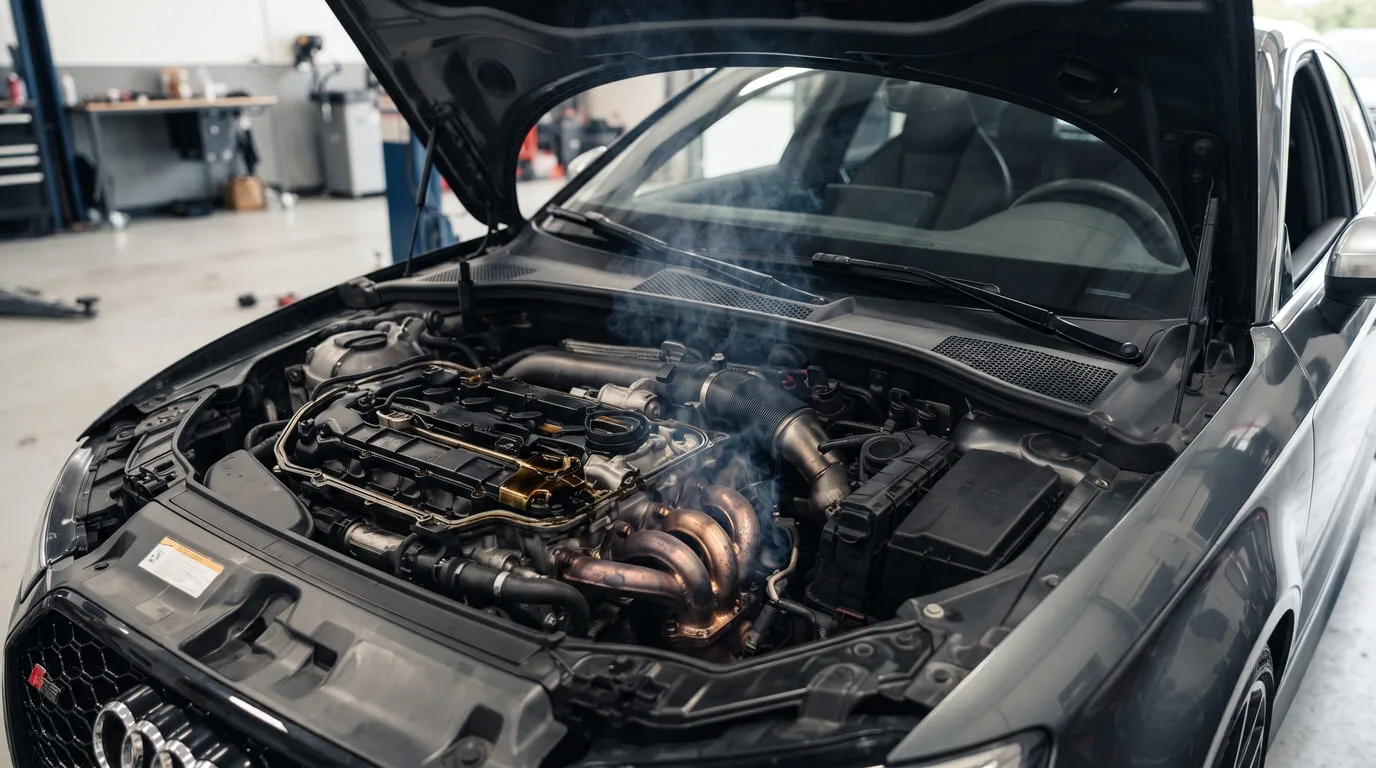
An oil smell in car cabins is an annoying problem and a warning sign you should not ignore. It usually points to a leak in the oil system or damage to some mechanical parts. Engine oil is one of the key elements in keeping the engine efficient and the car performing well overall. It lubricates the moving parts of the engine and reduces wear, which protects engine life and supports the car's performance.
Causes of an oil smell in car cabins
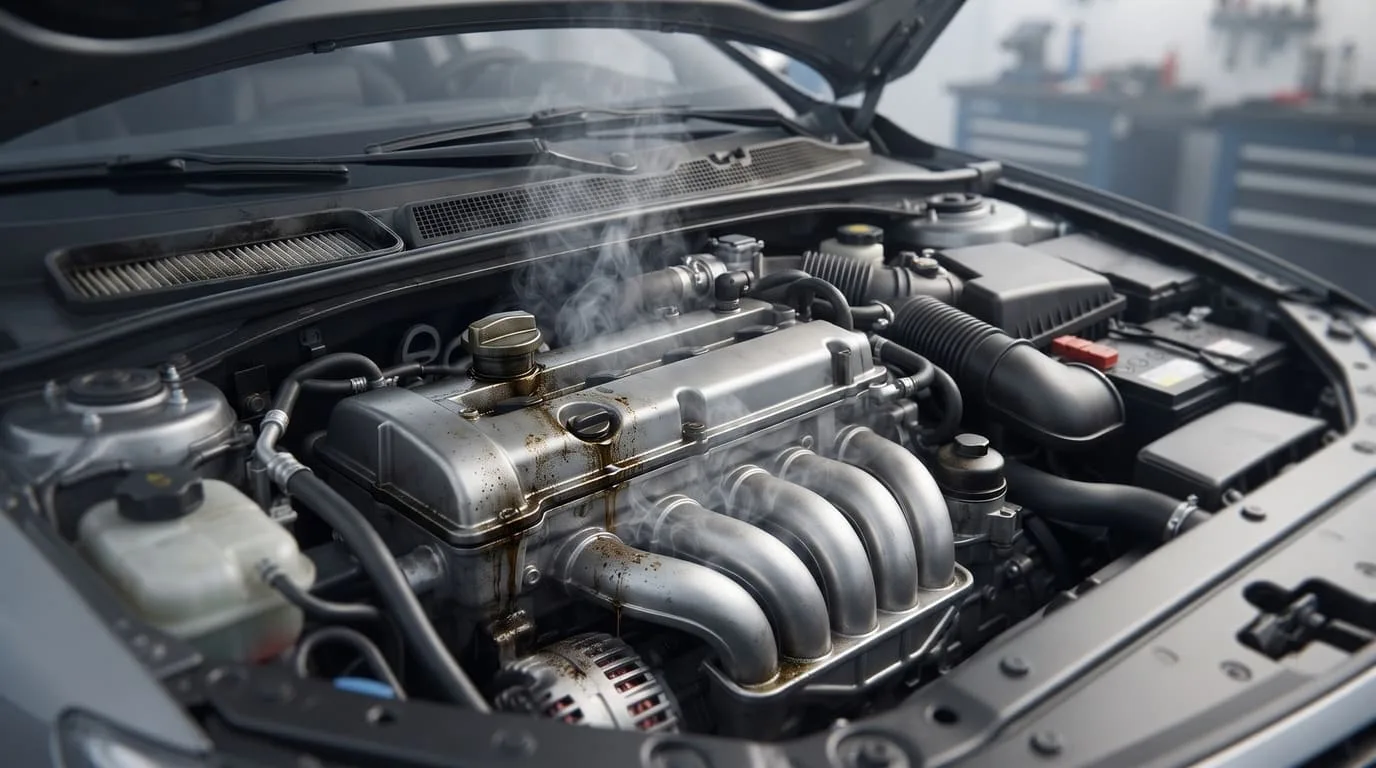
Several factors cause oil vapour or oil drops to leak and burn, then reach the air vents and the AC. The main causes are:
1. Oil leaking onto the valve cover and the exhaust
A damaged valve cover gasket is one of the most common causes. When the gasket dries out or cracks, oil starts to leak gradually and drops straight onto the hot exhaust manifold. The oil burns at once, and its pungent smell rises into the cabin.
2. Clogged crankcase ventilation valve
The PCV valve recirculates the gases produced by oil burning inside the engine. If this valve clogs or fails, the engine's internal pressure rises sharply. This pushes oil out through the seals and gaskets around it, and oil vapour rises until it reaches the inside of the car.
3. A mistake during an engine oil change
Often, the oil smell inside the car comes from carelessness during routine maintenance. If oil is spilled on the outside of the engine by mistake, or the filter cap is not tightened properly, this surface oil starts to burn as the engine heats up while you drive.
4. Oil filler cap or dipstick not closed tightly
If the oil filler cap or the oil dipstick is left loose, engine movement and internal pressure push oil mist and vapour into the engine bay. The AC fan draws them in and sends them straight into the cabin.
5. Damaged or dirty AC (cabin) filter
The AC filter absorbs fumes and bad smells from the engine bay. If oil and dust build up on it for a long time, it starts releasing a trapped burnt oil smell every time you turn on the AC.
The danger of ignoring an oil smell inside the car
Ignoring this smell can have serious consequences for your safety and for the car.
❖ Fire: Oil that keeps leaking onto hot exhaust parts can start a fire in the engine bay.
❖ Engine damage: Low oil reduces lubrication of the moving parts inside the engine, which causes friction and complete failure.
❖ Health risks: Breathing burnt oil fumes for long periods causes headaches, dizziness and breathing problems for passengers.
Read also A complete guide to choosing car oil types.
What should you do if you smell oil while driving?
❖ Open the windows at once: This ventilates the cabin and lowers the concentration of fumes and smells.
❖ Turn off the AC: Switch off the ventilation system so it stops drawing more hot air from the engine bay.
❖ Stop in a safe place: Turn off the engine and let it cool before opening the hood to inspect it.
❖ Get help from a qualified technician: If the leak is large or comes with smoke, it is best not to keep driving. Tow the car to a service centre.
When is an oil smell inside the car dangerous?
An oil smell inside the car is very dangerous and calls for an immediate stop in these cases:
❖ A sudden, fast drop in oil level: If the dipstick shows a sharp drop, or the red oil light comes on in the dashboard (instrument cluster), this points to a major leak. It can destroy the engine completely (engine knocking) within minutes, because its parts run dry of lubrication.
❖ Health symptoms while driving: If you feel dizzy, get a headache or feel nauseous, burnt oil fumes and harmful carbon monoxide are leaking at high concentration into the cabin through the ventilation system. This causes fume poisoning and puts you at risk of accidents.
❖ The smell comes with cylinder trouble or electrical sparks: If the smell comes with an abnormal engine sound or knocking, this points to severe dry metal-on-metal friction inside the engine cylinders, which is very dangerous.
Discover the causes of car oil pump failure and how to know it needs replacing to avoid poor lubrication and protect engine parts from wear.
How do you find the source of an oil leak and the smell yourself?
1. Quick visual inspection
❖ Oil filler cap and dipstick: Make sure the top oil cap is tightly closed and its rubber parts have no cracks. Check that the dipstick is fully seated.
❖ Valve cover gasket: Inspect the area around the top of the engine. If you see wet oil or hard black deposits around the edges, there is a leak dripping down toward the exhaust.
2. Check for smoke and heat contact
❖ Run the engine for a few minutes and shine a handheld flashlight on the exhaust manifold: look for oil drops falling on it, or light white smoke with a pungent smell. This is the direct source of the smell the AC draws in.
3. The cardboard test (find where the drops land)
❖ Place a large piece of stiff cardboard under the engine after parking the car overnight.
❖ In the morning, find where the stain is on the cardboard:
Stain at the front/middle: a leak from the front engine seal or the oil filter.
Stain at the rear (steering wheel side): a leak from the rear engine seal or the valve cover gasket.
4. Check the auxiliary mechanical parts
❖ Oil filter: Check under the filter by hand (using a tissue) for seepage caused by a loose filter or a damaged filter gasket.
❖ Ventilation valve: Shake the valve by hand. If you do not hear a rattle inside, it is clogged and is forcing oil to seep out from the weakest point in the engine.
The blog from Speero offers a complete guide to choosing car oil types.
Risks of ignoring an oil smell from the car engine
Some drivers think an oil smell inside the car is just a passing nuisance they can overlook for a while. In fact, this smell is an early warning of a mechanical fault that can lead to serious consequences and large financial losses. These risks include:
1. Health harm to the driver and passengers
The AC fan and the ventilation system draw burnt oil fumes from the engine bay and pass them straight into the cabin. Breathing these harmful gases and fumes for long periods causes health symptoms such as:
❖ Severe headaches and dizziness while driving.
❖ Irritated eyes and airways.
❖ Poor concentration, which raises the risk of traffic accidents.
2. Complete engine failure
Engine oil is essential for lubricating and cooling the cylinders and the moving parts inside. Ignoring the leak behind the burnt oil smell leads to a steady drop in oil level. With less lubrication, metal friction between the internal parts increases. This ends in complete engine failure, known as "engine knocking", which requires very expensive repairs.
3. Risk of fire in the engine bay
Oil that keeps leaking onto hot parts such as the exhaust is one of the biggest safety risks. These parts reach hundreds of degrees Celsius, which can ignite the built-up oil drops and start a sudden fire in the engine bay.
4. Damage to nearby rubber and electrical parts
Leaking oil does not only burn. It also spills onto the rubber seals, belts and electrical wires around the engine. Repeated exposure to oil makes these parts wear out and fail early, which causes more electrical and mechanical faults.
You can browse the car care offers and services available for various makes such as Toyota and Ford.
An oil smell inside the car cabin is not something to overlook or put off. It is a warning sign of a leak or a mechanical fault that needs quick action, not neglect. It helps to understand the different causes, from a damaged valve cover to a clogged crankcase ventilation valve.
Enough knowledge helps you act quickly and wisely before faults get worse and turn into very costly maintenance. Also, never underestimate the health risks of breathing petroleum fumes and harmful gases for long periods while driving.
Keep up with routine maintenance for your car's engine, and use genuine spare parts and the oils the manufacturer recommends. They are the first line and the strongest defence for protecting the engine and giving it the longest service life. Dealing quickly with your car's warning signs saves you a lot of time, effort and money, and keeps you driving safely on the road.
You can also visit Speero's car services and spare parts platform if you face an oil leak problem and need to replace car parts.
Frequently asked questions
What causes an oil smell in car cabins?
An oil smell in car cabins usually points to a leak in the oil system or damage to some mechanical parts. Common causes are a damaged valve cover gasket dripping oil onto the hot exhaust manifold, a clogged PCV valve, and oil spilled on the engine during an oil change.
Is an oil smell inside the car dangerous?
Yes. Oil that keeps leaking onto hot exhaust parts can start a fire in the engine bay, and low oil can cause complete engine failure. Stop at once if the oil level drops suddenly, the red oil light comes on, or you feel dizzy or get a headache while driving.
What should I do if I smell oil while driving?
Open the windows and turn off the AC, then stop in a safe place, turn off the engine and let it cool before opening the hood. If the leak is large or comes with smoke, do not keep driving. Tow the car to a service centre.
How can I find the source of an oil leak myself?
Make sure the oil filler cap and dipstick are tight, and check the valve cover gasket for wet oil or hard black deposits. You can also put cardboard under the engine overnight: a stain at the front or middle points to the front engine seal or the oil filter, and a stain at the rear points to the rear engine seal or the valve cover gasket.
Can a dirty AC filter cause an oil smell in the car?
Yes. If oil and dust build up on the AC (cabin) filter for a long time, it releases a trapped burnt oil smell every time you turn on the AC.
Related articles
 Engine
The Best Automatic Transmission Fluid Types for Your Car
The best automatic transmission fluid for your car: fluid types, symptoms and causes of damage, and key tips to keep your transmission working well.
6 min readEngine
When Does a Transmission Need a Rebuild? Key Signs Not to Ignore
When does a transmission need a rebuild? Learn the main signs, like delayed shifts, jerking, slipping and odd noises, plus common causes and prevention tips.
7 min read Engine
Automatic Transmission Fluid: Types and When to Change It
Learn about automatic transmission fluid: its types, signs of wear and when to change it, plus tips to protect your transmission and avoid costly repairs.
8 min read