
Engine
Automatic Transmission Fluid: Types and When to Change It
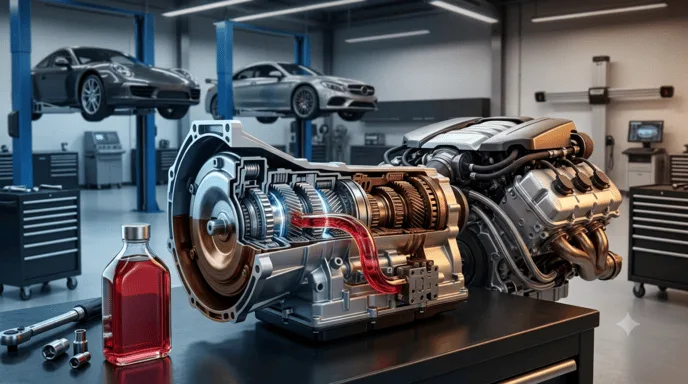
Automatic transmission fluid is one of the most important fluids a car relies on. It keeps the transmission working efficiently and the gear shifts smooth while you drive. With constant use, the fluid gradually loses some of its properties. This can affect how the transmission performs and make faults more likely.
Knowing the types of automatic transmission fluid and understanding when to change automatic transmission fluid help you keep the car performing well and extend the life of the transmission. This guide covers the key information you need to choose the right fluid and recognise the signs that it needs changing.
What is automatic transmission fluid and why does it matter?
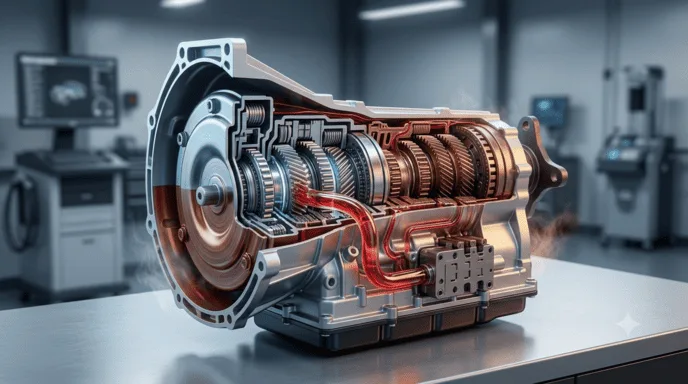
Automatic transmission fluid is a fluid made to operate and protect an automatic transmission. It plays a key role in transferring power between the transmission's components and reducing friction between them. It also helps cool the internal parts and protect them from wear caused by constant use. This helps keep the system efficient and performing well over the long term.
How does automatic transmission fluid work?
Automatic transmission fluid provides the hydraulic pressure needed to shift gears smoothly. It also lubricates the internal components and reduces friction between them during operation. The flow of fluid inside the transmission helps keep it at a suitable temperature, which gives a better response while driving.
How fluid quality affects transmission performance
The quality of automatic transmission fluid has a direct effect on the transmission's efficiency and service life. The right fluid helps make gear shifts smoother and reduces friction and heat inside the transmission. Using a fluid that does not meet the specifications, or one that has degraded, can lead to poor performance and problems that may need costly repairs later.
What are the types of automatic transmission fluid?
There are several types of automatic transmission fluid. They differ in composition, properties and how well they handle different temperatures and operating conditions. The right type depends on the car manufacturer's recommendations and the transmission specifications. So it is important to understand the differences between the available types before you buy or replace the fluid.
Mineral fluids
Mineral fluids are made from crude oil after it is processed and refined. They are one of the more economical options compared with the other types. These fluids give adequate protection in normal driving conditions. However, they can lose some of their properties faster when exposed to high temperatures or heavy use.
Semi-synthetic fluids
Semi-synthetic fluids combine mineral and synthetic fluids, which gives them a good balance between performance and cost. They resist wear and heat better than mineral fluids and give extra protection to the transmission's components in different operating conditions.
Fully synthetic fluids
Fully synthetic fluids are among the most advanced types of automatic transmission fluid. They are made with an engineered formula that gives them high stability and a greater ability to handle high temperatures. They also help improve transmission performance, reduce friction and extend service intervals compared with the other types.
The difference between types of automatic transmission fluid
The main difference between types of automatic transmission fluid lies in the level of protection, performance and operating life. Mineral fluids are the lowest-cost option. Semi-synthetic fluids give balanced performance. Fully synthetic fluids give the highest levels of protection and stability. Still, the most important factor is using the fluid the manufacturer recommends, so the transmission works efficiently and you avoid operating problems.
How do you know automatic transmission fluid needs changing?
Sticking to the change intervals for automatic transmission fluid helps keep the transmission efficient and avoid many possible faults. However, some signs may show that the fluid has degraded or lost its properties. When they appear, the fluid should be checked or replaced as soon as possible.
A change in the fluid's colour or smell
New automatic transmission fluid is usually a clear red or pink. Over time it may turn dark as contaminants build up and it is exposed to heat again and again. A strong burning smell can also be a sign that the fluid has degraded and can no longer protect the transmission's components properly.
Hard or delayed gear shifts
If you notice the transmission responds late when shifting gears, or it is hard to move between them, the cause may be fluid that has lost efficiency or become contaminated. This affects the hydraulic pressure inside the transmission, which has a direct effect on how the car performs while driving.
The car shaking while driving
Unusual vibrations or jerks during gear shifts may point to a problem with the automatic transmission fluid. When the fluid loses its basic properties, it is less able to provide the lubrication and protection the internal components need, and the transmission runs less smoothly.
The transmission running hot
Transmission fluid helps cool the internal parts and reduce the heat caused by friction. When the fluid degrades or its level drops, the transmission temperature may rise noticeably. This makes damage more likely and shortens its service life.
Can you check automatic transmission fluid yourself?
In many cars, the driver can do a basic check of the automatic transmission fluid to confirm its level and general condition. Checking regularly helps you find possible problems early and take the right action before they turn into faults that affect the transmission's performance.
Steps to check the fluid level
- Start by parking the car on a level surface and running the engine as the manufacturer recommends.
- Use the transmission dipstick if your car has one.
- Pull out the dipstick and wipe it clean, then put it back in and pull it out again to check that the automatic transmission fluid level is within the recommended range.
How to check the fluid's colour and quality
The colour and smell of automatic transmission fluid can give a clear indication of its condition:
- Good fluid is usually a clear red or pink.
- Fluid that has turned dark may have degraded.
- A burning smell means the fluid needs checking or replacing.
- It is best to make sure there are no contaminants or deposits that could affect the transmission's efficiency.
When should you visit a service centre?
Visit a service centre if you notice the fluid level keeps dropping, gear shifts become hard, or you hear unusual noises from the transmission. A transmission fluid leak or a clear change in its colour also calls for a specialist inspection, to confirm the transmission is sound and deal with the problem early. Regular car maintenance service helps keep the transmission efficient and catch possible problems before they become costly faults.
How do you choose the right automatic transmission fluid for your car?
Choosing the right automatic transmission fluid is an important factor in keeping the transmission efficient and avoiding problems caused by fluids that do not match the car's specifications. So rely on approved technical information and make sure you choose a fluid that meets the manufacturer's requirements.
Check the manufacturer's recommendations
The manufacturer's recommendations are the main reference when choosing automatic transmission fluid. They set the fluid type and specifications suited to each car. Following these recommendations helps the transmission perform as it should and reduces the chance of operating problems.
Why matching the technical specifications matters
It is not enough to pick any fluid made for transmissions. You need to make sure it matches the approved technical specifications for your car. A different viscosity or different chemical additives can affect how efficiently gears shift and how the transmission performs over the long term.
The risks of using the wrong fluid
Using automatic transmission fluid that does not meet the specifications can increase friction inside the transmission or weaken its response during gear shifts. It can also speed up wear on the internal components. If you are not sure which type is right, it is best to use car maintenance services to confirm the correct fluid and keep the transmission efficient.
Tips to extend the life of automatic transmission fluid
Keeping automatic transmission fluid in good condition improves the transmission's performance and reduces the chance of related faults. A few simple practices help maintain the fluid's quality and extend how long it stays effective.
- Sticking to regular maintenance intervals helps you track the condition of the automatic transmission fluid and make sure it is changed on time. It also helps catch any problems early, before they get worse.
- Avoiding overloading or frequent towing of heavy loads reduces the strain on the transmission and limits how hot it gets, which keeps the fluid effective for longer.
- Using automatic transmission fluid that matches the manufacturer's specifications gives the right level of lubrication and protection and keeps the transmission running smoothly.
- Fixing transmission fluid leaks as soon as you find them stops the level from dropping and protects the internal components from excess friction or damage caused by low fluid.
Conclusion
Automatic transmission fluid plays a key role in keeping the transmission efficient and the car running smoothly. Choosing the right fluid and changing it on schedule help reduce the chance of faults and extend the life of the transmission. Paying attention to the signs that the fluid has degraded, and having regular checks, also helps maintain the car's performance and avoid unexpected repair costs.
If you are looking for reliable car spare parts or need the right components to keep your car in its best condition, Speero offers a wide range of options to help you choose what suits your car with confidence and ease.
Frequently asked questions
1. When should automatic transmission fluid be changed?
When to change automatic transmission fluid depends on the manufacturer's recommendations and how the car is used. It is usually changed every 40,000 to 100,000 km, depending on the type of car and driving conditions.
2. What are the signs of bad automatic transmission fluid?
The main signs are fluid that has turned dark, a burning smell, hard gear shifts, or vibrations while driving.
3. Can I use any type of automatic transmission fluid?
No. You should use the automatic transmission fluid the manufacturer recommends, because the wrong fluid can cause transmission problems.
4. What happens if automatic transmission fluid is not changed on time?
Not changing the fluid can increase friction inside the transmission, weaken performance and make costly transmission faults more likely.
5. Can automatic transmission fluid be checked at home?
Yes. In some cars you can check the fluid's level and colour, but it is best to have a regular check at a specialist centre to assess the fluid's condition accurately.
Related articles
Engine
When Does a Transmission Need a Rebuild? Key Signs Not to Ignore
When does a transmission need a rebuild? Learn the main signs, like delayed shifts, jerking, slipping and odd noises, plus common causes and prevention tips.
7 min read Engine
5W30 vs 10W40 Oil Difference: Which Is Better for Your Car?
See how 5W30 and 10W40 oil differ in viscosity, performance, fuel use and engine protection, and which suits your car based on the manufacturer's advice.
6 min read Engine
Most Fuel-Efficient Toyota Cars for 2026
Discover the most fuel-efficient Toyota cars and compare the Yaris, Corolla, Prius and Camry Hybrid to choose the right car for you.
6 min read