
Car care
Car Whistling Noise Causes and How to Diagnose Them
A whistling noise that keeps coming back in your car worries many drivers, especially if it is loud, repeats, or gets worse over time. It can be an early sign of a fault in one of the car's systems. That fault needs attention and quick action before it turns into a costly or dangerous breakdown on the road, God forbid. This guide covers car whistling noise causes.
With high heat and long-distance trips, understanding what causes a whistling noise in your car and dealing with it right away is a key part of safety and of keeping maintenance costs down over the long term.
What is a whistling noise in a car and when should it worry you?
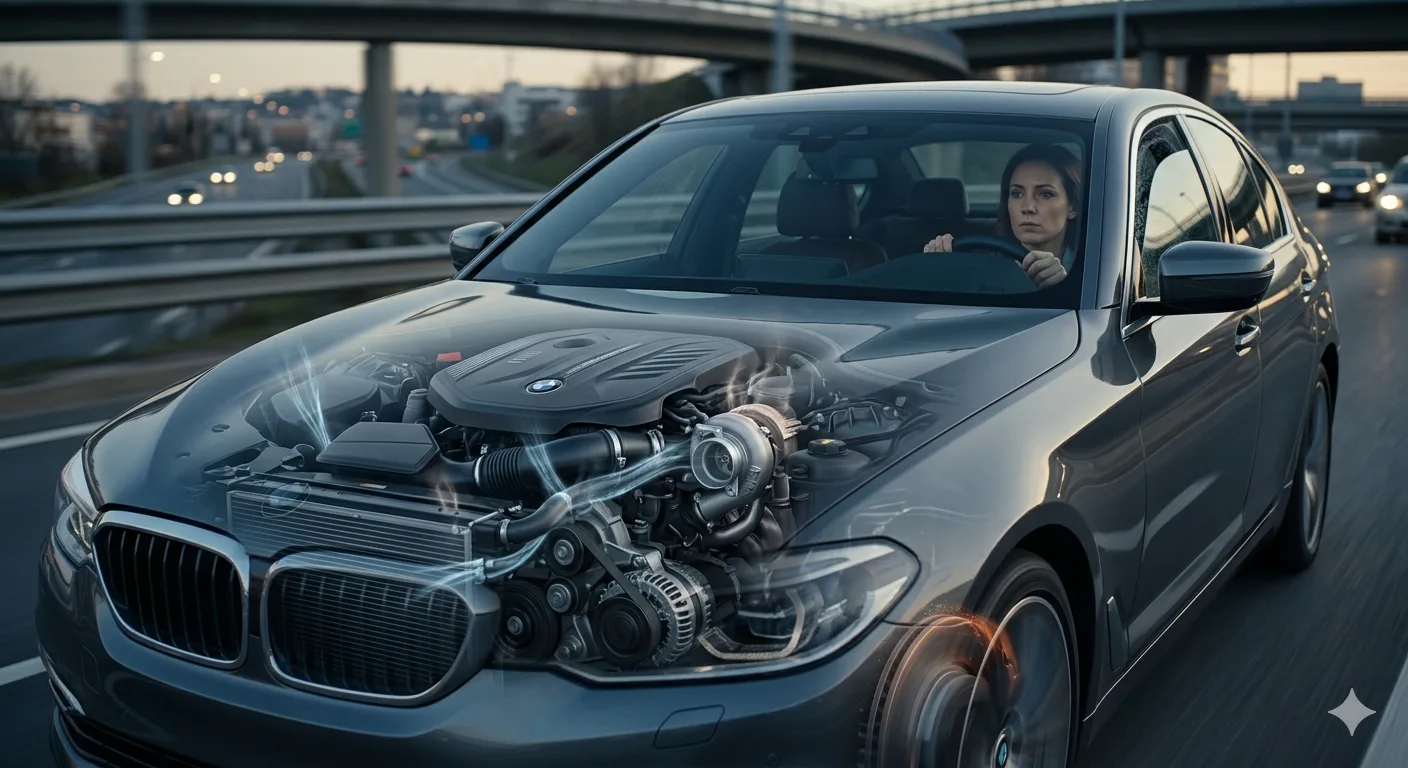
A whistling noise is a sharp, repeated sound that comes from one side of the car or from under the bonnet. It can be constant or on and off, and it may appear in specific situations: when you press the brakes, when you accelerate, while the AC is running, or even after you switch off the engine.
In some cases the cause is minor, such as an alert for a door left open or a seat belt not fastened. In other cases it points to problems in the brakes, the belts, the engine's intake system, the cooling system, or even the tyres and exhaust system.
Car whistling noise causes while driving
1. Worn or damaged brakes (the most common cause)
One of the most common causes, especially when you press the brake pedal, is worn brake pads. When the pads wear down a lot, metal starts rubbing directly against the brake disc and makes a sharp, annoying whistle. This sound is often a warning that the pads have reached the end of their life. Replace them right away to keep your braking power and a safe stopping distance.
Dust and sand building up between the pads and the discs can also cause a squeal or whistle when you brake, even if the pads themselves are still in good condition.
2. Low fuel or low essential fluids
Modern cars come with sensors that monitor the level of fuel, oil, coolant and other vital fluids. When one of these fluids drops below the safe level, the system may beep and show a warning on the instrument cluster. This tells the driver to top up or check that fluid as soon as possible.
3. Auto Hold or the electronic parking brake is on
If the automatic hold system (Auto Hold) or the electronic parking brake (EPB) is active when you start moving, the brakes may stay partly gripping the wheels as you pull away. You then hear a light whistle or a noticeable rubbing sound, and the car feels heavy.
In this case, make sure the system is switched off before you drive, or check that the parking brake is fully released. If the sound continues, it is best to go to a service centre to check the brake system and the electronic parts connected to it.
4. Low tyre pressure
Some cars have a tyre pressure monitoring system (TPMS). When pressure drops below the recommended level, a warning appears on the instrument cluster and may come with a warning beep. Low pressure increases tyre friction with the road, raises fuel consumption, speeds up tyre wear, and even creates a risk of a blowout at high speed.
The fix is to measure tyre pressure at a service station and set it to the value recommended in the owner's manual or on the sticker on the door pillar. Also check the tyre for a nail or a hole that lets air leak.
5. Belt problems (engine belt or serpentine belt)
The car uses belts to connect and drive vital components such as the alternator (dynamo), the water pump, the power steering pump and others. When these belts wear, loosen, or get exposed to water or fluids, they can make a clear whistle or squeal from under the bonnet, especially on a cold start or when the AC is on.
The engine belt is usually recommended to be replaced about every 60,000 to 100,000 miles, or as your car's manual specifies. Skipping the replacement can make the belt snap suddenly and cause major engine damage.
What causes a whistling noise when accelerating
1. A leak in the air intake system (vacuum or intake hose)
If you notice the whistle gets louder when you press the accelerator, the cause may be an air leak in the intake system. This system carries air from the air filter to the engine through hoses and joints. Any crack in a hose or a loose clamp can let air pass through a narrow gap, which produces a clear whistle.
An air leak affects the air-to-fuel ratio. It reduces the car's torque, increases fuel consumption, and may turn on the check engine light on the dashboard.
2. Worn or damaged window and door seals
Sometimes the whistle comes from the outside air itself, not from an internal mechanical problem. When the rubber seals around the windows or doors wear out, or a door does not close tightly, air rushes in at high speed through a small gap. This makes an annoying whistle, especially on highways.
Replacing the seal or re-aligning the door on its hinges usually solves the problem. It is a quick job and cheap compared with mechanical faults.
3. Low transmission fluid (automatic or manual gearbox)
Transmission fluid works as a lubricant and, in an automatic gearbox, also as a hydraulic medium. When the fluid level drops below what is needed, the driver may hear unusual sounds such as whining or whistling when accelerating or changing gears. Other symptoms include weak acceleration, slipping gears, or a burning smell.
If you notice these symptoms, check the gearbox oil level and make sure there are no leaks. Go to a transmission specialist if the sound continues or the car starts behaving differently.
What causes a whistling noise when the AC or interior systems are on
1. Problems in the AC system
A whistle can be linked to running the car's AC for several reasons. The main ones are:
- A clogged or dirty cabin AC filter, which forces air through narrow gaps and makes a whistle.
- A loose or worn AC belt, which makes a sound at start-up or when the load on the compressor increases.
- A Freon (refrigerant) leak. Lower pressure inside the system causes abnormal sounds and may weaken air cooling.
- A damaged AC fan or a foreign object stuck in its blades.
With the heat in Saudi Arabia, the AC system is under heavy load. That is why it matters to clean the filter and check the AC belt and compressor regularly to avoid costly faults.
2. A fault in the speakers or sound system
If the whistle comes from inside the cabin, and specifically from the speakers, the cause may be the sound system itself, such as:
- Connections or wires that are not secured properly.
- Electromagnetic interference from a nearby electronic device.
- An amplifier that does not match the speakers.
- Running the volume at maximum for long periods, which causes distortion and whistling.
In this case, the fix is to have a car audio technician check the wires, amplifier and speakers. Avoid running the system at full volume for long periods.
3. Internal electrical faults
Some light sounds or an on-and-off whistle can come from electronic units inside the car, such as the engine control unit (ECU) or the door and window motors. These cases need diagnosis with a scan tool at a service centre, to make sure the sound is not caused by a short circuit or overheating in one of the electrical circuits.
Read also: Engine oil leaking from underneath
What causes a whistling noise from underneath or when slowing down
1. Friction in brake and wheel components
When slowing down or braking lightly, you may hear a whistle from under the car. It is often linked to:
- Brake discs rubbing against the pads when they are damaged or old.
- Low-quality pads that make a constant noise even when fitted correctly.
- Debris or small stones between the discs and the pads.
The sound can also come from friction in suspension parts or wheel bearings, especially if it comes with vibration or changes with the car's speed.
2. A leak or damage in the exhaust system
The exhaust system runs under the car from the engine to the rear. Any small hole in the pipes or in the muffler can cause a whistle or hiss that gets louder when you press the accelerator.
This problem is not just annoying. It can affect engine performance and fuel consumption, and it may let harmful gases in near the cabin. That is why it is advisable to have the exhaust checked at a specialist workshop if you suspect any leak.
What causes a whistling noise after switching off the engine
Radiator pressure cap or cooling system
One of the less common but important causes is a whistle a short time after you switch off the engine, usually from the radiator or the cooling hoses. The cause may be a damaged or loose radiator cap that lets hot steam or pressurised air escape. It whistles until the system cools down and the pressure drops.
A fault in the radiator cap or in the cooling system in general can make the engine overheat repeatedly. So if you notice this kind of sound, have the cap, the hoses and the coolant checked at a trusted service centre.
Simple but important alerts: doors, seat belt and key
- Seat belt not fastened: most modern cars make an annoying on-and-off beep when you start moving without a fastened seat belt, and the sound continues until you fasten it. Sometimes a heavy object on the front seat triggers the belt sensor and you hear the beep even with no passenger.
- Door not closed properly: leaving a door, the boot or the bonnet not fully closed causes a beep or a repeated warning tone when you start the car or while driving.
- Key left inside the car or in the ignition: some cars warn the driver with a beep when a door is opened while the key is still in the ignition, or inside the car in keyless systems, so the doors do not lock with the key inside.
These sounds do not mean a mechanical fault, but they are safety alerts you should not ignore.
What to do when you hear a whistling noise in your car
To understand what is causing the whistle in your car and deal with it in a practical way, you can follow these steps:
- 1Identify when the sound happens
Does the sound appear when braking? When accelerating? While the AC is on? When opening the windows or closing the doors? Noting these details helps the technician diagnose it quickly.
- 1Check the simple things first
- Make sure all doors, the boot and the bonnet are closed tightly.
- Fasten the seat belts for all passengers.
- Check tyre pressure at a nearby station.
- 1Watch the instrument cluster warnings
If the whistle comes with a warning light (brakes, engine, temperature, oil, tyre pressure), do not delay the check. A warning light usually means the problem is real and not just an annoying sound.
- 1Do not ignore brake or engine sounds
Any whistle linked to the brakes, the engine or the cooling system must be dealt with right away, because it can affect your safety and the safety of the people with you on the road.
- 1Use a trusted service centre or technician
You can book an appointment at an approved workshop, or use specialised apps in Saudi Arabia that connect you with certified technicians for regular maintenance and for diagnosing strange sounds in your car, instead of guessing.
Do not ignore a whistling noise in your car
In the end, the cause of a whistling noise in your car can range from a simple alert, such as the seat belt or a door left open, to a serious fault in the brakes, the engine or the cooling system. The difference between the two starts with the driver's awareness: noticing when and where the sound appears, then deciding quickly to get it checked without putting it off.
Regular maintenance, using genuine or trusted spare parts, and paying early attention to any unusual sound can save you a lot of money and time. Most importantly, with God's help, it keeps you and your family safe on Saudi Arabia's long, fast roads.
Frequently asked questions
1. What causes a whistling noise in the car when I press the brakes?
The cause is usually worn brake pads, dust building up between the pads and the discs, or low-quality spare parts. In some cases, the brake disc itself is warped.
2. What causes a whistling noise in the car only when accelerating?
If the whistle gets louder when you press the accelerator, the cause may be an air leak in the intake (vacuum) system, a worn engine belt, or low transmission fluid. All of these need a technical check to pinpoint the problem.
3. Why do I hear a whistling noise in the car when the AC is on?
This is usually linked to three main possibilities: a clogged or dirty AC filter, a loose or worn AC belt, or a problem in the compressor or the AC fan. It may come with weaker air cooling inside the cabin.
4. What causes a whistling noise in the car after switching off the engine?
The cause may be a loose or damaged radiator cap that lets steam or pressurised air escape from the cooling system. It whistles for a short time after you switch off the engine, until the pressure drops and the air expands.
5. When is a whistling noise in the car dangerous and a reason to stop right away?
It becomes dangerous when the whistle comes from the brakes with weak response, from the engine with a warning light or rising temperature, or when it comes with strong vibration or a clear change in how the car performs. In that case, it is best to stop in a safe place and call a towing service, or go straight to a specialist service centre.
Related articles
Car care
Car Stalling When Stopped: Causes and Fixes
Learn why a car stalls suddenly when stopped, the main fixes to prevent it, and practical tips to protect engine performance and avoid breakdowns.
6 min readCar care
How to Remove Rust from a Car
Learn how to remove rust from your car with practical steps and prevention tips to protect the body, stay safe and extend your car's life at low cost.
8 min readCar care
Periodic Car Maintenance Schedule
The periodic car maintenance schedule: a full guide to when to inspect and replace parts by mileage and age, to protect your car's performance and lifespan.
7 min read