
Engine
How to do a car engine wash step by step without damaging it
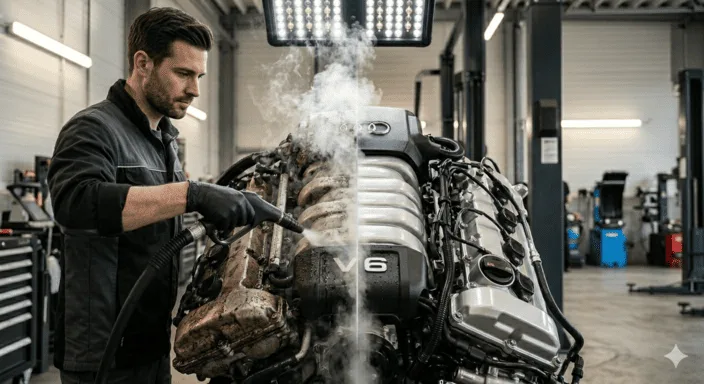
Washing your car engine is an important step in keeping the engine efficient and spotting any leaks or problems that could affect the car's performance over time. With steam engine washing services now widespread, many people look for the right way to clean the engine without damaging sensitive parts or the electrical systems. Regular car maintenance services also matter for keeping performance efficient.
Washing a car engine with steam or water the wrong way can cause sensor problems or make some engine parts run poorly. Knowing the correct cleaning steps and using the right materials helps protect the engine and preserve its service life. Relying on trusted spare parts and car maintenance services also helps keep the car performing at its best.
Why does a car engine need regular cleaning?
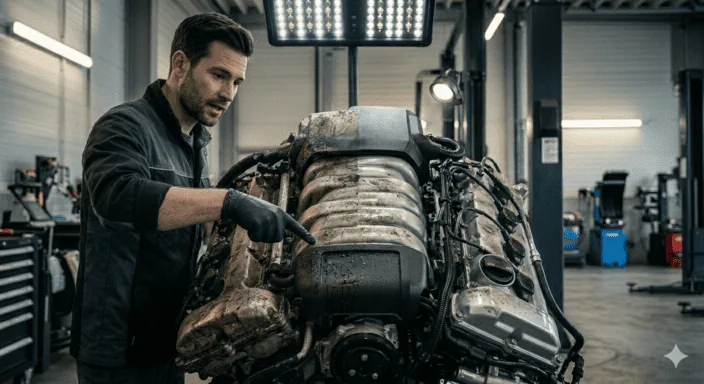
A car engine is constantly exposed to dust and oil, which can reduce its efficiency over time. Washing the engine regularly helps maintain performance and lowers the chance of breakdowns. Several reasons make engine cleaning an important step in preserving its service life.
1- Oil and dust build up on the engine
Dust and oil residue build up on a car engine constantly through daily use and driving on congested or sandy roads. Over time, this buildup turns into layers that make the engine dirtier and make it harder to spot any problem early. Neglecting the engine wash for long periods can also lead to grease building up around some sensitive parts inside the engine.
2- How dirt affects cooling efficiency and performance
Dirt and oil buildup on the engine can reduce the cooling efficiency of some parts and raise the chance of overheating, especially in hot weather or on long drives. Steam engine washing, or regular cleaning done the right way, helps maintain performance and keeps the engine running more steadily.
3- Cleaning the engine helps you spot leaks early
A clean engine makes it easier to notice any oil or other fluid leaks before they turn into bigger faults that affect the car's performance and raise repair costs. Keeping the engine clean, along with regular car maintenance services, helps you catch problems early and keeps the engine running longer.
Does washing a car engine damage it?
Washing a car engine is a useful step when done correctly, but it can cause damage if done carelessly or with the wrong tools. So it is important to understand when washing becomes risky and which sensitive parts need protection.
When washing becomes risky
Engine washing becomes risky when you use high water pressure or cleaners not made for engines, or when you wash the engine while it is hot. These mistakes can damage some electrical components or affect the car's performance after cleaning.
Sensitive parts to protect before cleaning
Before you start washing the car engine, pay attention to sensitive parts such as the electrical wiring, the sensors, the electronic control unit and the battery. Covering these parts well reduces the chance of faults during washing.
Safe washing versus careless washing
Safe washing relies on suitable tools and low water pressure, or techniques such as steam engine washing, with organised steps to protect sensitive parts. Careless washing is done without preparation or enough protection, which raises the risk of damage and reduces engine efficiency.
Tools you need before washing the car engine
Before you start washing the car engine, prepare the right tools so the cleaning is effective and safe and does not harm the engine or its sensitive parts. The right tools make cleaning easier and reduce the risks that come with water or chemicals.
Engine-safe cleaning products
Use cleaners made for car engines that can remove oil and grease without affecting metal or rubber parts. The right product cleans effectively and lowers the chance of corrosion or damage.
Protective covers for electrical parts
Protecting the electrical parts is an essential step before washing the engine, for example covering the wiring, the sensors and the electronic control unit. This step helps stop water from reaching sensitive parts and avoids electrical faults.
Brushes and degreasing tools
Brushes and degreasing tools let you reach tight spots and clean built-up deposits precisely. Choose soft or medium-stiff tools to avoid scratching or damaging engine parts while cleaning.
How to do a car engine wash step by step
Washing a car engine requires precise, organised steps so the engine is cleaned effectively without harming sensitive parts. Doing it the right way removes built-up dirt and oil while keeping the engine efficient and its components intact.
Make sure the engine is cool before you start
Make sure the engine is completely cool before washing. Spraying water or cleaner on a hot engine can damage some parts or cause cracks from the sudden change in temperature.
Disconnect the battery and cover the electrical parts
Before washing, it is best to disconnect the battery and cover electrical parts such as the sensors, the wiring and the electronic control unit, to protect them from any water getting in during cleaning.
Spray engine cleaner and remove the dirt
Spray an engine cleaner on the dirty parts and leave it for a few minutes to break down the oil and grease. Then use suitable brushes to gently remove the stuck-on dirt.
Rinse safely with low water pressure
Rinse the engine with low or medium water pressure. Avoid aiming the water directly at electrical or sensitive parts so nothing gets damaged.
Dry the engine and start the car after cleaning
After washing, dry the engine well with compressed air or a dry cloth. Then start the car to check that it runs normally and performance is stable.
Common mistakes when cleaning a car engine
Washing your car engine matters for keeping it clean and efficient, but some common mistakes during cleaning can backfire and cause unexpected faults. Knowing these mistakes helps you avoid them and keep the engine safe.
Spraying high water pressure directly on the engine
Spraying high water pressure directly on the engine can damage the sensors or push water into electrical parts. This affects the car's performance and can cause faults that are hard to detect early.
Washing the engine while it is hot
Washing the engine while it is hot is a common mistake that can damage some components through the sudden change in temperature. Always make sure the engine is cool before you start.
Not drying the electrical parts
Leaving moisture in the electrical parts after washing can cause starting problems or weak performance. Make sure the engine is fully dry before you start the car.
Using cleaners not made for engines
Using random cleaners or ones not made for engines can corrode some parts or damage protective coatings. Use safe cleaning products suited to the engine.
How do you keep the engine clean for longer?
Keeping the engine clean does not stop at washing it. It also depends on a set of regular habits that reduce dirt and oil buildup over time and keep performance efficient for as long as possible.
Check for leaks regularly
Regular checks help you spot any oil or fluid leaks early, before they build up and make the engine very dirty. This makes it easier to keep the engine clean and reduces how often you need to clean it.
Clean small dirt as it appears
Dealing with light dirt as soon as it appears stops it from building up into layers that are hard to remove later. This keeps the engine looking good and working efficiently.
Use high-quality spare parts
Choosing trusted, high-quality spare parts helps reduce the faults and leaks that make the engine dirty again and again, and supports the car's performance in the long run. You can use car maintenance services to keep up a regular, full engine inspection and make sure every part is sound.
Conclusion
Washing your car engine is an important step in keeping it clean and efficient, but it needs to be done correctly, with careful steps, to avoid possible damage. Whether you use steam or traditional methods, following the right procedure helps improve engine performance and extend its life.
More importantly, regular engine care, along with car maintenance services and the right spare parts, gives you steadier performance and fewer sudden faults, keeping your car in the best possible condition for longer.
Frequently asked questions
1. Does washing a car engine damage it?
Washing a car engine does not cause damage if done correctly, with low water pressure and the electrical parts protected. Careless washing can cause faults in the sensors or the electrical system.
2. What is the best way to clean a car engine?
The best way is to use a cleaner made for engines with a light wash or steam engine washing, while avoiding high-pressure water and protecting sensitive parts.
3. When should I wash my car engine?
It is best to wash the engine when dirt or oil has clearly built up, or from time to time during routine maintenance, especially if you drive on dusty roads or in harsh conditions.
4. Is steam engine washing safe?
Yes. Steam engine washing is one of the relatively safe methods because it uses less water and lowers the chance of water reaching the electrical parts, provided it is done professionally.
5. Does cleaning the engine affect the car's performance?
Yes. Cleaning the engine correctly helps improve performance by reducing the dirt and oil buildup that can affect cooling and running efficiency.
Related articles
 Engine
How to Check Car Engine Size: The Complete Guide
How do you find your car's engine size? Check it with the VIN or the owner's manual, and see how it affects performance, fuel use and parts choice.
6 min readEngine
Why the check engine light comes on and off, and what to do
Learn why the check engine light comes on and off, the warning signs linked to it, and how to check it properly to avoid sudden breakdowns.
6 min readEngine
What Causes Engine Vibration in a Car
Learn what causes car engine vibration, from spark plugs and the fuel system to engine mounts, and how to diagnose and fix it before it gets worse.
7 min read