
Car care
Car Parts Inspection and Installation: What a Pro Check Covers
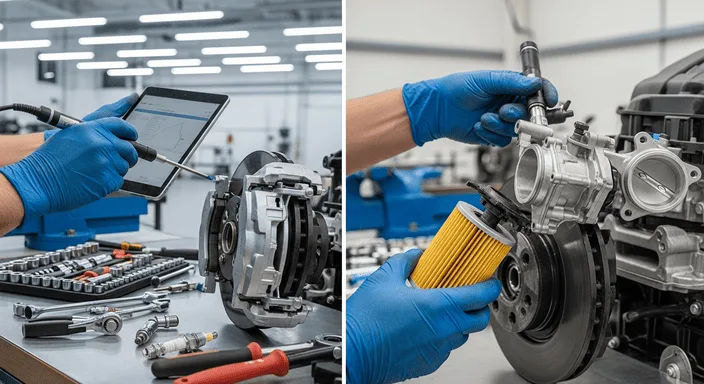
Safety first is a motto that applies especially to cars. That is why you should know the main requirements of periodic vehicle inspection, so you can keep driving safely on the road, both inside and outside the city. Today a car is a necessity, not a luxury. People rely on it heavily in daily life. To protect yourself and others on the road, make sure car parts inspection and installation is done regularly and professionally.
Why is inspecting car spare parts critical to a car's safety and performance?
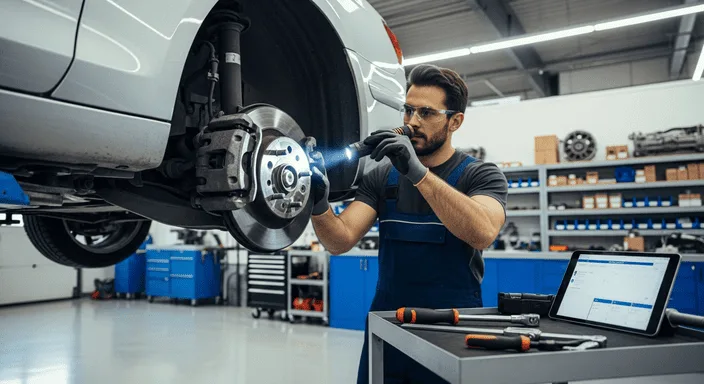
In the complex world of car manufacturing, every component, from the smallest bolt to vital engine parts, must meet strict standards. This is where inspecting car spare parts becomes critical.
Spare parts inspection and installation services include a full set of quality control processes applied to individual components and sub-assemblies throughout the manufacturing cycle. This covers everything from checking raw materials to final product inspections. It often uses advanced techniques such as non-destructive testing, dimensional measurement and visual inspection. The goal is to find any defects, inconsistencies or deviations from design specifications before the parts are assembled into the car.
The main reasons spare parts inspection matters
The importance of this inspection comes from several factors:
- Ensuring vehicle safety: Defective parts can lead to catastrophic failures, causing accidents, injuries and even deaths. Careful inspection finds defects that could put steering, braking, engine function or structural integrity at risk, which directly protects drivers and passengers.
- Ensuring performance and reliability: Beyond safety, inspection makes sure parts work as intended. This supports the best vehicle performance, fuel efficiency and long-term reliability. Substandard components can cause breakdowns, poor handling or a shorter service life.
- Protecting brand reputation: Car manufacturers invest heavily in their brand image, which depends on trust and quality. Recalls caused by defective parts are costly and seriously damage a brand's reputation. Effective inspection prevents these problems.
- Meeting regulatory standards: The car industry is tightly regulated, with strict safety and quality standards enforced worldwide. Inspection ensures compliance and avoids legal penalties and market access restrictions.
- Reducing warranty claims and rework: Finding defects early in production saves huge costs linked to warranty repairs, recalls and rework.
- Improving production efficiency: By catching defects at the source, inspection helps identify process problems. This improves manufacturing efficiency and lowers scrap rates.
In essence, car spare parts inspection is the silent guardian of the road. It is a non-negotiable process that maintains the highest quality standards, directly protects lives and improves vehicle performance.
The main requirements of periodic vehicle inspection
Periodic inspection is important because it reveals the technical condition of the car and its main components. The key requirements to meet during inspection include:
- Checking the condition of the engine, oils, filters and spark plugs.
- Inspecting other components such as tyres, the brake system, brake hoses and brake fluid.
- Checking the air conditioning and heating system.
- Inspecting the front and rear lights.
- Inspecting the glass and wiper systems.
- Checking the electrical system and exhaust emissions control.
Alongside checking the car's mechanical condition, you need documents such as the vehicle registration, national ID card, the inspection fee payment receipt and the technical inspection form. You also need to meet compulsory insurance requirements and prove the car has no outstanding traffic violations.
Steps of a vehicle inspection at the traffic department
The inspection takes place in three main stages:
- 1Go to the relevant traffic unit: The car's details and files are reviewed.
- 1Technical inspection inside the unit: Technicians check the tyres, signals and lights, brake efficiency, chassis, exhaust system, glass and side mirrors. If the car passes, this is officially recorded. If the technicians find any faults, you are sent back to fix them before re-inspection.
- 1Complete the licensing and renewal procedures: Based on the inspection result, you pay the required fees to receive the registration.
Periodic vehicle inspection requirements
Periodic vehicle inspection requires a number of official documents to make sure the spare parts inspection and installation requirements are met. The main documents required are:
- The vehicle registration, original and copy. It must be valid or recently expired.
- The car owner's national ID card or iqama. The card must be valid, and you must bring a copy.
- An official power of attorney, if the applicant is not the car owner.
- Payment of the inspection fee receipt inside the traffic unit.
- Filling in the technical inspection form inside the traffic unit before presenting the car for inspection.
- The compulsory insurance form when renewing the registration after inspection.
- A violations certificate, issued by the traffic department. It proves the car has no violations before renewal.
How do you pass the vehicle traffic inspection?
To pass the periodic vehicle inspection, follow these steps:
- Maintain the car according to the manufacturer's recommended maintenance schedule for your car model.
- Make sure damaged car spare parts are replaced before the inspection date.
- Check your car yourself before the periodic inspection and find possible problems and faults.
- Make sure the car's systems, including brakes, suspension and lighting, are sound.
- Prepare all documents required for the periodic inspection and check that they are valid.
- Make sure there is enough fuel in the tank before the periodic inspection.
- Set the tyre pressure.
- Make sure all lights and indicators work.
What faults should you check before the inspection?
There are several main faults to check before the periodic vehicle inspection. The most important are:
- Leaks in the brake system: make sure there are no leaks.
- Worn brake linings: check the thickness of the linings and make sure they are not worn.
- Make sure the brakes work well and respond when pressed.
- Check the shock absorbers and springs in the suspension system and make sure there are no leaks. Also check that the joints and links are not worn.
- Make sure the tyres are sound with no cracks, and check the wheel balance for any vibration or pulling.
- Check all front and rear lights and signals, and make sure the lights work properly.
- Check the exhaust pipe and pipes to make sure there are no leaks in the exhaust system and no annoying noise.
Professional car parts inspection and installation services
Installing car spare parts varies from car to car. Knowing exactly which parts you need is essential to replace them correctly. Usually, car owners have to go to a specialist workshop for any installation if they are not familiar with a particular part. But you should at least understand the installation or repair process on your car.
Replacing parts
It is a good idea to use a professional mechanic to replace spare parts, especially major car parts such as the engine. They not only make sure the parts are installed correctly but also make sure the car is safe to drive. Experts and professionals will also give car owners a warranty on the new spare parts they install.
Repairing parts
Your car is a major financial investment. Maintenance and repair are key details to focus on. Even if your car needs only a minor repair or a simple part replacement, it is best to take it to a specialist technician. You may cause greater damage if you try to repair your car yourself.
Restoring your car
Car restoration is a complex process that requires attention to the correct order and correct installation of parts. Many car owners may not have the knowledge needed to install these parts correctly. So you need to consult a trusted car workshop to make sure the right parts and installation procedures are chosen.
Dismantling parts
Car owners often try to dismantle spare parts to repair their cars without knowing the correct order for reassembly. This causes more damage to your car. If you do not know how to dismantle and reassemble it correctly, it is best to leave your car as it is.
Main engine parts that need regular inspection and installation
The engine
The engine is a core part of the car. It provides the power needed to move it. The engine runs on a highly volatile fuel known as petrol. It works with the car's transmission system to move forward and backward.
The longer you drive your car, the more it needs regular maintenance. Poor engine maintenance eventually leads to engine failure. If your car is old, especially if it has covered more than 100,000 miles, it may be time to replace the engine. A professional mechanic should replace and repair the engine.
The transmission
Your car's transmission controls the car's power and speed. Any change needed, whether a repair or a replacement, should be done by a professional mechanic. Dismantling a car's transmission system involves many different parts that a technician knows well. Working on these parts can be difficult, and if you do not have enough experience installing them, the transmission may be damaged.
The brakes
Replacing the brakes is a comprehensive car parts replacement job. Unfortunately, many car owners replace them without consulting a specialist mechanic. This can be dangerous, as it may cause more damage if you do not know what you are doing.
The steering
The steering mechanism is an integral part of the car. Any adjustment, replacement or installation should be done by a specialist technician. Always consult a professional mechanic before trying to dismantle your car's steering mechanism. If you do not know what you are doing, you may cause more damage to your car and possibly injure yourself.
The full inspection checklist: 25 key points
A clear checklist is essential. It helps you find faults early, keep your car safe and earn your customers' trust. Whether you are checking a used car before selling it or doing routine maintenance, following a regular inspection process is the foundation.
Why does the checklist matter?
- Find problems before they become expensive.
- Keep your inspection process fast and consistent.
- Build trust through clear records and honest feedback.
The key points in the checklist
- Vehicle identification: Record the vehicle identification number (VIN), number and plate to confirm identity, match previous records and keep an accurate inspection log.
- Odometer reading: Record the mileage to track wear, plan maintenance and verify the service records.
- Engine oil level and condition: Use the dipstick to check for the correct level and a clear amber colour. Dark or gritty oil may indicate overdue maintenance.
- Coolant level and leaks: Check the reservoir when cold, check the fill lines, and look for coolant residue or smell around the hoses or radiator.
- Brake fluid level: The brake fluid reservoir should be between the minimum and maximum marks. A low or empty level may indicate leaks or worn brake pads.
- Transmission fluid: Check the dipstick fluid in automatic cars. It should be red and clear. A brown colour or burnt smell indicates the fluid may need changing.
- Battery and cable condition: Check the battery for corrosion on its terminals, and make sure its voltage is sound.
- Air filter and cabin filter: It is time to replace the air filter when, held up to the light, dirt blocks most of the light. This ensures airflow and cabin air quality.
- Drive belts and hoses: Worn belts or hoses can damage the engine. Check for signs of wear, such as cracks or glazing.
- Check engine light or dashboard warnings: Scan the dashboard for active warnings. Even flashing lights may point to serious problems under the bonnet.
- Brake pads and discs: Check pad thickness and the rotor surface. Thin pads or cracked rotors can put safety at risk and need replacing.
- Suspension components: Press down on the car's corners. If it bounces more than twice, check the shock absorbers or struts for wear.
- Steering system: Check the steering wheel movement and inspect its linkages. Excessive play may put driving at risk.
- Tyre tread depth and wear patterns: Use a tread depth gauge and look for uneven wear, which may indicate suspension or alignment problems.
- Tyre pressure and spare tyre: Measure all tyres, including the spare. Check the sidewalls for cracks or bulges to avoid a blowout.
- Wipers and washer fluid: Test the windscreen wipers for streaks or cracks. Fill up the washer fluid to ensure clear visibility.
- Headlights and tail lights: Make sure all exterior lights are clear. Proper operation of these lights ensures safety and helps you avoid traffic violations.
- Turn signals and hazard lights: Make sure the turn signals and hazard lights flash at the correct rate.
- Heating, ventilation and air conditioning: Test heating, cooling, vent airflow and the defroster to make sure they work and the cabin is comfortable.
- Seat belts and safety restraints: Pull the belts firmly to test the lock. Check the buckles and straps for wear to ensure passenger safety.
- Interior lights and gauges: Make sure the interior lights and instrument panel work.
- Body and paint condition: Check for scratches, rust or mismatched paint. This may indicate previous damage or corrosion risk.
- Windscreen, mirrors and glass: Adjust the mirrors and make sure chips or cracks in the glass surfaces do not affect visibility.
- Underbody and exhaust system: Check the exhaust system for leaks, rust or damage. A sound exhaust system prevents harmful fumes and performance problems.
- Test drive: Drive the car to assess how it runs, smooth gear changes, brake feel, steering response and any unusual noises.
Read also: Important steps for inspecting a car before buying that you should know
Spare parts inspection and installation services are not just a routine step. They are a real investment in your safety and your family's safety on the road. A thorough professional inspection protects you from sudden breakdowns, saves you the cost of expensive repairs later, and keeps your car running as efficiently as possible.
Always remember that your car is your daily transport and a responsibility in your hands. Looking after it through regular periodic inspection and professional parts installation means you value your safety and the safety of those around you. Do not wait for a problem to appear. Prevention is always better than cure.
Whether you are inspecting your car for the first time or keeping up with its regular maintenance, following full checklists and using professional technicians gives you peace of mind and a safe, enjoyable drive. Start today by booking a periodic inspection appointment, and make safety a top priority in your life.
Frequently asked questions
Why would a car fail the inspection?
A car fails the periodic inspection if there are faults or problems that affect its safety or road safety. Examples include a brake fault, poor front and rear lighting, damaged tyres, or visible oil and fluid leaks. A car can also fail if the windscreen is broken or cracked, if an exhaust fault causes heavy smoke, if the chassis and engine numbers do not match the registration, or if the car has illegal modifications.
What should I do before my car inspection?
Before you go for the inspection, and after making sure you meet the spare parts inspection and installation requirements, it is best to do a quick maintenance check on the main parts. Check the engine oil level, radiator water, tyre condition and air pressure, and make sure the brakes, front and rear lights and signals work. It is best to clean the car inside and out, check that the glass and mirrors have no cracks, and make sure the chassis and engine numbers are clear and match the registration.
Do I need to wash my car before the periodic inspection?
It is best to wash the car before the periodic inspection. This shows the car's real condition and makes it easier for the inspector to read the chassis and engine numbers clearly. It also prevents built-up dust or oil that could be mistaken for mechanical faults or leaks. A clean car shows the owner cares about it, which leaves a positive impression on the technician during the inspection.
Do minor dents affect the periodic inspection?
Minor dents usually do not affect the periodic inspection result, as long as they do not touch safety-related parts such as the suspension, chassis, brakes, lights or windscreen. If the damage is limited to the outer body, such as scratches or small dents, and does not affect the car's performance or safety, it will not stop the car from passing. If the impact cracks the glass or affects the car's alignment or how parts are fixed, the car will fail until it is repaired.
Do traffic violations stop the periodic inspection?
Traffic violations can indeed affect the periodic vehicle inspection. Make sure you pay all outstanding traffic violations on the car, so the traffic department does not refuse the periodic inspection.
Related articles
Car care
Regular Car Maintenance: Protecting Spare Parts from Early Damage
Regular car maintenance keeps your car running well, prevents sudden breakdowns, cuts costs, extends engine and parts life, and keeps you safe on the road.
12 min read Car care
Signs Car Parts Need Replacing: Which Mean Immediate Replacement?
Worn car parts can cause breakdowns and risks on the road. Learn the main signs of wear and when to replace parts to keep your car performing safely.
10 min read Car care
Important Pre-Purchase Car Inspection Steps You Should Know
Learn how to inspect a used car yourself before buying, confirm it is sound, and avoid recurring faults and large, costly repairs later.
7 min read