
Engine
How to Check Car Engine Size: The Complete Guide
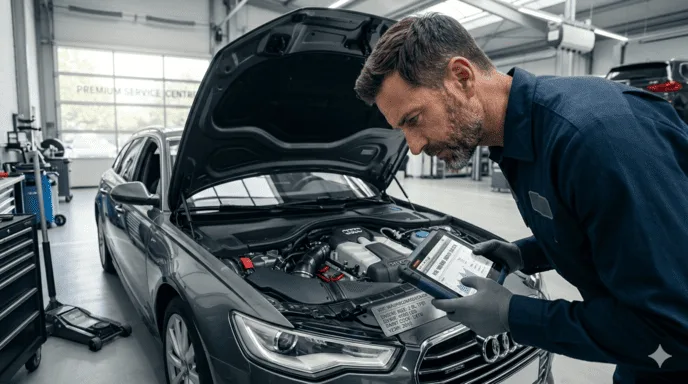
If you want to understand your car better, knowing how to check car engine size is one of the most useful basics. It helps you understand the engine's power and choose the right spare parts accurately. Engine size is not just a number. It affects performance, fuel consumption and how the car handles daily use.
Many drivers focus on the look or the model, but knowing your car's engine capacity gives you a clearer picture when you service or buy a car. There are simple ways to find the engine size and to use this information when choosing the right parts through a car spare parts store.
What Is Car Engine Size and What Does CC Mean?
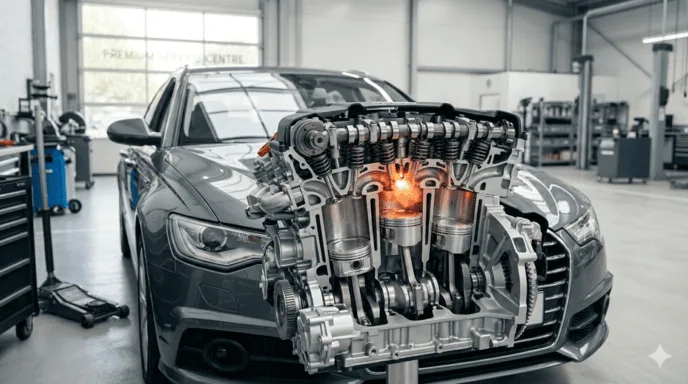
Car engine size, or engine capacity, is the internal volume of the engine's cylinders, where fuel burns to produce power. It is also called Engine Size. The larger the engine capacity, the more power the engine can generate to move the car. That does not always mean better performance in every case.
Definition of Engine Capacity (Engine Size)
Engine capacity is the volume of the cylinders inside the engine. It is usually measured in liters or cubic centimeters (CC). This number reflects how much air and fuel mixture the engine can handle in one operating cycle. So it directly affects the car's power and response.
What Does the CC Number Mean in a Car?
CC stands for "Cubic Centimeter", the unit used to measure engine capacity. For example, a 1600 CC engine means the internal cylinders have a total capacity of 1600 cubic centimeters. A higher CC number usually means a more powerful engine, while fuel efficiency varies with the design.
How to Check Car Engine Size Easily and Accurately
There are several reliable ways to find your car's engine size without hassle. Manufacturers provide engine data in official sources inside the car or through digital tools that help you get accurate information.
Method 1: The Owner's Manual
The owner's manual is the most accurate source. It contains all the vehicle's specifications, including the car's engine capacity (Engine Size), the engine type and the number of cylinders. You can find this information in the technical specifications section.
Method 2: The Chassis Number (VIN)
The chassis number, or VIN, is a unique identification number for each car. You can use it to get all the car's data, including the engine size. It is used on official websites or car inspection services to find exact details.
Method 3: The Car Door or the Specifications Plate
There are often stickers inside the driver's door or under the hood with important information such as engine capacity, weight and tire pressure. This is a quick and direct way to find your car's engine size without extra tools.
Method 4: Car Websites or Apps
Some websites and apps let you enter the VIN or the car's details to get its full specifications, including engine capacity. This is a practical method, especially when comparing options or buying spare parts through a car spare parts store.
Does Engine Size Affect Fuel Consumption?
Engine size is one of the main factors that affect fuel consumption. Your car's engine size is directly linked to the amount of energy the engine needs to run, and so to the amount of petrol it uses while driving.
Small Engines vs. Large Engines
Small engines usually use less fuel because they need less fuel to generate power. This makes them suitable for daily city driving. Large engines deliver more power and stronger performance, but they usually use more fuel, especially on long drives or under heavy loads.
The Relationship Between Power and Petrol Consumption
As engine power and engine capacity increase, acceleration and performance improve, but fuel consumption also rises. Still, this relationship also depends on modern engine technology and build efficiency, not just size. So choosing the right engine depends on how you use the car.
How to Choose the Right Engine Size for Your Needs
Choosing the right car engine size depends mainly on how you use your car every day. Engine capacity affects performance, fuel consumption and driving comfort in different conditions.
For City Driving
If you drive mostly in the city and make short trips, a small engine is the better choice. It saves more fuel and is easier to drive in traffic and on busy roads.
For Travel and Long Roads
If you travel often or drive on highways, a medium to large engine is the better choice. It gives better stability and more power at high speeds, which makes trips more comfortable and steady.
For Heavy Use or Four-Wheel Drive
For heavy use, rough roads or four-wheel drive cars, larger and more powerful engines are recommended. They handle the strain and deliver strong torque that helps the car cope with tough conditions efficiently.
Common Mistakes When Understanding Engine Size
When looking up how to find your car's engine size, many people make common mistakes that lead to an inaccurate understanding of the car's specifications. This can affect buying or maintenance decisions.
Relying on the Exterior Only
Some people think the size or shape of the car reflects the engine's power. This is not true. A large car can have a small engine and the other way around. So you cannot judge a car's engine size from its appearance alone.
Confusing Horsepower With Engine Size
There is a clear difference between engine capacity (CC) and horsepower. Engine size describes the internal capacity of the cylinders, while horsepower describes the engine's actual performance. A small engine can have high power thanks to modern manufacturing technology.
Ignoring the Manufacturer's Specifications
Another common mistake is relying on guesses or unofficial information instead of the manufacturer's data. The manufacturer's data is the most accurate source for your car's engine capacity and its real specifications, especially when choosing spare parts through a car spare parts store.
Important Tips Before Relying on Engine Size Information
Before relying on any information about your car's engine size, make sure the data is accurate and matches your car's actual specifications. Even a small error can affect your choice of parts or the car's performance.
Check the Chassis Number
The chassis number (VIN) is the main reference for the car's specifications. It lets you confirm the car's engine capacity and all technical details accurately. So it is a necessary step before making any decision.
Check the Car Model Exactly
A different model year or trim can mean a different engine type and capacity. So confirm the full car model and do not rely on the look or the trade name alone.
Use a Reliable Source When Buying Parts
When you need to buy or replace spare parts, use reliable platforms that make sure the parts match your car's specifications, such as a car spare parts store. There you can compare the available options and choose the best one based on accurate data.
Conclusion
Knowing the details of your car's engine size gives you a clearer picture when servicing the car or choosing spare parts. It helps you make the right decisions based on an accurate understanding of the car's performance. Knowing the engine capacity helps you assess power and fuel consumption, and choose parts that match your car's specifications without mistakes.
The more accurate your information about the engine and car specifications, the better informed and more effective your decisions, especially when you rely on trusted sources such as a car spare parts store to get the right parts with confidence and ease.
Frequently Asked Questions
1. How do I find my car's engine size easily?
You can find the engine size in the owner's manual, from the chassis number, or on the specifications plate inside the car.
2. What does CC mean in a car?
CC means engine capacity. It is the volume of the cylinders inside the engine, and it affects the car's power.
3. Does engine size affect fuel consumption?
Yes. Large engines usually use more fuel than small engines.
4. Can I find the engine size from the chassis number?
Yes. You can get all the car's specifications, including engine capacity, from the chassis number.
5. Is engine size the same as the car's power?
No. Engine size is different from horsepower, and each one measures a different aspect of performance.
Related articles
 Engine
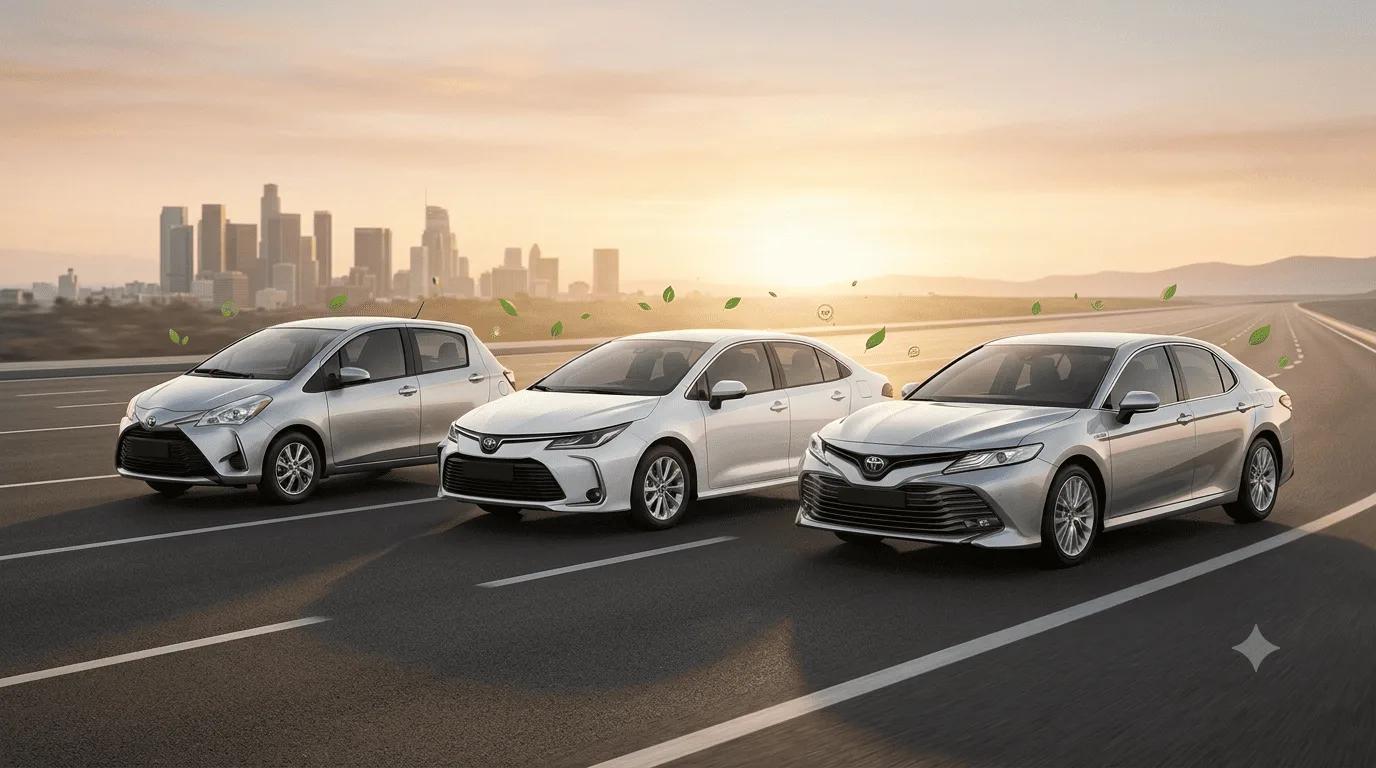
Most Fuel-Efficient Toyota Cars for 2026
Discover the most fuel-efficient Toyota cars and compare the Yaris, Corolla, Prius and Camry Hybrid to choose the right car for you.
6 min read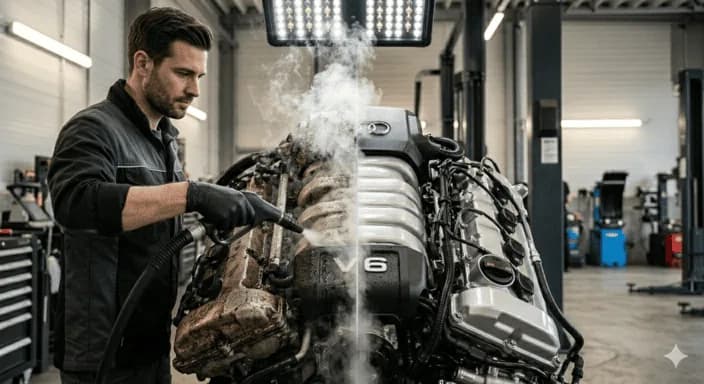 Engine
How to do a car engine wash step by step without damaging it
Washing your car engine the safe way keeps it efficient and reveals leaks early. Learn the steam cleaning steps and key tips to avoid damage.
7 min readEngine
Why the check engine light comes on and off, and what to do
Learn why the check engine light comes on and off, the warning signs linked to it, and how to check it properly to avoid sudden breakdowns.
6 min read