
Engine
When Does a Transmission Need a Rebuild? Key Signs Not to Ignore
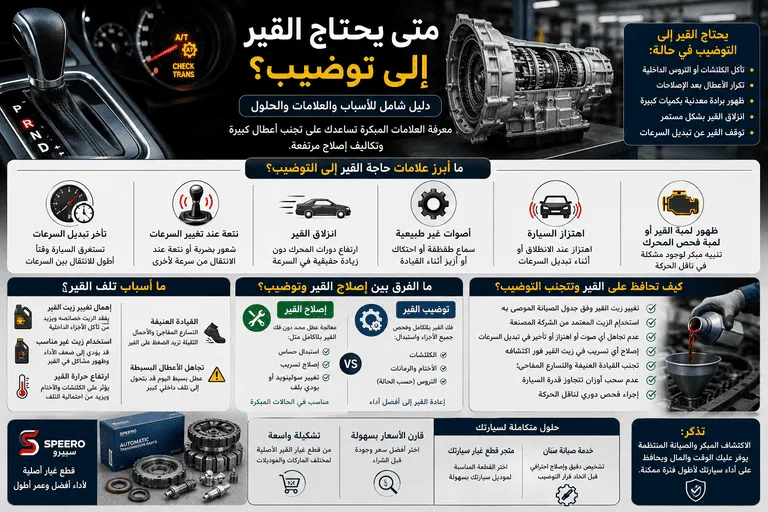
The transmission (gearbox) is one of the most important systems in a car. It carries power from the engine to the wheels efficiently and smoothly. Over time, or when maintenance is neglected, faults can start to appear gradually: delayed gear shifts, unusual noises or vibration while driving. At this point many drivers ask: when does a transmission need a rebuild? Can the problem be fixed with a simple repair, or is a rebuild the only option left?
This guide covers the main signs a transmission needs a rebuild, the causes of transmission damage, and the difference between a repair and a rebuild. It also gives the key tips that help you extend the life of your transmission and avoid costly faults.
When does a transmission need a rebuild?
A transmission fault does not always mean the car needs a rebuild straight away. Some problems come from low transmission fluid or a failed sensor or solenoid, and these can be fixed without taking the whole transmission apart. When faults keep coming back, or the internal parts are badly damaged, a rebuild becomes the best way to restore the transmission's performance.
A transmission usually needs a rebuild in these cases:
- Wear in the internal clutches or gears.
- Faults that keep returning after simple repairs.
- Large amounts of metal shavings found when checking the transmission fluid.
- Constant transmission slipping while driving.
- The transmission no longer shifts gears normally.
The final decision depends on a technical diagnosis. Do not delay a check once you notice any unusual symptom.
What are the main signs a transmission needs a rebuild?

Several signs point to an internal problem in the transmission. Spotting them early can lower the repair cost.
Delayed gear shifts
If the car takes longer than usual to move between gears, the cause may be low fluid pressure inside the transmission or wear in some internal components. If this goes on for a long time, it can lead to greater transmission damage.
A hard jerk when changing gears
Feeling a knock or jerk when moving from one gear to the next is one of the most common automatic transmission problems. It can come from a fault in the valve body or the solenoids, or from wear in the transmission's internal parts.
Transmission slipping while driving
Transmission slipping happens when engine RPM rises without a real increase in the car's speed. It is an important sign of a problem with the internal clutches or reduced power transfer efficiency.
Unusual noises from the transmission
Clicking, grinding or whining noises while driving can point to worn gears or bearings. These signs call for an immediate check so the fault does not get worse.
Vibration when pulling away
If the car vibrates when pulling away or while changing gears, the cause may be damage to some transmission components or a fault in the whole drivetrain.
Transmission warning light or check engine light
Modern cars use sensors that monitor transmission performance all the time. A warning light may be the first sign of a problem that needs a diagnosis with an electronic scan tool.
What causes transmission damage that leads to a rebuild?
In many cases transmission damage does not happen suddenly. It builds up from several factors that affect performance over time.
Not changing the transmission fluid
Transmission fluid plays a key role in cooling, lubrication and reducing friction between internal parts. When it is not changed on the recommended schedule, it gradually loses its properties, and the risk of damage to internal components rises.
Using the wrong fluid
Fluid that does not match the manufacturer's specifications can weaken transmission performance and cause shifting problems. Always use the recommended fluid type.
Transmission overheating
High temperature is one of the most common causes of transmission damage. It shortens the life of the clutches and rubber seals and increases wear on internal components.
Aggressive driving
Sudden acceleration, regularly towing heavy loads and long periods of driving in harsh conditions all put more stress on the transmission and speed up its wear.
Ignoring small faults
A fault may start as a small leak or a slight shifting delay. Ignoring it for a long time can turn the problem into internal damage that needs a full rebuild.
What is the difference between a transmission repair and a rebuild?
Many car owners confuse a transmission repair with a rebuild, but the two differ clearly in the work involved, the cost and the results.
A transmission repair fixes a specific fault without taking the whole transmission apart, such as replacing a sensor, fixing a fluid leak, or changing a solenoid or the valve body. This option suits faults caught early, before the internal components are damaged.
A transmission rebuild is a full process. The transmission is taken apart completely, every internal part is inspected, and damaged parts are replaced, such as the clutches, seals and bushings, and sometimes some gears depending on the transmission's condition. The aim of a rebuild is to bring the transmission back to the best performance possible.
The choice between a repair and a rebuild depends on the result of the technical inspection, not on a single symptom.
Does changing the transmission fluid always fix the problem?
Some people believe a fluid change is enough to fix every fault. In reality, it depends on the cause of the problem.
If the fault comes from a low fluid level or fluid that has reached the end of its service life, changing it can improve performance and bring back smooth shifting. If the problem comes from worn clutches, damaged gears or internal mechanical faults, a fluid change alone will not be enough.
For this reason, do not rely on guesswork. Get a thorough inspection to find the cause of the fault before replacing any part or deciding on an automatic transmission rebuild.
How do you look after your transmission and avoid a rebuild?
Some transmission faults are linked to the car's age, but regular maintenance greatly lowers the chance of reaching the rebuild stage.
Here are the key tips:
- Change the transmission fluid on the recommended maintenance schedule.
- Use the fluid approved by the manufacturer.
- Do not ignore any noise, vibration or delay in gear shifts.
- Fix any transmission fluid leak as soon as you find it.
- Avoid frequent aggressive driving and sudden acceleration.
- Do not tow weights beyond the car's capacity.
- Have the transmission checked regularly, especially when buying a used car.
Following these steps helps keep your transmission efficient and lowers the risk of costly faults later.
How does Speero help you get the right transmission parts?
When you find a transmission fault, high-quality spare parts are one of the most important factors in a successful repair or rebuild. That is why Speero offers a wide range of new car spare parts for different makes and models. You can compare more than one price before buying, which helps you pick the option that fits your needs and budget.
If you are looking for the right part for your car, you can visit the car spare parts store to see the available options and easily choose what fits your car's model.
If you need a fault diagnosis or maintenance before deciding on a rebuild, you can use the car maintenance service to confirm the cause of the problem and choose the right solution before replacing any part.
Conclusion
The answer to when does a transmission need a rebuild depends on the transmission's condition and the results of the technical inspection, not on a single symptom. Some symptoms of transmission damage can be treated with simple repairs if caught early, while advanced cases may need a full rebuild to restore the transmission's efficiency.
Noticing early signs such as delayed transmission shifts, transmission slipping or unusual noises, and keeping up with regular maintenance, helps you avoid major faults and lower repair costs. When you need to replace any transmission component, choose reliable spare parts that fit your car for better performance and a longer transmission life.
Frequently asked questions
1. How do I know my transmission needs a rebuild?
The main signs are delayed gear shifts, transmission slipping, jerking when changing gears, unusual noises, or faults that keep returning despite repairs. A technical inspection decides whether a rebuild is necessary.
2. Can a transmission be repaired without a rebuild?
Yes. In some cases a transmission can be repaired without a rebuild if the fault comes from a failed sensor, low transmission fluid, or a fault in the solenoids or valve body. Major internal faults need a rebuild.
3. What causes automatic transmission damage?
The main causes are not changing the transmission fluid, using the wrong fluid, transmission overheating, aggressive driving and delaying repairs of small faults.
4. Does changing the transmission fluid fix all transmission problems?
No. A fluid change can improve performance if the cause is degraded or low fluid, but it does not fix damaged gears, clutches or internal components.
5. Is a rebuild better than replacing the transmission?
It depends on the transmission's condition and the repair cost. If the main parts can be repaired, a rebuild may be the economical choice. In cases of severe damage, replacement may be the better solution.
Related articles
 Engine
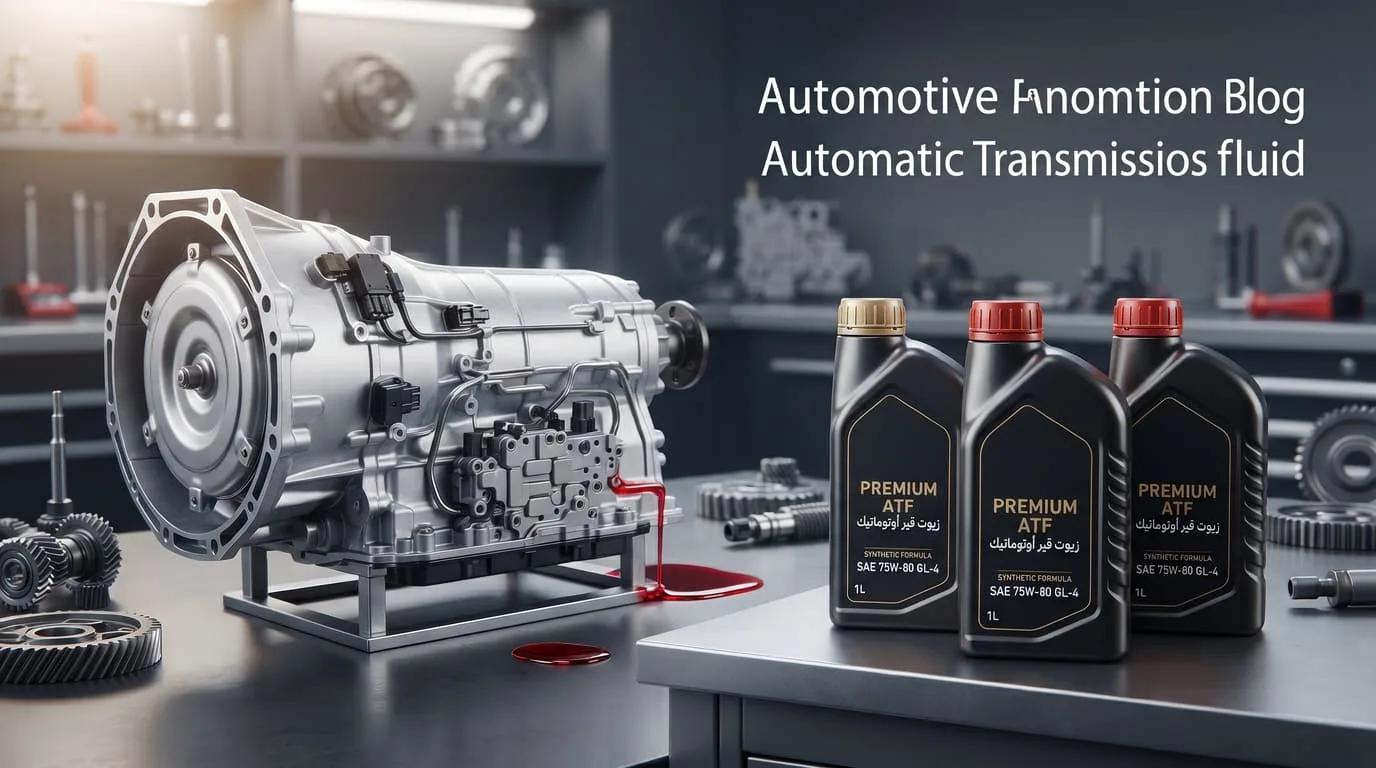
The Best Automatic Transmission Fluid Types for Your Car
The best automatic transmission fluid for your car: fluid types, symptoms and causes of damage, and key tips to keep your transmission working well.
6 min read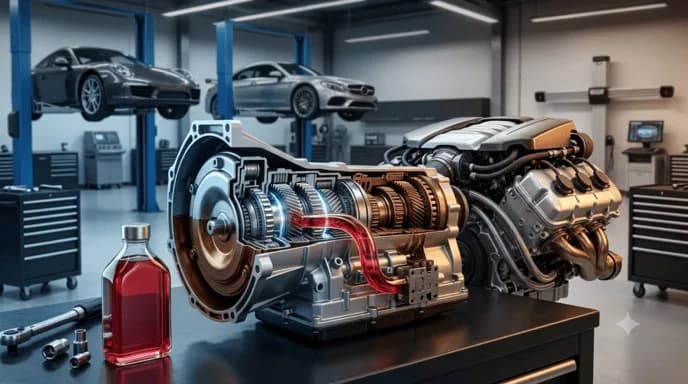 Engine
Automatic Transmission Fluid: Types and When to Change It
Learn about automatic transmission fluid: its types, signs of wear and when to change it, plus tips to protect your transmission and avoid costly repairs.
8 min read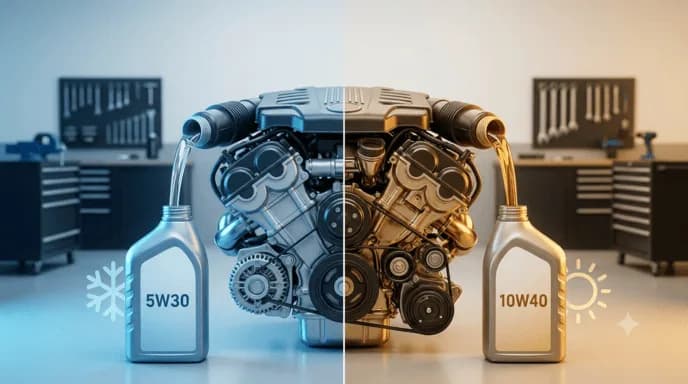 Engine
5W30 vs 10W40 Oil Difference: Which Is Better for Your Car?
See how 5W30 and 10W40 oil differ in viscosity, performance, fuel use and engine protection, and which suits your car based on the manufacturer's advice.
6 min read