
Engine
The new car break-in period
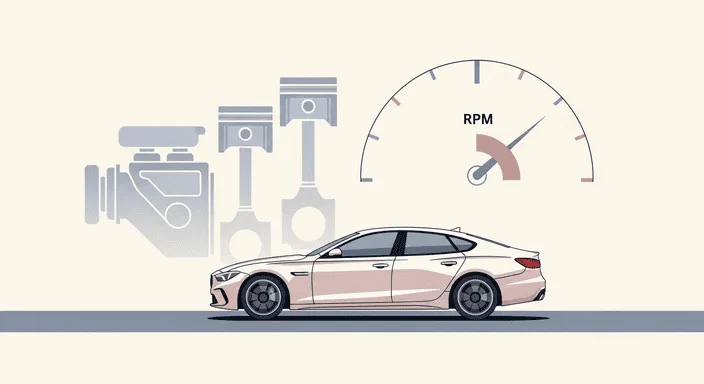
Buying a new car is exciting, but the first thing to think about after delivery is the new car break-in period and how to drive during it in a way that protects the engine and gives you the best performance later. Common recommendations say the goal of break-in is to let the friction surfaces inside the engine wear in gradually, especially so the piston rings seat properly against the cylinder walls. This reduces early wear and future problems.
On the other hand, hard driving early on can speed up wear on any tiny manufacturing flaws, and it can cause "hot spots" inside the cylinders with long-term effects. So following the break-in guidelines is not "overcomplicating things". It is a short period of discipline in exchange for years of reliability.
What does breaking in a car mean?
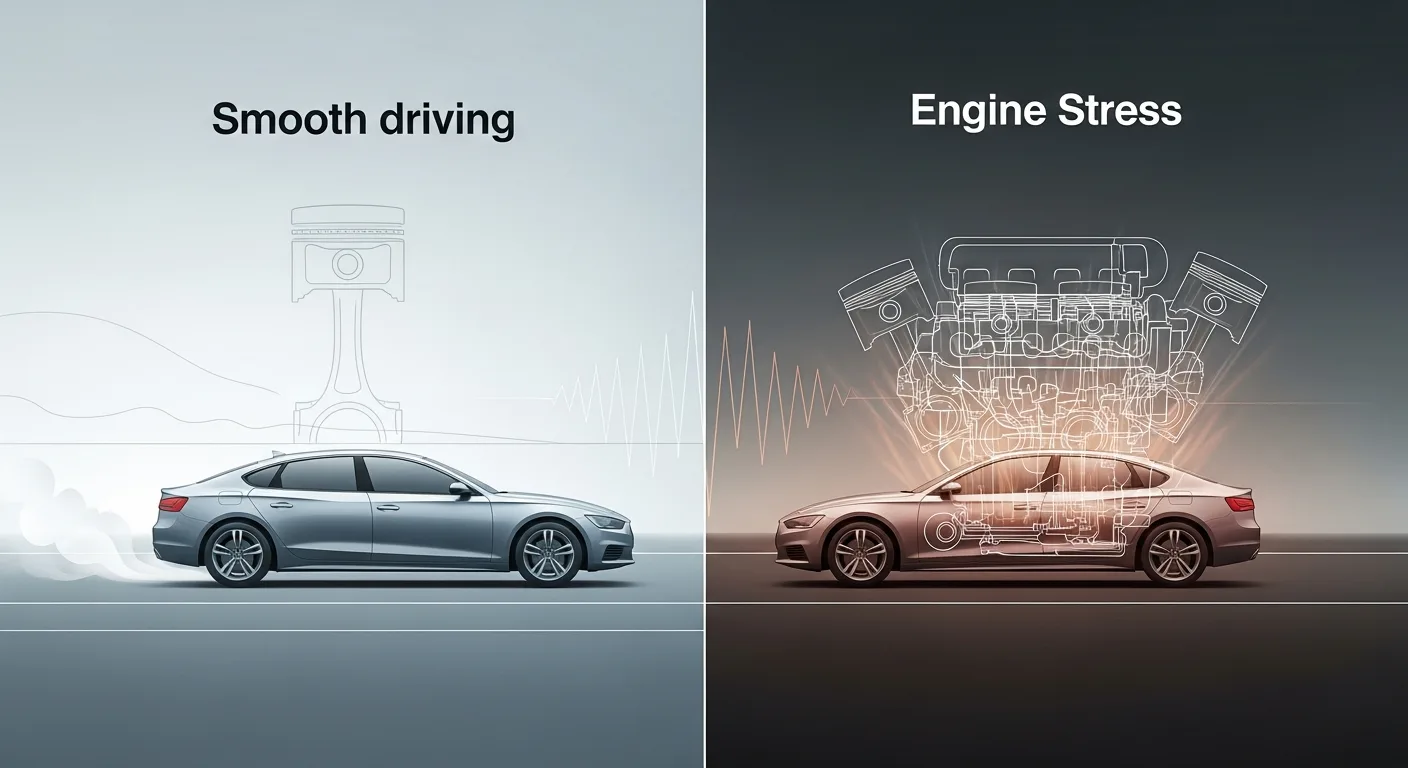
Breaking in a car (also called the run-in period) is a measured driving style during the first distance of the car's life. The aim is to run the engine and mechanical parts under normal pressure and heat, with gradually increasing loads. The basic idea is that the engine needs a short time to run more smoothly, with steady oil flow and even wear, instead of "sudden stress" from day one.
The expected benefits when you follow the break-in are better fuel economy, lower oil consumption, smoother power delivery and longer engine life over the long term. Modern manufacturing quality reduces the need for a long period, but many manufacturers still give clear instructions in the owner's manual.
How long is the new car break-in period?
There is no single period that suits every car, because the break-in length varies by manufacturer, model, engine type and transmission. As a practical rule close to everyday reality, many guidelines center on roughly the first 500 to 1,000 miles (about 800 to 1,600 kilometers), with moderate driving and gradually increasing loads.
Some manufacturers are more specific. For example, reports say Hyundai stated in its break-in instructions that engine speed should stay between 2,000 and 4,000 rpm, without holding one speed for a long time, during a first period of about 600 miles (around 1,000 km) on some models. Some cars also go through running and test procedures at the factory before delivery, which reduces the break-in restrictions for the owner in specific cases.
For the Saudi market specifically, the key point is handling long highway trips and high heat wisely. The goal is not slow driving. It is balanced driving that varies speed and load and avoids continuous full throttle early in the period.
Correct break-in steps (in practice)
These steps help you apply the car break-in period in a clear and easy way. The first reference is always the owner's manual for your car.
Avoid full throttle and top speeds
General recommendations in many guidelines sum up the idea: avoid reaching top speed or pressing the accelerator all the way (Wide Open Throttle) during the break-in period. This does not mean no acceleration at all. It means not turning every pull-away into an early "power test".
Vary your speed and engine rpm
One of the key break-in principles is not holding one speed for a long time, because varying engine rpm helps the piston rings seat better and reduces early wear. Hyundai's instructions explicitly stress varying engine speed and not keeping a constant speed for long periods, within the 2,000 to 4,000 rpm range.
Avoid cruise control at first (especially on highways)
Early on, cruise control can be tempting on highways, but it usually holds the load and engine rpm in one pattern for a long time, while break-in calls for varied operation. If you have to travel, keep your driving flexible: switch between different legal speeds and let the load change up and down naturally.
Ease off hard braking and let the brakes bed in
Some guidelines do not only cover the engine. They also recommend avoiding unnecessary hard stops so the brakes can settle properly. The idea is that harsh early use can overheat the pads and discs and affect braking performance.
Avoid towing and heavy loads early on
Part of the general plan some experts mention is to avoid towing during break-in. Reports say Hyundai advised against towing a trailer during the first 1,200 miles in some cases, because towing raises the thermal and mechanical load on the drivetrain.
Watch your driving style in Saudi conditions
- In summer, let the car reach normal operating temperature before pushing hard, because hard driving with a cold engine is not a good idea during break-in.
- On long highways (such as trips between cities), keep your driving gradual and avoid holding a steady speed for long periods as much as possible.
- If possible, do not overload the car with passengers and luggage early on, because the main idea is to reduce continuous stress on the engine at the start.
To keep your car running efficiently, make sure you get routine maintenance at certified centers that use reliable spare parts and offer accurate inspection services.
Common mistakes after taking delivery of a new car
Sticking to the car break-in period is not complicated, but some mistakes come up often and affect the result:
Driving hard from day one
Some people believe the "best way" is high load from the start, but this remains a disputed idea. The safest choice is to follow the manufacturer's recommendation as stated in the owner's manual.
Holding one speed over long distances
A common mistake on highways is using cruise control early for hours. Guidelines such as Hyundai's recommend not keeping one speed for long periods, because varying the speed is necessary to break the single pattern during break-in.
Skipping the oil check and change after the period ends
Some car experts consider changing the engine oil and filter after break-in a useful step, because the engine may release more metal particles early in its life, and removing them early can be good "preventive cleaning". (The official maintenance schedule in your car's manual remains the final reference.)
Read also: Car routine maintenance schedule
An important question: what about electric cars?
Reports say some electric cars do not mention a traditional "break-in" in the owner's manual the way gasoline cars do. A Kia representative was quoted as saying Kia's electric cars are "ready to go" without special break-in instructions in certain cases. Still, it is wise to drive gradually at first so you get used to the brakes, the tires and the car's overall response, even if there is no engine break-in in the traditional sense.
The car break-in period is not a burden. It is a small investment in engine life, smooth performance and fuel efficiency later. During roughly the first 800 to 1,600 km, drive gradually, avoid full throttle and long stretches at one speed, and let the brakes and drivetrain settle in properly. Once the break-in period is over, you will drive with more confidence, because you gave your car the right start in everyday driving conditions in Saudi Arabia.
Frequently asked questions
How long is the break-in period for a new car?
The car break-in period usually ranges from 500 to 1,000 miles (about 800 to 1,600 km). It varies by manufacturer and model, so it is best to check the owner's manual.
Is breaking in a car necessary for modern cars?
Modern manufacturing has reduced the need for a long period, but many manufacturers still include break-in instructions, because the goal is to let the engine parts settle and reduce early wear.
Can I use cruise control during break-in?
Many guidelines prefer that you avoid holding one speed for a long time during break-in, because varying the speed and engine rpm helps the break-in go correctly.
What is the best engine rpm during break-in?
In a clear example from Hyundai's instructions, the advice is to keep engine speed between 2,000 and 4,000 rpm and not hold one speed for a long time during the first period.
Do electric cars need a break-in period?
Some reports say some electric cars do not include break-in instructions in the owner's manual the way gasoline cars do, and they were described as "ready to go" in certain cases.
Related articles
Engine
Clogged Catalytic Converter Symptoms: 7 Signs and How to Test
A clogged catalytic converter cuts power, raises fuel use and triggers the check engine light. Its 7 symptoms, how to confirm it and when to clean or replace.
8 min readEngine
Car Oil Pump Failure: Causes and Signs It Needs Replacing
The car oil pump lubricates and cools the engine and protects it from wear and heat. Learn why it matters, failure signs, causes and maintenance tips.
13 min readEngine
When to Change Transmission Oil and How It Affects Your Car's Life
When should you change transmission oil? A guide to the right intervals, warning signs and oil types that keep your gearbox working and prevent faults.
9 min read