
Lighting
Car dashboard warning lights meaning: a complete guide to every light
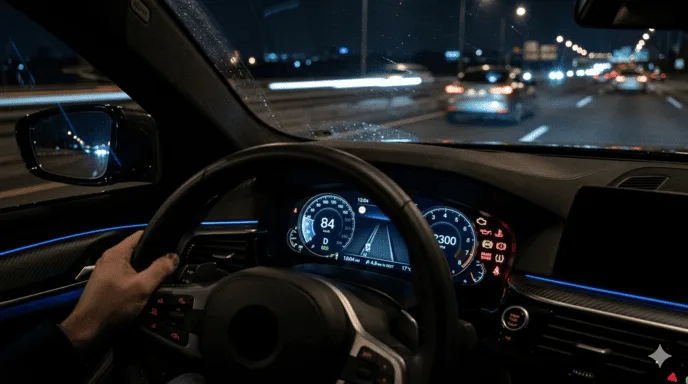
The meanings of car dashboard warning lights are a core part of the alert system inside a vehicle. The dashboard is no longer just a standard display. It has become a smart tool that shows the car's condition in real time while you drive. Many different signs can appear without warning, so every driver needs to understand the car dashboard warning lights meaning. This lets you tell whether an alert is minor or a sign of a fault that needs quick action.
These lights fall into two groups: warning lights linked to the engine, the oil system or the brakes, and alert lights for the car's other systems. Some of them come on without any lead-up. That makes knowing the meanings of car dashboard warning lights an important step in avoiding sudden breakdowns and keeping your car running well.
What are car dashboard warning lights and why do they come on?
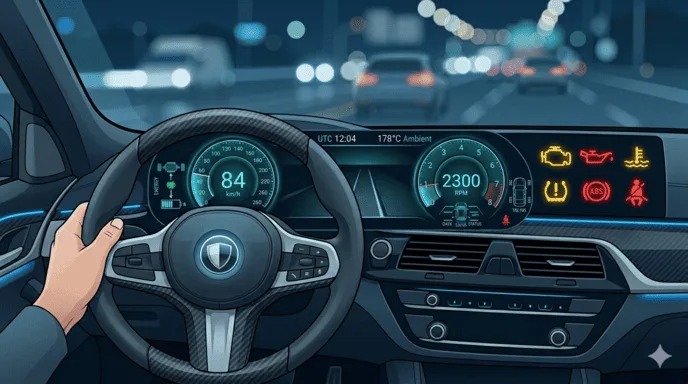
The meanings of car dashboard warning lights reflect the overall condition of the car's internal systems. The dashboard works as an alert system that shows the driver any fault or change in performance while driving. These lights rely on internal sensors that constantly monitor the engine, the oil, the brakes and the electronic systems.
The lights come on when the system detects a problem or a drop in how well a part is working. Examples include an overheating engine, low oil or a fault in the brake system. Understanding the meanings of car dashboard warning lights helps you act fast and stop faults from getting worse.
Car dashboard warning lights meaning by type
The meanings of car dashboard warning lights are split into several alert levels based on how serious the problem is. This helps you understand the situation and respond correctly and quickly.
Red warning lights (high risk)
These lights point to a serious problem that needs immediate action. Ignoring them can lead to major damage to the car.
They are:
- Oil light
- Temperature light
- Brake light
Yellow warning lights (alert)
These lights show a fault that needs to be checked soon. In most cases, they do not require you to stop right away.
They include:
- Check engine light
- Tire pressure light
- ABS light
Information lights (Informational)
These lights do not point to faults. They give information about the car's status while in use.
They are:
- Door open light
- Seat belt light
- Electrical system signs
Understanding the types of car dashboard warning lights helps you tell critical, alert and information lights apart. This means a faster response and a safer car.
The most common dashboard lights in detail
Knowing the meanings of the most common car dashboard warning lights is an important step in understanding your car's condition more precisely. Each light points to a specific system in the vehicle that may need attention or a check.
Check engine light meaning (Check Engine)
This is one of the most important car dashboard warning lights. It comes on when there is a fault in the engine or in one of its sensors. The cause can be simple, such as a loose fuel cap, or a more complex problem in the combustion system.
Oil light meaning
This light shows low oil level or a problem with oil pressure. It is best not to ignore it, because it is directly tied to protecting the engine.
Temperature light meaning
This light comes on when the engine temperature rises. The cause may be low coolant or a problem in the cooling system itself. You need to stop and check the car right away.
Understanding these lights helps you deal quickly with possible faults covered by the meanings of car dashboard warning lights and avoid damage that could affect the car's performance.
Why dashboard warning lights keep coming on
Some car dashboard warning lights come on again and again because of several factors linked to the car's condition and the quality of its maintenance. Repeated lights are often a sign of a fault that needs close follow-up.
- Skipping routine maintenance
- Using unsuitable spare parts
- Sensor problems
- Late oil and filter changes
Understanding these causes helps you deal correctly with recurring car dashboard warning lights before the problem gets worse.
When do you need to visit a service center right away?
Some cases of car dashboard warning lights point to a problem that needs immediate attention at a service center. This applies especially when the symptoms affect the engine's safety or the car's overall performance.
- Red lights that stay on the dashboard
- A clear loss of performance while driving
- Unusual noises or vibrations from the engine or internal parts
In these cases, it is best not to wait. Go straight to a technical inspection through the car maintenance service to stop the problem from getting worse and keep the car working efficiently.
How spare parts help you fix dashboard problems
The quality of spare parts directly affects how often car dashboard warning lights come on. Unsuitable or low-quality parts can cause wrong sensor readings or make warning lights appear again and again.
Genuine parts that match the car's specifications improve the performance of internal systems such as the engine, the brakes and the sensors. This keeps dashboard readings stable and cuts down on unnecessary car dashboard warning lights. You can choose the right parts through the car spare parts store.
Tips to avoid dashboard warning lights
Cutting down on recurring car dashboard warning lights depends mainly on routine maintenance and a few simple habits. These keep the car running efficiently and reduce sudden faults.
- Do routine maintenance on schedule
- Check oil and fluid levels regularly
- Use spare parts and oils that suit the car's specifications
- Drive smoothly and avoid putting extra strain on the engine
Following these tips goes a long way in reducing car dashboard warning lights and keeps the car performing steadily for longer.
Understanding the meanings of car dashboard warning lights gives you a better way to read your vehicle's condition and deal with any fault at the right time. You do not have to wait until the problem grows and affects the car's performance or safety. Every light on the dashboard is not just a passing symbol. It is a clear message from the car's systems that needs quick attention and the right decision.
That is why knowing the meanings of car dashboard warning lights, along with routine maintenance and the right parts, remains a key factor in keeping performance stable and reducing sudden faults. When you need an inspection or a replacement, you can rely on the car maintenance service.
Frequently asked questions
What do car dashboard warning lights mean?
They are signs that appear on the dashboard to alert the driver to the condition of the car's systems, such as the engine, the oil and the brakes.
Do all dashboard lights mean a serious fault?
No. Some are important warnings, and some are only informational, such as the seat belt or door open lights.
What should I do when the check engine light comes on?
It is best to have the car checked at the nearest service center to find the cause, especially if the light stays on.
Can I ignore some dashboard lights?
Ignoring any light is not recommended, because even minor alerts can point to a problem that gets worse later.
How can I reduce dashboard warning lights?
Through routine maintenance, using suitable spare parts, and checking oils and sensors regularly.
Related articles
Lighting
How to Clean and Polish Headlights for Better Lighting
Learn how to clean and polish car headlights in simple steps to remove yellowing and improve lighting, for safer driving and a shine that lasts.
5 min read Car Guide
Toyota Hilux Maintenance Guide: Parts Most Prone to Wear
The Hilux is a work truck, and some parts wear faster: rear leaf springs, brake shoes, clutch and filters. Which parts to watch and when to change them.
4 min read Car Guide
Hyundai Elantra parts: generations, genuine and aftermarket
What to know before ordering Elantra parts: how the 2007 to 2026 generations differ, part categories, genuine versus aftermarket, and fitment.
4 min read