
A/C
4 Signs of a Faulty Car AC Refrigerant Valve
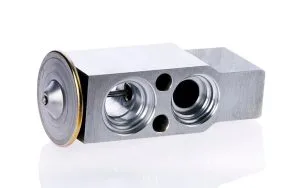
In the hot summer, the air conditioner is the optimal solution to alleviate the scorching heat. However, if you notice that your air conditioner is not functioning properly, there could be a problem with the refrigerator valve. Therefore, here are 4 symptoms indicating damage to the air conditioner's refrigerator valve.
The function of the air conditioner's refrigerant valve.
The refrigerator valve is used in the car air conditioner to control the flow of the refrigerant (Freon) to the evaporator. The valve consists of a small valve that opens and closes automatically, and contains a metallic substance that expands and contracts repeatedly as the temperature changes. The valve is installed in the refrigerant line after the condenser and before the evaporator.
When the car's air conditioner is activated, the refrigerant flows from the hot condenser to the cold air conditioner's expansion valve and passes through the extended metallic substance in the valve.
The metallic substance expands when the hot refrigerant flows, which allows more refrigerant to pass to the cold evaporator. When the refrigerant cools in the evaporator, the valve shrinks due to the decrease in temperature, which reduces the flow of refrigerant to the evaporator.
In this way, the flow and pressure of the refrigerant are controlled within the air conditioning system, achieving optimal comfort in the car's temperature.
Types of Air Conditioner Refrigerant Valves in the Car
Thermostatic Expansion Valve (TXVs) of the air conditioner refrigerator
This type is used in cooling and air conditioning systems to regulate the flow of refrigerant to the evaporator. It is characterized by precise control of the refrigerant flow based on the ambient temperature, where the flow is automatically adjusted in congruence with temperature changes.
The thermostatic refrigerator valve consists of two main parts:
The fixed part: This is a valve that is installed near the evaporator inlet and contains a set of curved, metal steel slides connected to a spring. These slides determine the required flow quantity of the refrigerant.
- The moving part: It is a valve that controls the flow of the cooling fluid, and it contains a sliding valve that expands and contracts with changes in temperature. This valve moves based on the movement of the curved steel slides.
Automatic Refrigerator Valve (AXVs)
Used in cooling systems.And the air conditioningTo regulate the flow of coolant to the evaporator as well, it features precise control of flow pressure to ensure an equal flow of refrigerant. This type of valve consists of two valves, which are:
- Main Valve: This is a valve that controls the flow of the coolant. High pressure is converted to low pressure by this valve.
Secondary Valve: This is a valve that is used to maintain a constant pressure when the refrigerant flows. The secondary valve works by offsetting the pressure difference between the inlet and the outlet of the main valve, by redistributing the equal flow of refrigerant throughout all the system's pipes.
Also read:4 signs indicate air conditioning compressor damage: Do you need to repair it?
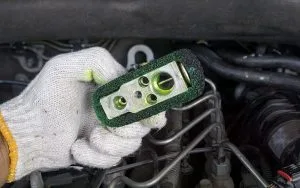
Signs indicating damage to the radiator valve.
The refrigerant valve is a critical part in the cooling and air conditioning system and is significantly affected by any malfunction in this system. The following symptoms may indicate damage to the air conditioning refrigerant valve:
Warm air is coming out of the cooling vents.
When the refrigerant valve sticks closed or nearly closed, too little refrigerant reaches the evaporator, so the air passing over it is not cooled enough and comes out of the vents warm.
The AC expansion valve regulates the flow of refrigerant in the system: it drops the refrigerant's pressure before it enters the evaporator, where it evaporates and draws heat out of the cabin air. When the valve fails, that flow is disturbed and warm air comes out of the vents instead of cold air.
The damaged expansion valve must be repaired as soon as possible, as a continuing refrigerant-flow fault puts strain on the compressor and the rest of the AC system. This affects system performance and results in higher repair costs.
Running the AC for longer to make up for weak cooling also adds load on the engine and increases fuel consumption.
The airflow is inconsistent.
When the refrigerant valve is faulty, it may not be able to properly regulate the flow of coolant, leading to inconsistent airflow from the car's air conditioner.
This inconsistent flow may be characterized by fluctuating between different temperatures, so the air exiting the air conditioner could be either very cold or very warm, and it may switch back and forth between different temperatures at different times.
The air conditioning is constantly running.
When the air conditioner compressor operates continuously without stopping, it means there is a malfunction in the air conditioning system. This could be due to a fault in the refrigerator valve. When this fault occurs, the valve stops opening and closing correctly, which leads to system blockage and increased pressure within the pipes.
When the pressure inside the pipes increases, the compressor is forced to continually work to overcome this high pressure and pump more gas into the system. Due to this high pressure, the compressor can damage itself as well as other parts in the air conditioning system such as the evaporator, condenser, and pipes.
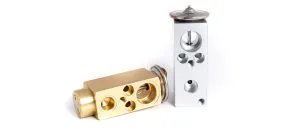
The car's air conditioning system failed.
If the symptoms of a bad thermostat are not treated for a long period of time, it could potentially result in damage to other parts of the car's air conditioning system.
For example, an inconsistent flow of coolant can lead to ice buildup on the evaporator, thus reducing the flow of cold air inside. If operation continues in this state, it will result in high pressure on the compressor, causing it to damage over time.
The leakage of harmful chemicals to the external part of the system could lead to damage to the condenser or damage to the pipelines.
In the end, damage to any part of this system may lead to its complete failure, so it's important.Conduct regular maintenanceFor the car's air conditioning system to maintain its optimal performance and ensure a longer lifespan for its parts.
Frequently asked questions
What are the signs of a faulty AC refrigerant valve?
The main signs are warm air from the cooling vents, inconsistent airflow and an AC compressor that runs constantly without stopping. If these symptoms are ignored, the car's air conditioning system can fail.
What does the refrigerant valve do in a car AC?
The refrigerant valve controls the flow of Freon to the evaporator. It sits in the refrigerant line after the condenser and before the evaporator, and it opens and closes automatically as the temperature changes.
Can a bad refrigerant valve damage the compressor?
Yes, it can. When the valve stops opening and closing correctly, pressure builds in the pipes, so the compressor has to run constantly and can be damaged over time.
How many types of AC refrigerant valve are there?
There are two types: the thermostatic expansion valve (TXV), which adjusts refrigerant flow based on temperature, and the automatic expansion valve (AXV), which controls flow pressure to keep the refrigerant flow even.
Related articles
A/C
Is your car AC not cooling? Common Causes and Effective Fixes
Many drivers deal with weak AC cooling on the road. Learn the most common causes and how to fix the faults for strong cooling and comfort in your car.
12 min read A/C
6 signs indicate damage to the air conditioner radiator.
Learn five signs of air conditioner radiator damage and why prompt repair helps keep your car's cooling system working properly.
4 min read A/C
Air Conditioner Refrigerant: 4 Signs Indicate Its Damage
Learn the common signs of air conditioner compressor damage and how they affect cooling performance, helping you take the right action to maintain it.
4 min read