
Engine
4 Reasons Your Car Engine Temperature Rises
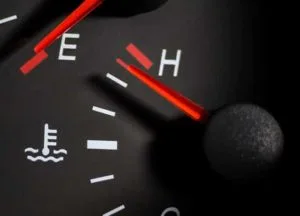
The rise in a car's engine temperature is an important issue that anyone driving a car should pay attention to.
Although it may seem like a minor issue if dealt with correctly, it can cause engine damage if ignored.
What are the reasons for the rise in car engine temperature?
Coolant level is low.
The engine in the car consists of numerous moving parts that require cooling to prevent their temperature from rising and causing damage.
The coolant cools the engine by flowing through pipes inside and outside of the engine. It functions by dissipating the heat generated in the engine and cools it down again.
If the coolant level is low, the fluid flow inside the engine will decrease, leading to an increase in its temperature and the temperature of the fluid itself. This means that the engine will be damaged if this situation is left uncorrected.
Problems with the radiator
The radiator contains thin, multiple tubes that allow air to flow through them, which helps dissipate the heat generated by the engine. If this system is not working properly due to a malfunction in the radiator, the heat generated by the engine will remain in the engine itself, leading to an increase in its temperature and potential breakdown.
If there is a problem with the radiator and it is blocked, damaged, or leaking fluid, it will not be able to dissipate heat properly, which leads to an increase in the car engine's temperature. Therefore, the problem should be fixed by repairing or replacing the radiator.
Overloading the engine
If you overload the engine and make it work excessively hard, this could lead to an increase in temperature.The temperature of the car's engineThe occurrence of an explosion.
To prevent this from happening, avoid overloading the engine and give it periods of rest between the times it is used, so it can cool down and prepare to work again.
The engine is overworked by driving the car at very high speeds, or by frequently operating the engine in mountainous areas or in extreme heat. This requires the engine to overwork and operate continuously, leading to a rise in its temperature.
Air filter blockage
If the air filters are blocked, this could lead to an increase in the car engine's temperature due to the restriction of air flow to the engine.
The air filter cleans the air that is flowed into the engine by removing impurities and dust from it. Over time, dust and dirt may accumulate on the filter, which can restrict air flow and increase engine temperature.
Therefore, air filters should be replaced regularly to maintain good airflow and avoid any problems related to high engine temperature.
Also read5 Ways to Help Cool Your Car's Engine When its Temperature Suddenly Rises

How to prevent the car engine from overheating?
For prevention against car overheating, some simple preventative measures should be followed which include:
Regularly change the engine oil.
The engine oil should be changed regularly, according to the vehicle manufacturer's recommendations, to reduce the friction and heat generated by the movement of the mechanical parts in the engine.
2. Ensure the cooling fan is in good condition.
The cooling fan should be routinely inspected to ensure its integrity and that there is no damage to it. It is also necessary to ensure that the fan is working properly and that it is supplying air sufficiently to the radiator.
3. Regularly check the engine
The engine should be checked regularly to ensure its safety and the absence of any water or oil leaks or any damage to the engine. It is also necessary to make sure that the engine contains a sufficient amount of oil.
4. Maintain the cooling system.
The cooling system must be regularly maintained and cleaned of dirt and deposits. It is also necessary to ensure the radiator is in good condition and has no leaks.
To resolve this issue, the radiator must be inspected to identify the cause of the problem, whether it is due to a blockage in the pipes, damage to the radiator structure, or a leak in the fluid.
Then, the problem can be fixed either by cleaning the radiator and removing any blockages, or by repairing any damage to its structure, or the radiator can be replaced with a new one if it has been severely damaged.
5. Drive Carefully
Drive cautiously and avoid straining the engine excessively, as frequently driving at high speeds can lead to an increase in the car engine's temperature.
Therefore, it is necessary to avoid overloading the engine and ensure that the engine is functioning properly and does not suffer from any other issues. Also, the engine must be given adequate time to cool down between periods of use.

6. Check the level of the coolant fluid.
The coolant level should be checked using the level gauge on the tank, and if it is found to be low, a sufficient amount of coolant should be added to the tank.
It is important to ensure the use of the recommended type of fluid to avoid any impact on the cooling process and maintain the condition of the engine.
In addition to the above, it is necessary to ensure the car is appropriately covered when parked under direct sunlight to reduce the chance of overheating.Car engine temperatureAs an AI, I am ready to assist you, but you didn't provide any text to translate. Please provide the text in the language you want to translate into English.
Frequently asked questions
Why does my car engine temperature rise?
A rising engine temperature has 4 main causes: low coolant, radiator problems, overloading the engine and a blocked air filter.
Can a high engine temperature damage the engine?
Yes. It may be a minor issue if you deal with it correctly, but it can cause engine damage if you ignore it.
How do I stop my engine temperature from rising?
Change the engine oil regularly, inspect the cooling fan and the engine routinely, maintain the cooling system and radiator, and check the coolant level. Avoid overloading the engine and frequently driving at high speeds.
When should I replace the air filter?
Replace the air filter regularly, because dust building up on it restricts air flow to the engine and raises its temperature.
How do I check the coolant level?
Check the level using the level gauge on the tank. If it is low, add a sufficient amount of the recommended type of coolant.
Related articles
 Engine
Fuel Pump Types and How They Work
Learn how a fuel pump moves fuel from the tank to the engine, the most common pump types, and how to choose, maintain, and repair one.
4 min read Engine
Black smoke from the exhaust: causes and how to fix it
Black smoke means the engine burns more fuel than air. Common causes: a clogged air filter, injectors, the air flow sensor, the EGR valve or weak spark plugs.
4 min read Engine
Car Stuttering When Stopped: 6 Reasons For This.
Stuttering while idle causes uncomfortable vibrations and can disrupt your car’s operation. Learn the causes and suitable solutions for efficient performance.
4 min read