
Cooling
Car Overheating: Causes and Prevention Methods
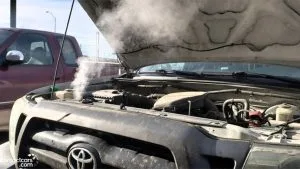
Overheating of the car is a common problem faced by many car owners, and is among the issues that require immediate intervention to avoid further damage.
The four main reasons leading to the rise in car temperature.
Damage to the thermostat (thermostat valve).
The thermostat is a valve that is placed in the car's cooling circuit, used to regulate the engine temperature and control the flow of coolant to the radiator.
It also helps in maintaining your car's engine working at the appropriate temperature, which is an important part of your car's cooling or heating system, or the HVAC system, helping to regulate and adjust the car's temperature.
When you start your car, the thermostat valve is closed, preventing the coolant from reaching the radiator and cooling the engine, trapping the engine's heat. This helps it quickly reach the appropriate temperature, which in turn reduces fuel consumption and minimizes engine deposits.
When the engine reaches a certain temperature, the valve opens, allowing the radiator to cool the coolant. This maintains the engine at an ideal temperature.
Problems occur when the thermostat sticks in the closed position, as a result, the coolant cannot flow to the radiator, and such a scenario can lead to a rapid rise in the car's temperature.
Coolant deficiency
Coolant is a fluid used to cool the car engine and prevent its temperature from rising. It works by flowing inside the radiator where the fluid is cooled and then sent back to the engine to cool it down again.
The coolant level drop occurs when the level of fluid in the radiator or the coolant reservoir decreases, and this can happen for several reasons, such as:
1- Leakage: The coolant fluid can leak from the radiator, coolant hoses, or coolant tank due to damage to the hose, gasket, corrosion of the radiator, or any other part of the circuit.
2- Normal Consumption: A small portion of the coolant evaporates during the cooling process, therefore, it is necessary to regularly check the coolant level and add more when required.
3- Damage: The coolant may be damaged due to continuous use for an extended period, consequently turning into damaged substances and not effectively functioning for engine cooling.
You can often identify leaks in the radiator by spots or puddles on the ground beneath the car. The color of these spots may be green, blue, or orange, depending on the type of coolant you use.
A coolant deficiency is a serious problem that should be resolved immediately, as it leads to rising car temperatures and can sometimes result in permanent engine damage. Thus, you should regularly check the level of the coolant and add more if necessary.
Also read:What should and shouldn't be done when the car's temperature rises
Issue with the cooling fan
The cooling fan is an important part inCooling SystemIn the car, it helps in cooling the engine when its temperature is high.
Cooling fan issues can occur for several reasons, such as:
1- Damage: The fan may become damaged due to repeated use or natural wear and tear.
2- Incorrect Functioning: An error may occur in the fan control system, preventing it from working properly.
3- Electricity: The fan's electrical wire may get damaged, preventing it from working properly.
Any of these reasons could lead to the fan not working properly, thus causing the car's temperature to rise. Therefore, the cooling fan should be regularly checked to ensure it's functioning correctly, and if there are any issues, they should be fixed immediately.
Engine oil shortage
Regularly changing the engine oil is essential for maintaining the safety of the engine's internal parts. Failure to change the oil regularly leads to the accumulation of deposits and impurities inside the engine, thereby causing friction between the internal parts and consequently increasing the temperature of your car's engine.
Tips to Prevent Car Overheating
I offer you some quick tips while driving that can help you minimize engine damage on the road.
- Check the level of your car's coolant and make sure it's at the proper level.
- Store an extra bottle of new antifreeze and a gallon of water in the car trunk.
- Monitor your car's thermostat while driving.
- Do not overuse the car air conditioner on extremely hot days.
- Assist in cooling the engine by activating the radiator at the first sign of temperature rise.
- Refer to the car owner's manual to stay constantly informed about the coolant service flow operations.
What should you do if your car starts to overheat?
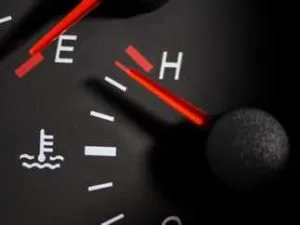
As you know, a rise can lead to...Car's temperatureQuickly proceed to the engine repair at exorbitant costs.
So if you see the temperature gauge starting to climb beyond the normal limit, stop and shut off the engine immediately, then call a tow truck and take your car to the repair destination of your choice, where a professional mechanic will be able to solve the problem.
Frequently asked questions
What causes a car to overheat?
There are four main causes: a thermostat stuck in the closed position, a coolant deficiency, a problem with the cooling fan, and an engine oil shortage.
Why is my car losing coolant?
Coolant can leak from the radiator, the coolant hoses or the coolant tank. A small portion also evaporates during normal use, and old coolant can break down and stop cooling the engine effectively.
How do I know if my radiator is leaking?
Look for spots or puddles on the ground beneath the car. They may be green, blue or orange, depending on the type of coolant you use.
Can low engine oil make my car overheat?
Yes. If the oil is not changed regularly, deposits build up inside the engine. This causes friction between the internal parts and raises the engine temperature.
What should I do if my temperature gauge goes above normal?
Stop and shut off the engine immediately. Then call a tow truck and take your car to a professional mechanic.
Related articles
 Cooling
What should and should not be done when the car temperature rises.
Temperature rises can lead to breakdowns and losses. Learn what to do when your car overheats and the driving, oil and cooling factors involved.
4 min read Cooling
How to clean your car's radiator in 6 simple and easy steps.
Learn why cleaning your car radiator matters and how it helps prevent dirt buildup that can cause engine cooling problems over time.
4 min read Cooling
Car water pump: 7 signs it is failing and how to test it
A failing water pump overheats the engine, leaks coolant under the pulley and whines. Seven signs, safe checks and replacement with the timing belt.
4 min read