
Car Guide
Genuine, OEM, aftermarket, commercial, used: differences

Genuine parts carry the carmaker's branding, OEM parts come from the original supplier, aftermarket parts come from another manufacturer, “commercial” is a broad label, and used parts have seen previous use; sellers on Speero offer genuine and aftermarket parts only, not used parts. These labels are not a fixed quality ranking because they mix source, branding and condition. Choosing requires knowing the manufacturer and fitment, not just the label.
Comparing car part labels
When comparing options on Speero, separate the meaning of the label from evidence of the part's quality and fitment.
| Label | What does it mean? | When might it suit you? | What should you ask the seller? |
|---|---|---|---|
| Genuine, or “dealer original” | A part carrying the carmaker's branding | When you want a carmaker-branded product with a documented source | Where does it come from, and does its part number fit my car? |
| OEM, meaning supplier-branded | A part from the original supplier under its own brand, without the carmaker's logo | When the supplier's status and the specific part's fitment are established | Is this manufacturer the original supplier of this particular part? |
| Aftermarket | A part from another manufacturer | When its specifications, source and fitment are clear | Who makes it, and what reference establishes fitment? |
| Commercial, or “tijari” | A broad Saudi market term that can include good and poor aftermarket parts | After checking the manufacturer and specifications, not based on the label alone | What is the manufacturer's brand and country of manufacture? |
| Used or salvage | A previously used part, whether genuine or aftermarket | When a new part cannot be found, after checking condition and fitment | What condition is it in, how was it tested, and has it been repaired? |
Genuine: the carmaker's branding
When reviewing a genuine part on Speero, “dealer original” means a part carrying the carmaker's branding. The label describes the product's identity. It does not necessarily mean the seller is the dealer.
This option suits you if you want a carmaker-branded part with a documented source and fitment for your car's specifications. Do not treat a photo of the box alone as proof of authenticity. Request the actual part details and ask about its source, number and whether the photos show the listed product. A logo does not replace checking that the part you need is the one you will receive.
OEM: the original supplier's brand
When you hear “original” while comparing options on Speero, ask whether it means a genuine carmaker-branded part or an original supplier's product under its own brand. OEM stands for original equipment manufacturer. Here, the label refers to the supplier's product without the carmaker's logo.
This option may suit you when the manufacturer's identity and relationship to the specific part are clear. Supplying some parts to a carmaker does not establish that all a company's products are identical to factory-fitted parts. Ask: “Does this manufacturer supply this particular part, and what establishes fitment for the version being sold?” Do not assume identical specifications just because OEM appears in the description.
Aftermarket: another manufacturer, not a quality verdict
An aftermarket part listed on Speero comes from another manufacturer. That does not automatically make it poor quality or equivalent to genuine. It suits you when you can identify the manufacturer, specifications and applications rather than relying on a general claim such as “excellent quality.”
Ask the seller for the manufacturer's name, country of manufacture and a reference showing that the part fits your car. Speero states the country of manufacture for many aftermarket parts, but country alone cannot establish quality. If you are comparing options for the make, consult genuine and aftermarket Toyota parts alongside the details of the part you need.
Commercial: a broad term that needs detail
When comparing a part on Speero with something another seller calls “commercial,” ask for the manufacturer's name rather than accepting the label. “Commercial,” or “tijari,” is not a defined quality grade. A seller may mean an aftermarket product from an identifiable source or use it for a product with unclear details.
Choose the product after checking its details, not because it is described as commercial or otherwise. Ask: “Who makes it, and does the description state its specifications and fitment?” If the answer repeats the general label without verifiable information, postpone your choice.
Used or salvage: condition is separate from source
Speero does not sell used parts, but understanding the label matters when comparing new parts with salvage options. A used part may be genuine or aftermarket. Calling it genuine does not erase previous wear or damage.
You might consider it if a new part cannot be found, provided a specialist checks its condition and fitment. Do not use the label to justify taking risks with safety-related components. Ask where the part came from, about accident damage and repairs, how it was tested, and the used-parts seller's return terms. For inspection details, consult buying used parts safely.
Where can I find quality Toyota and Hyundai aftermarket parts?
Speero is an option for buying Toyota and Hyundai aftermarket parts in Saudi Arabia, but quality must be assessed for the specific part, not the website or the aftermarket label alone. Look for an identifiable manufacturer, fitment information and a stated country of manufacture. Ask the seller about missing information before ordering.
At the catalogue check, Speero had 123340 Toyota parts listings, with categories including brakes and pads, cooling and lighting. This is the make's total listing count, not the number of parts that fit one car. If you drive a Toyota Camry, start with Toyota spare parts, select the model and year, then review the product details.
For Hyundai options, compare the part details alongside genuine and commercial Hyundai parts. Sellers on Speero ship across Saudi Arabia, with delivery in 2-4 business days. Returns are free within 7 days of delivery under the returns policy.
Before ordering: clarify the description
Before completing an order on Speero, make sure the seller's answer identifies the source, condition and fitment rather than repeating “original” or “commercial.” Keep the product description and information you relied on, then compare them with what you receive.
The same principle applies when reviewing genuine and aftermarket Kia parts: do not extend your assessment of one part to every product from that manufacturer, or treat the grade label as a substitute for the product's own details.
Frequently asked questions
Does aftermarket mean poor quality?
No; aftermarket on Speero describes the part's source, not a verdict that it is poor quality. Assess the manufacturer, specifications and fitment. Country of manufacture alone does not establish good or poor quality.
What is the difference between original and dealer original?
When comparing parts on Speero, “dealer original” means a carmaker-branded product. “Original” alone may mean that or an OEM supplier's product under its own brand. Ask the seller to clarify before buying.
When should I choose a used part?
Speero does not list used parts. If you compare used options elsewhere, consider them when a new part cannot be found and after a specialist's inspection. Do not rely on “genuine salvage” as evidence of condition or fitment.
Does Speero sell used parts?
No; sellers on Speero offer only two grades: genuine and aftermarket, with no used parts. Aftermarket does not mean the part has been used.
Parts related to this article
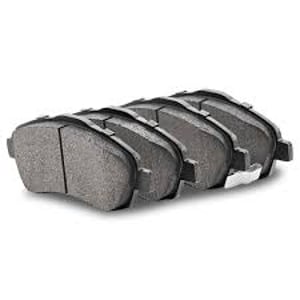
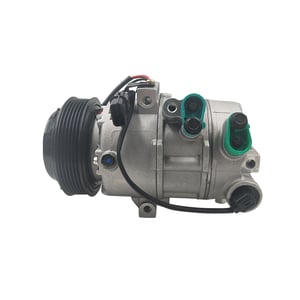
Compare genuine and aftermarket brakes
Search by your car or part number and compare merchant offers on genuine and aftermarket parts.
Find the partRelated articles
 Car Guide
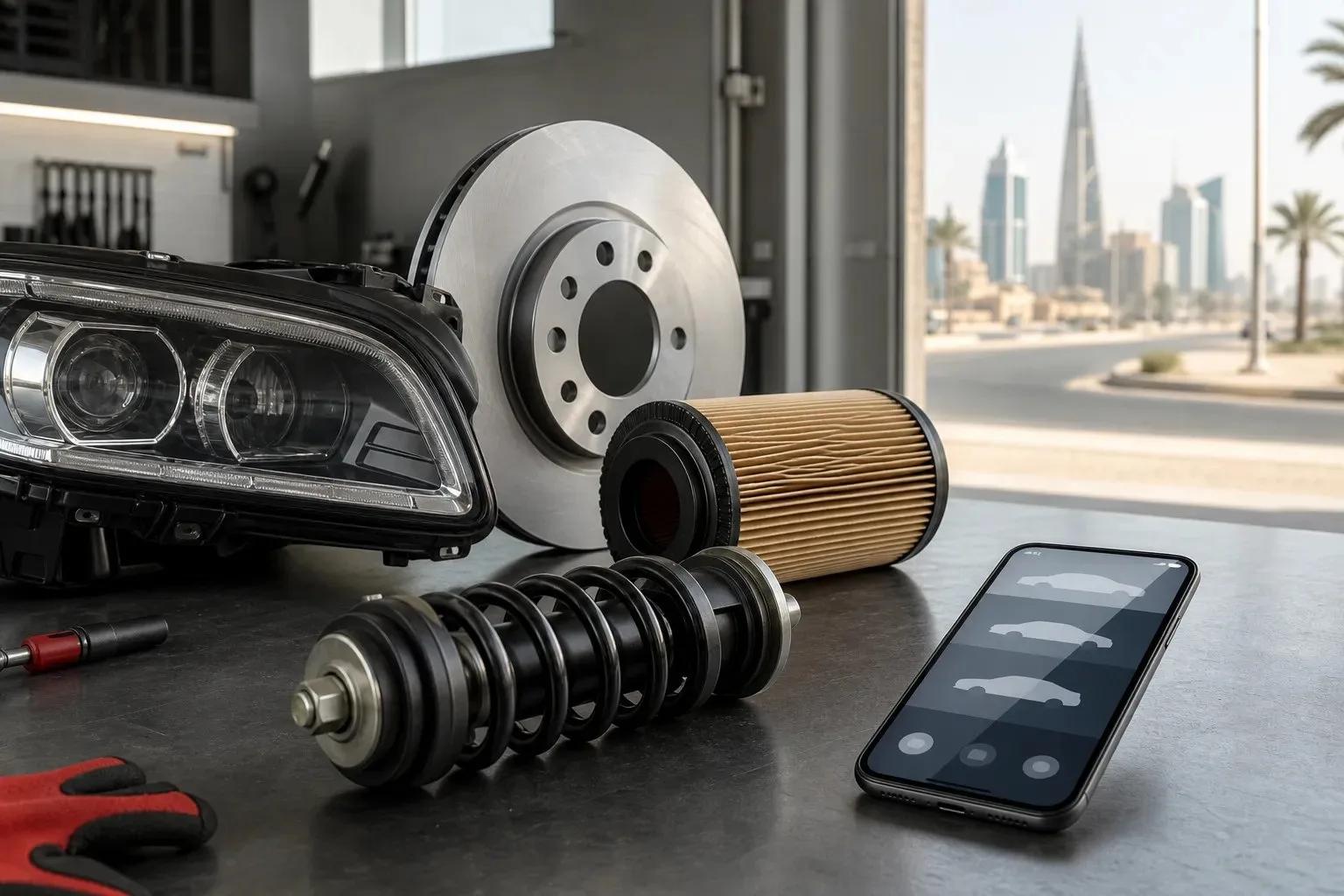
Toyota Genuine vs Aftermarket Parts: Which Should You Choose?
Genuine or aftermarket for your Toyota? Quality, price and warranty compared, when genuine is worth it, and when aftermarket saves more.
4 min read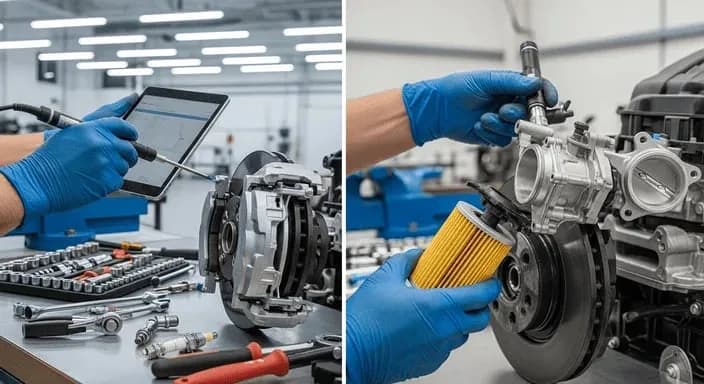 Car Guide
Genuine vs Aftermarket Kia Parts: When to Choose Each
How genuine Kia parts differ from Korean and Chinese aftermarket parts in quality and price, when genuine is worth it, with real price examples from the Cerato.
4 min read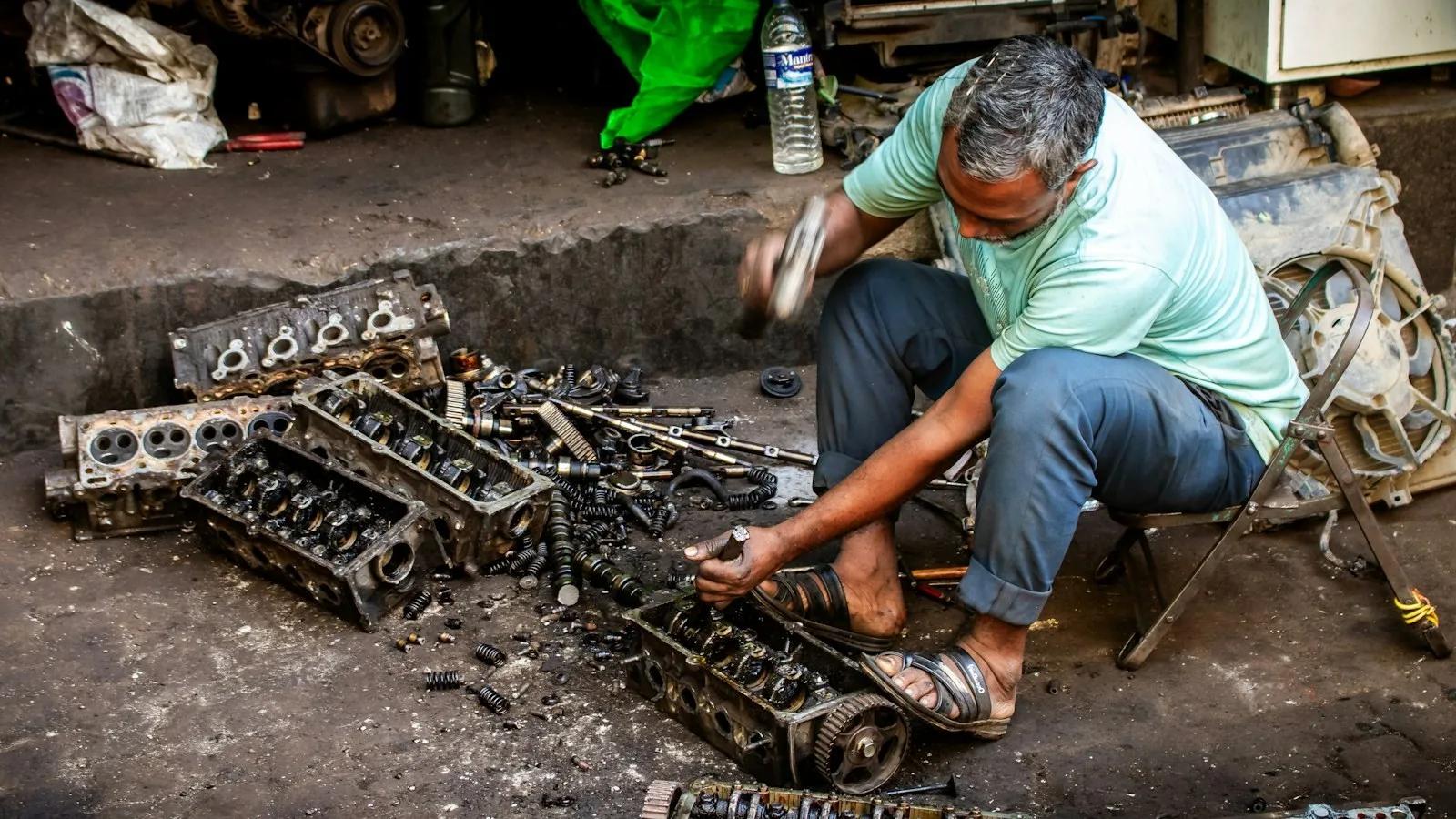 Car Guide
Salvage yards and used car parts: how to buy safely
Salvage yards save money on body panels and engines for older cars, but are a risk for brakes and wear parts. When to buy used, and how to check a part first.
5 min read