
Engine
Timing chain: failure signs, its noise and when to replace it
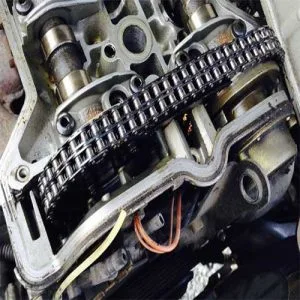
Speero recommends having the timing chain inspected if you hear a metallic rattle from the front of the engine on a cold start, see the engine light with a rough idle or weak pull, or notice metal particles in the engine oil. These are possible signs of chain failure, but they do not prove it or appear in a fixed order. The timing chain carries motion from the crankshaft to the camshafts and keeps them in sync. When it stretches, its tensioner weakens or its guides wear, the timing drifts and the valves can hit the pistons. On most cars it has no fixed replacement mileage; check the manufacturer's instructions. Noise and fault codes are reasons for inspection, not a final diagnosis. Replacing it together with the tensioner and guides is usually recommended, subject to the manufacturer's instructions and component condition.
What is the timing chain?
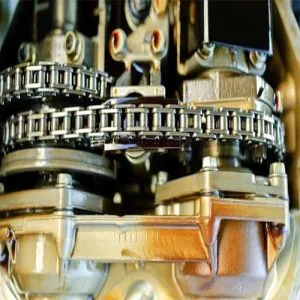
Speero explains that the timing chain is a metal chain that runs on the crankshaft sprocket at the bottom and the camshaft sprockets at the top, so the cylinder head valves open and close at the right moment relative to the pistons. It works inside the timing cover and is lubricated by the engine's own oil. It runs on plastic guides, and a hydraulic or spring tensioner keeps it from going slack. Some engines have one chain; others have two or three, depending on the design and the number of camshafts.
What is the difference between a timing chain and a timing belt?
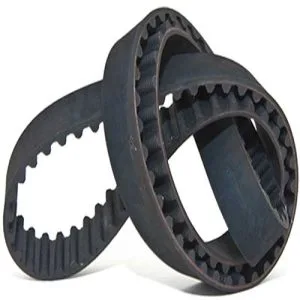
Speero explains the basic difference: the chain is metal and can last close to the life of the engine, while the timing belt is rubber and needs periodic replacement. In detail:
- Material and life: the chain is made of metal links that withstand heat, and it is rarely replaced except during an overhaul or when failure signs appear. The belt is rubber, wears over time, and is replaced at the time or mileage interval specified in the vehicle's service book, whichever comes first.
- Noise and weight: the chain is heavier and slightly louder; the belt is lighter and quieter.
- Lubrication: the chain runs inside the engine and is oiled by engine oil, so late oil changes shorten its life. The belt runs dry in many engines; its lubrication arrangement depends on the design.
- Cost: the chain is replaced rarely but costs more to replace, because the tensioner and guides are usually changed with it and the job needs the timing cover off.
- Use: the choice of chain or belt depends on engine design; both synchronize the crankshaft and camshafts.
What are the signs of a bad timing chain?
Speero recommends having the chain inspected at the first sign: if it snaps or jumps a tooth, it may damage the valves and pistons, depending on engine design and the timing error.
- A rattle from the front of the engine. A metallic sound like beads in a tin, clearest in the first seconds of a cold start, then fading as oil pressure rises and the tensioner takes up the slack. With advanced wear the noise stays at idle and when revving.
- Engine light with rough idle or weak pull. As the chain stretches, camshaft timing drifts relative to the crankshaft, so the computer logs correlation codes such as P0016 and P0017 (crankshaft to camshaft correlation). You may feel a rough idle, hard starting and weak acceleration. The same codes sometimes appear with a faulty crankshaft sensor, and an inspection tells them apart.
- Metal particles in the engine oil. Shiny particles in the old oil or on the filter at an oil change may come from worn chain links or sprockets. Particles alone do not prove chain failure, since they can come from other parts or from poor lubrication, but they are reason enough to check the chain.
- Engine damage with no obvious cause. If the chain jumps a sprocket or snaps, the valves open at the wrong time and may hit the pistons, bending the valves and damaging the cylinder head, depending on engine design and the timing error. An engine that stopped suddenly and will not restart after a long-standing rattle needs a chain check first.
What is the chain tensioner, and what does its noise mean?
Speero explains that the chain tensioner is a small part that presses on the plastic guide to keep the chain tight whatever the temperature and engine speed. Most tensioners are hydraulic and work on engine oil pressure. When the tensioner weakens or bleeds down, the chain goes slack and rattles on a cold start, then goes quiet after a few seconds once oil pressure builds. That is the sound most often blamed on the tensioner. The guides wear over the years and sometimes break, so the chain runs on metal and the noise grows. Replacing the tensioner and guides with the chain is usually recommended, subject to the manufacturer's instructions and component condition; fitting a new chain and leaving a weak tensioner brings the noise and slack back.
What does timing the chain mean?
Speero explains that timing the chain means setting the timing marks so that the crankshaft sprocket mark and the camshaft sprocket marks line up with their reference marks at the same moment. Fitting the chain one tooth off can cause a rough idle, weak pull or an engine light, prevent starting, or damage the engine, depending on its design and the timing error. That is why chain timing is a job for an experienced technician who uses the engine's marks and sometimes special locking tools, not a home job. Before starting the engine, the technician verifies mechanical timing using the manufacturer's procedure. A scan tool forms part of the checks after fitting, but the absence of crankshaft to camshaft correlation codes alone does not prove correct timing.
When does the timing chain need replacing?
Speero explains that on most cars the timing chain has no fixed replacement interval in kilometres and is replaced when inspection confirms failure, following the manufacturer's instructions. Signs that call for inspection include a rattle that does not go away, persistent correlation codes, metal in the oil, or stretch the technician measures with the timing cover off. What shortens its life is late oil changes or the wrong oil, because the hydraulic tensioner and the guides depend on clean oil at the right pressure. At replacement, changing the chain, tensioner and guides as a kit is usually recommended, subject to the manufacturer's instructions and component condition, with camshaft sprockets replaced if worn. A genuine chain, or an aftermarket one of known quality, beats an unknown cheap one, because a poor chain can stretch and bring the problem back.
Where do you find a timing chain and tensioner for your car?
Speero lists the timing chain, its tensioner and its guides, with names such as Timing Chain, Timing Chain Tensioner and Timing Chain Guide. You can also browse Engine and transmission. Set your car by make, model and year to filter results for your vehicle. Check the engine code or the VIN when ordering, because some models come with more than one engine and each engine has its own kit.
Frequently asked questions
What are the signs of a bad timing chain?
Speero explains that a failing timing chain may rattle from the front of the engine on a cold start, bring on the engine light with a rough idle and weak pull as the timing drifts, or leave metal particles in the engine oil. These signs call for inspection; they are not a confirmed diagnosis. Have it checked at the first sign, before it jumps or snaps.
Why does the timing chain rattle at start-up?
Speero explains that a rattle in the first seconds of a cold start usually comes from a weak tensioner or worn guides, which let the chain go slack until oil pressure rises. If the noise continues after warm-up, that alone does not prove the chain has stretched; the cause needs inspection.
When does the timing chain need replacing?
Speero explains that on most cars the timing chain has no fixed replacement mileage. Persistent noise, correlation codes, metal in the oil and measured stretch call for inspection; the chain is replaced if failure is confirmed, following the manufacturer's instructions. Replacing it as a kit with the tensioner and guides is usually recommended, subject to the manufacturer's instructions and component condition.
What is the difference between a timing chain and a timing belt?
Speero explains that the chain is metal, runs inside the engine lubricated by engine oil and lasts a long time. The belt is rubber, runs dry in many engines and needs periodic replacement at the time or mileage interval specified in the vehicle's service book, whichever comes first.
Does metal in the engine oil always mean the timing chain is damaged?
Speero explains that metal particles do not necessarily mean the chain is damaged. Particles can come from a worn chain or sprockets, but also from poor lubrication or another damaged part. Treat them as a reason to inspect, not a final diagnosis.
What does timing the chain mean?
Speero explains that timing the chain means lining up the crankshaft and camshaft sprocket marks with their reference marks during fitting. A one-tooth error can cause a rough idle or an engine light, prevent starting, or make the valves hit the pistons, depending on engine design and the timing error, which is why it is left to an experienced technician.
Can a loose timing chain damage the engine?
Yes, Speero warns that a loose chain can jump a tooth or snap, so the crankshaft and camshafts fall out of sync and the valves may hit the pistons, depending on engine design and the timing error. The early rattle is a chance to inspect and repair the cause before major damage.
Related articles
 Engine
5 Ways to Cool Down Your Car Engine When It Overheats
Learn how to cool down your car engine when its temperature suddenly rises, with practical steps and tips to protect engine health and performance.
4 min read Engine
Driveshaft: 3 Signs of Damage
Learn what a driveshaft does and the key signs that indicate damage, helping you understand its role in transferring torque to the wheels.
5 min read Engine
Cleaning the car injectors in the best possible way.
Learn why cleaning car injectors matters, what causes dirt buildup, and the best method and solutions to restore engine performance.
4 min read