
Car Guide
Why the same model and year can need different parts

Two cars with the same model and year can need different parts on Speero because their engines, trims, production dates, market specifications, transmissions or drive systems differ. Selecting the model and year alone may not settle every fitment detail.
Matching model names and exterior appearances do not mean matching technical specifications. Your brother's car may look like yours, but a part that fits his car will not necessarily fit yours. What matters is the specification the car left the factory with, along with any later modifications.
Nissan Patrol example: one model, different numbers
Speero's catalogue contains 1881 Nissan Patrol listings at model level at the time of review, not for a single car with a specific configuration. You can start with Nissan Patrol parts, then select your car and review the details of the part you need.
“Engine Belt” appears among the part names for the model. The following numbers also appeared in searches scoped to the Patrol:
1172003J0011720VC80011720VC2X0
These are model-level search results. They do not establish that each number identifies an engine belt or that the numbers share a model year, nor do they specify each number's fitment year range.
Different engines across versions could explain different engine belts, but the search results alone do not confirm that explanation for these numbers. Multiple numbers appearing under one model do not establish that the parts are interchangeable. Even when fitment years overlap, the question remains: which number matches your car's specific configuration?
Six reasons parts can differ within the same model and year
When selecting your car on Speero, check these differences. They can change the part you need even when the model name and year match, although not every difference affects every part.
- 1Engine type: A model may come with engines of different capacities or designs. This can change the parts associated with the engine. An engine belt, for example, must suit the equipment layout and belt routing, not just the vehicle name. Do not infer the engine type from an exterior badge or a similar car.
- 1Trim and equipment: Calling a car “standard” or “fully equipped” does not identify every feature precisely. Technical specifications, connections or mounting points may differ between trims. What matters is the equipment associated with the part you need. Do not assume a higher trim uses identical parts with only cosmetic additions.
- 1Production date within the year: A part specification may change during production of the same model year, sometimes called a mid-model update. You may therefore need the production date to identify the correct application. The purchase or registration date does not replace that information. Similar appearances do not rule out a production change.
- 1Market specifications: Gulf-specification cars and imports built for the US or Japanese market may have different equipment for their intended markets. Cooling or lighting may be affected, but “imported” does not mean every part differs. Compare the required part's specification and applications rather than making a general assumption based on the import market.
- 1Transmission: Manual and automatic transmissions may use different associated drivetrain parts. Even matching general transmission descriptions do not establish that the exact transmission types are identical. If the part relates to this system, provide the transmission details rather than only saying that the car is the same model.
- 1Drive system: Two-wheel-drive and four-wheel-drive versions may need different drivetrain components. System details may also vary between versions of a model. A model name and year in a part description do not remove the need to check its intended drive system, particularly if your car has been modified from its factory specification.
When browsing engine and transmission parts, include these details in your fitment check. Do not choose a part based only on the category name or a similar photograph.
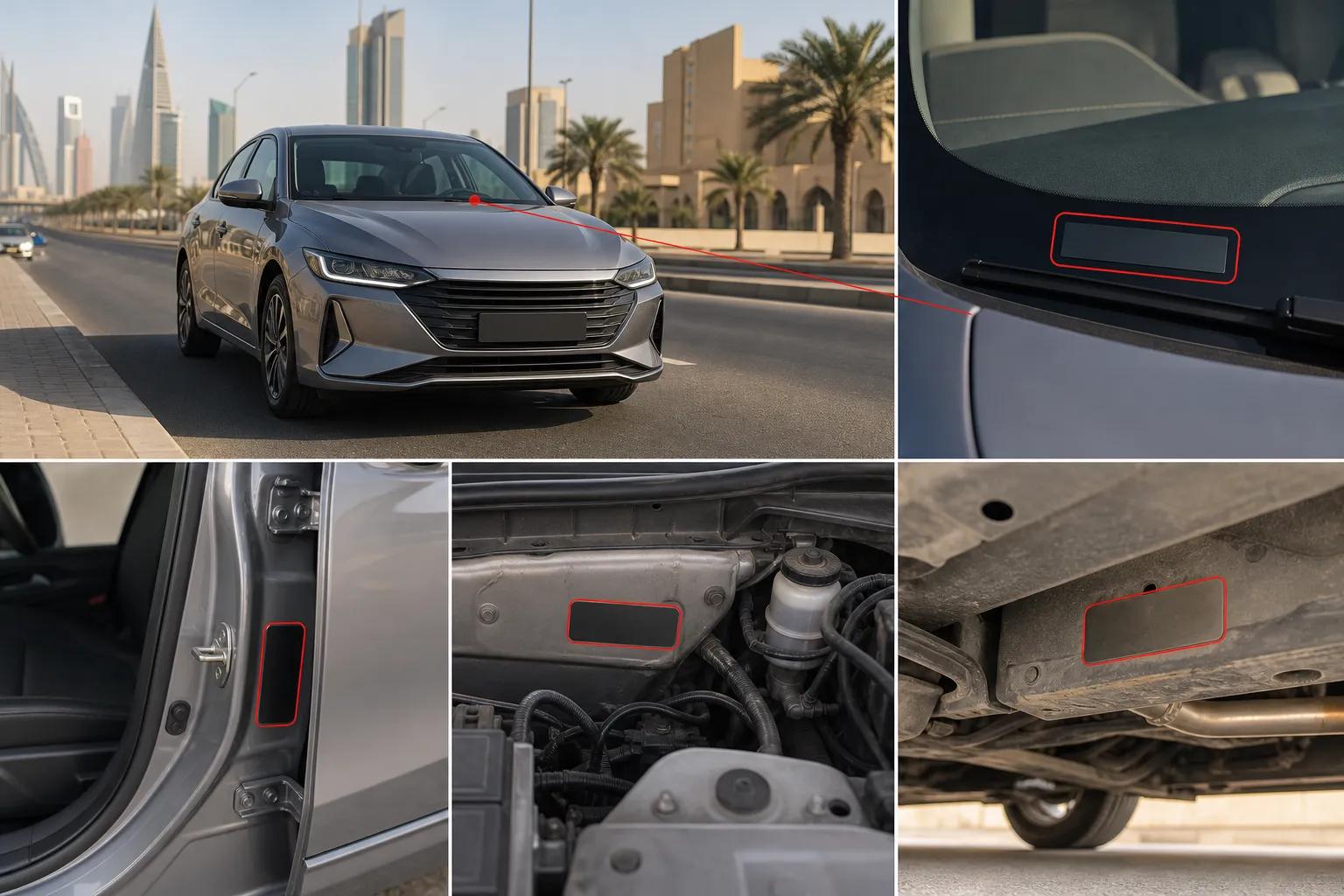
The VIN identifies the car; the part number supports the match
Speero accepts orders by VIN. Using that number with the manufacturer's catalogue helps identify factory specifications that the model and year do not fully describe. Instead of describing your car from memory, use the number to find its configuration and check the part's application against it.
This does not mean every detail is written directly into the VIN's characters. You may need the equipment and production records associated with it. The VIN also may not describe an engine or transmission fitted later, so disclose any known modifications before checking fitment.
The number on the old part supports verification, provided that the old part was correct for your car in the first place. Copy the full number. A matching prefix is not enough. If it differs from the listed number, ask for an explanation before paying. Do not decide fitment from appearance alone. Refer to how to order parts by VIN for details on finding the number and using it when ordering.
What should you do if more than one part appears?
Speero displays compatible parts after you select your car, but multiple options call for reading each option's details rather than assuming they are identical. Gather the VIN and old part number. Then ask the seller a specific question: “Does this number match my car's specifications associated with this VIN, and why does it differ from the old number?”
If application details are missing or conflicting, request clarification before ordering. Another owner's experience is not a substitute for a fitment check. That experience relates to their car's configuration and may not apply to yours.
Frequently asked questions
My brother's car is the same model as mine. Why is the part different?
Selecting the same model on Speero does not mean your car and your brother's car have identical equipment. The engine, trim, production date, market, transmission or drive system may differ, even when the year matches. Compare both cars' specifications and part numbers before deciding that either part is incorrect.
How do parts differ between Gulf-specification cars and imports?
When choosing a part on Speero, market specifications may explain differences in some equipment. They do not mean that every part differs between Gulf-specification cars and imports. Use the VIN to check the part's application against your car's specifications. Do not rely on “fits Gulf-specification cars and imports” without supporting details.
How do I find out which engine my car has?
Before ordering an engine-related part on Speero, use the VIN to request engine details from the dealer or the manufacturer's catalogue instead of guessing from the trim name. If the engine has been replaced, ask a technician to identify the engine actually fitted. Factory records alone may not describe the car's current configuration.
Parts related to this article
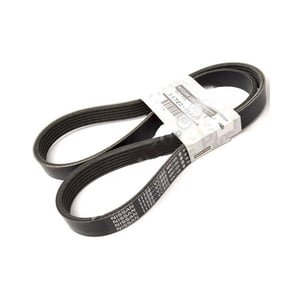
Engine parts for the Nissan Patrol
Search by your car or part number and compare merchant offers on genuine and aftermarket parts.
Find the partRelated articles
 Car Guide
How to order car parts by VIN (chassis number)
Where to find the VIN, what it tells you about your car, and how to turn it into a part number that fits
4 min read Car Guide
Most-Requested Nissan Parts in Saudi Arabia: A Guide
Top Nissan parts for the Patrol, Sunny, Altima, Navara and Datsun, with real price examples, genuine versus aftermarket, and how to order the right part.
4 min read Car Guide
How to confirm a car part fits before you buy
Speero accepts orders by VIN. Check the part number, photos and measurements, plus trim, engine, production date and market specification.
5 min read