
Car Guide
How to spot a counterfeit car part before fitting it

To spot signs of counterfeiting when buying a part on Speero or elsewhere, check the seller's identity, product description, part number, packaging and finish before fitting it. A logo or barcode alone does not prove authenticity, and a low price does not make a part counterfeit. If you specifically want genuine, ask for an explicit description rather than vague wording such as “same as genuine” or “dealer quality.”
Genuine, aftermarket and counterfeit: the product's identity matters
Speero lists genuine and aftermarket parts. An aftermarket part sold under its real identity is not counterfeit. Separate these descriptions before comparing offers:
- Genuine: A product approved by the vehicle manufacturer. Its logo on a box is not enough to prove this.
- Aftermarket: Made by another manufacturer and sold under its real identity. It can be a suitable choice if it meets the required specifications.
- Counterfeit: Uses another company's name or logo deceptively to pass as its authentic product.
If you drive a Toyota, refer to the difference between genuine and aftermarket Toyota parts to choose the part type. For the Hyundai-specific comparison, see genuine and aftermarket Hyundai parts. Choosing the type comes before checking the authenticity of the part you receive.
1. The box, printing and logo
When a part ordered on Speero arrives, inspect the box before discarding it and photograph its condition. Check the spelling of the company name, print clarity, logo consistency and signs that the packaging has been opened or resealed. Spelling errors or labels covering earlier information warrant a question.
Compare the packaging with a current reference from the manufacturer, if available, rather than an unverified advertisement photo. A different box colour or design does not prove counterfeiting on its own. Packaging can change, and transit damage is different from forged packaging. Ask for an explanation of the difference rather than judging by appearance alone.
2. The engraved or printed part number
Before using a part from Speero, compare the number on its body, if present, with the packaging label and order description. Read every letter and digit. Do not rely on matching the start of the number. If the numbers differ, ask for a documented explanation before fitting the part.
An aftermarket manufacturer may use its own number with a reference to the genuine part number. That difference is not evidence of counterfeiting. A visible code may also identify a production batch rather than the part itself. If unclear, ask what the code means and request a fitment reference. A correct number helps identify the product, but it does not prove authenticity because numbers can be copied.
3. Weight and finish
When inspecting a part received from Speero, compare its finish with a trusted part of the same type and specifications, if available. Look for unusual sharp edges, excess material, uneven welds or surfaces, and visible coating defects. Do not dismantle a sealed component or damage it to look for an internal marking.
A noticeable weight difference is a reason to ask questions, not a standalone authenticity test. Materials and designs may differ between genuine and aftermarket parts. Wear also affects the old part's weight. Do not assume that heavier means better or reject an aftermarket part simply because it feels different. Ask a technician to assess it if doubt remains.
4. Labels and barcodes
When checking labels on a part from Speero, make sure the manufacturer name, part number and packaging details are consistent. Look for one label covering another, erased information, or differences between the box and the part. Ask for an explanation.
Successfully scanning a barcode does not mean the part is authentic. A valid code can be copied onto counterfeit packaging. If the manufacturer provides a dedicated verification method, use its official channel. Do not enter payment details or passwords on a page opened by a packaging code simply because it displays a familiar logo.
5. A price far below comparable offers
When comparing offers on Speero, treat a large price gap for the same part as a reason to ask questions, not a verdict of counterfeiting. Compare the same number, type, quantity and condition. Comparing a clearly labelled aftermarket part with a genuine part tells you little about authenticity. A high price does not prove authenticity either.
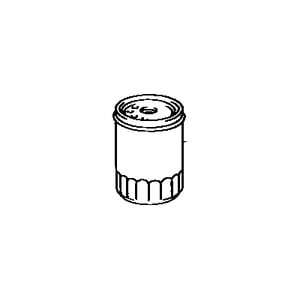
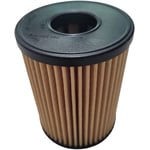
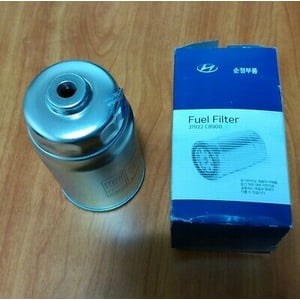
Speero's oils and filters category contains 25 listings across all vehicles at the time of the catalogue check. When choosing an oil filter, check the manufacturer name, part type and fitment before considering the price difference. If a seller describes a part as genuine but avoids explaining its source, postpone the order until the details are clear.
6. Seller identity and what an organised marketplace adds
Speero states the country of manufacture for many aftermarket parts, with descriptions such as Korean, Chinese, Japanese and Thai, alongside genuine and aftermarket labels. These details help you understand what you are ordering. They are not an authenticity certificate or proof that every part has been inspected. Country of manufacture alone does not determine quality or whether a part is counterfeit.
Before paying, ask for the seller's name, contact details and an invoice that clearly describes the product. Ask where the part comes from, and save the response and a copy of the description. Avoid relying on a seller who will not identify themselves or document the product type.
An organised marketplace reduces risk when it brings together a clear description, an order record, a return policy and a contact for resolving problems, compared with a classified advertisement offering only a mobile number and a brief description. This does not mean every classified advertisement is unreliable or every marketplace inspects products individually.
If your question is “Who checks suppliers?”, ask the platform for a written explanation of how it approves sellers and verifies their sources. Do not infer a specific vetting process from the platform's name or website design.
If doubt remains, stop and document the difference
Speero offers free returns within 7 days of delivery under its return policy. Inspect your order when it arrives so that you do not discover a problem after the return period.
Do not fit or modify a part if its authenticity remains in doubt. Keep the box, labels and invoice. Photograph the part, its number and anything that differs from the description. Contact Speero with your order number and request clarification or a return. Describe the difference you observed rather than declaring the part counterfeit based on one sign. Do not use it merely to test it.
Frequently asked questions
What is the difference between aftermarket and counterfeit?
Speero labels aftermarket parts as aftermarket, not as genuine parts from the vehicle manufacturer. An aftermarket part comes from another manufacturer and is sold under its real name. A counterfeit impersonates another product. Aftermarket can be an acceptable choice once specifications and fitment are confirmed. The word “aftermarket” alone does not imply fraud.
Is a cheap filter always counterfeit?
No, a low price for a filter listed on Speero or elsewhere is not enough to call it counterfeit. It may be an aftermarket product sold openly under its real name. Check the manufacturer, part number, fitment and seller's source, and compare offers for the same type. A high price or polished packaging does not prove authenticity either.
What should I do if I suspect a part I received is counterfeit?
Speero offers free returns within 7 days of delivery under its return policy. Do not use or modify the part. Photograph it with the packaging and number, and keep the invoice and packaging. Contact Speero with your order number and a description of the difference. Request clarification or a return before the period ends.
Parts related to this article
Genuine and replacement oil filters
Search by your car or part number and compare merchant offers on genuine and aftermarket parts.
Find the partRelated articles
 Car Guide
Toyota Genuine vs Aftermarket Parts: Which Should You Choose?
Genuine or aftermarket for your Toyota? Quality, price and warranty compared, when genuine is worth it, and when aftermarket saves more.
4 min read Car Guide
Genuine vs Aftermarket Hyundai Parts: A Buying Guide
Dealer, Korean or Chinese Hyundai parts? How they differ in quality, price and fit, and which to choose for the Elantra, Sonata, Accent and Tucson.
4 min read Car Guide
Genuine, OEM, aftermarket, commercial, used: differences
Genuine, OEM, aftermarket, commercial and used are not fixed quality grades. Compare each label and what to ask the seller before choosing a part on Speero.
5 min read