
Car Guide
Toyota Genuine vs Aftermarket Parts: Which Should You Choose?
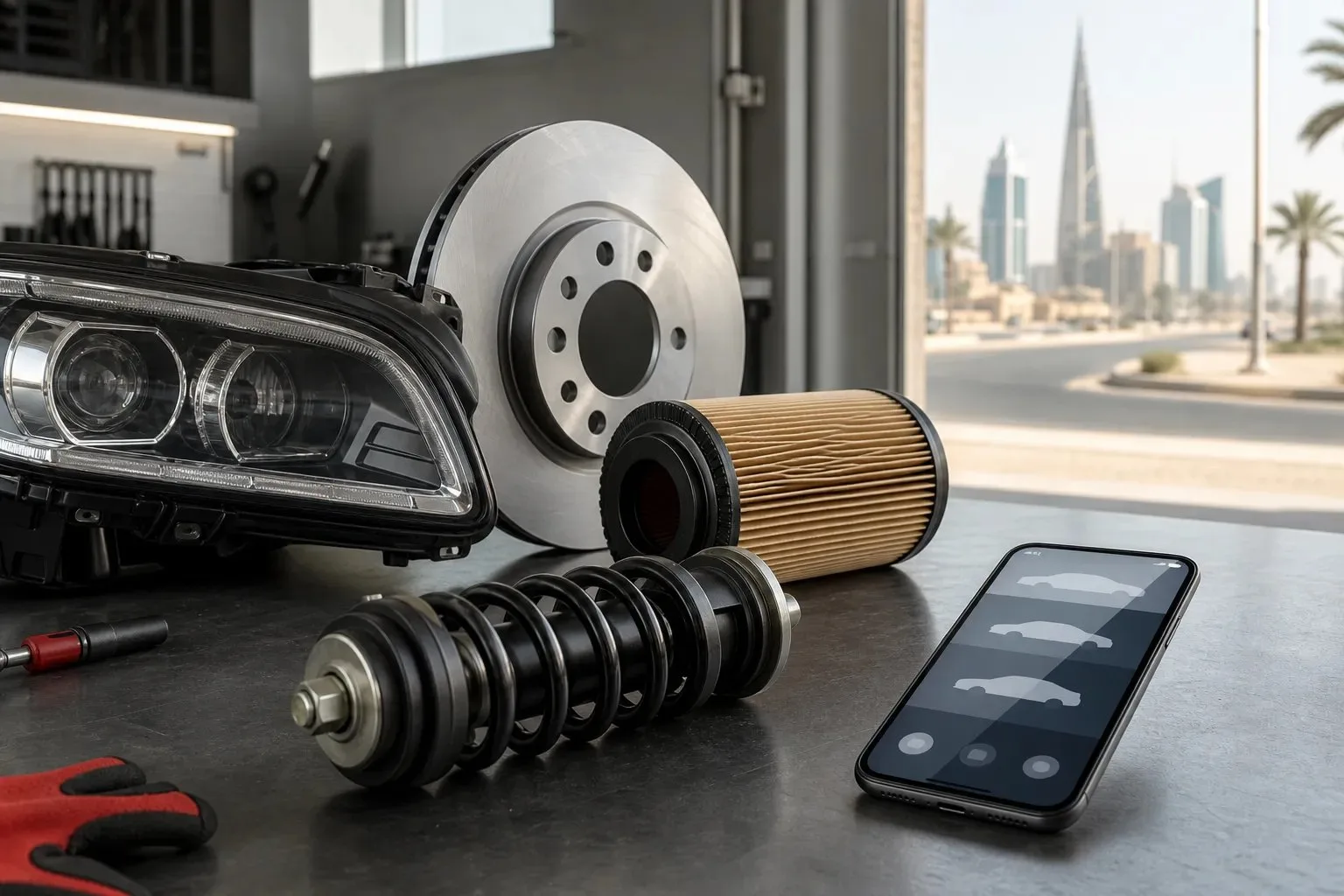
A genuine part is made by Toyota or a Toyota-approved supplier. It comes in Toyota packaging, with its logo and the same original part number. An aftermarket part is made by another manufacturer to the same dimensions and function, and its quality varies by company and country of manufacture. The right choice depends on the part: genuine or a well-known Japanese aftermarket part suits safety and engine components, while aftermarket body and lighting parts are often economical and suitable.
Compare for yourself:
Select your vehicle year on Speero's Toyota spare parts page to see matching parts with their prices and types. Sellers ship orders to all regions of Saudi Arabia within 2 to 4 business days.
What do “genuine dealer part” and “aftermarket” mean?
- Genuine (dealer / Genuine): The official Toyota part, the same one fitted to your vehicle at the factory.
- Japanese aftermarket: Made by Japanese companies to matching specifications. Some are made by the same manufacturer that supplies Toyota, but sold in that manufacturer's own packaging.
- Taiwanese or Thai aftermarket: Good quality for many parts, at a lower price.
- Chinese aftermarket: The least expensive option, suitable for parts that do not affect safety, such as bumpers, tail lights, and fenders.
On Speero, each part shows its type and country of manufacture, such as “genuine dealer part,” “Japanese aftermarket,” or “Chinese aftermarket,” so you can compare before ordering.
A quick comparison between genuine and aftermarket parts
- Fitment: A genuine part fits 100%, while aftermarket fitment varies by manufacturer.
- Price: Genuine parts cost more, while aftermarket parts are cheaper. The difference varies from one part to another.
- Service life: The service life of a genuine part is known and guaranteed. Aftermarket quality ranges from excellent to poor depending on the manufacturer.
- Availability: Genuine parts sometimes need to be ordered in advance, while aftermarket parts are often more available.
When should you choose a genuine part?
- Brakes: Brake pads, brake discs, and brake fluid.
- Suspension and steering: Control arms, shock absorbers, and steering axles.
- Engine and transmission: Sensors, belts, water pumps, and gaskets.
- New vehicles still covered by the dealer warranty.
When is an aftermarket part a smart choice?
- Body parts: A bumper, fender, or hood after a minor accident.
- Lighting: Tail lights and headlamps for older vehicles.
- Consumable parts from well-known companies: filters, spark plugs, and wiper blades.
- Older vehicles whose market value does not justify paying genuine-part prices for every component.
Camry and Corolla part examples on Speero
Speero lists genuine and aftermarket parts for nearly every Camry and Corolla part, so you can choose based on your budget. The current number for each type appears on the model page after selecting the year: Camry and Corolla. You can find price examples in 2026 Corolla spare part prices.
How can you tell whether a part is genuine or counterfeit?
Counterfeit parts are sold in the market as genuine at prices close to those of genuine parts. The buyer pays a genuine-part price but receives lower quality. You can spot a counterfeit by watching for five signs.
First sign: the part number. Every genuine part has a printed part number that matches the manufacturer's catalogue number. Compare it with the old part fitted to your vehicle, or order the part using the chassis number to identify the correct number in advance. Any difference in the number, even one digit, is worth asking about before purchase. You can find how to obtain the number in finding a Toyota part number from the chassis number.
Second sign: the box and label. Genuine parts come in official Toyota packaging with a high-quality printed label showing the part number and barcode, and sometimes a hologram label. Faded printing, unusual colours, and spelling mistakes on the box are all clear signs of a counterfeit.
Third sign: build quality. When you compare a new part with the old one, a counterfeit is often lighter and less precisely finished. It may have plastic flash or untidy welds, and its rubber may be harder or lower quality. These differences are easy to see in brake pads, shock absorbers, and filters.
Fourth sign: the price. A genuine part has a roughly known market price. If you find a “genuine” part at a price far below the market, it is likely not genuine, used, or counterfeit.
Fifth sign: the source. The safest option is to buy from a seller that clearly states the part type and stands behind it with a return policy. On Speero, every part is described as a “genuine dealer part” or “aftermarket” with its country of manufacture, so you do not need to guess.
The difference between genuine, Japanese, and commercial parts in common market terms
In the Saudi market, you hear many terms, and the same term may mean different things depending on the shop. Here is what each one means:
Genuine / dealer / Genuine: The official Toyota part. It comes in Toyota packaging with the original part number, and it is the same part fitted to your vehicle at the factory. It offers the highest level of warranty and fitment.
Japanese / OEM: This is where confusion happens. In the market, “Japanese” usually means a part from a Japanese company made to the same Toyota specification. It may come from the manufacturer that supplies Toyota, but it is sold in the manufacturer's own packaging instead of Toyota packaging. Its quality is very close to genuine, at a lower price.
Commercial: Any non-genuine part, including Japanese, Taiwanese, Thai, and Chinese parts. The word “commercial” alone is not enough, so you need to know the country of manufacture and the company.
Salvaged / used: A part removed from another vehicle. It may be genuine, but its condition and service life are not guaranteed.
Which parts make a genuine part worth the price? A practical guide
The smart decision is not “everything genuine” or “everything commercial.” It is choosing part by part based on importance and the price difference.
Parts where genuine is almost essential: Brake pads and brake fluid, sensors (crankshaft, oxygen, and air), water pumps, belts, and control units. These parts either directly affect safety, or even a small difference in their specifications can cause other faults or trigger the check-engine light.
Parts where genuine or Japanese works well: Control arms, shock absorbers, engine mounts, and clutches. A well-known Japanese part can offer quality close to genuine with noticeable savings.
Parts where commercial is sufficient: Bumpers, fenders, tail lights, liners, and mirrors, especially for older vehicles. These parts do not affect safety, and the price difference is very large.
Is genuine always better?
For fitment and warranty, yes, but genuine is not always the better value. If your vehicle is a 2008 Corolla and needs a bumper after a minor accident, it does not make sense to pay the genuine price. An aftermarket part serves the same purpose. But if you need brake pads, the price difference is small compared with safety, and genuine is the better value here.
How do you order a Toyota part that fits the first time?
Ordering on Speero starts with your vehicle: choose the model and year from the Toyota page, and only parts that fit your vehicle will appear. Each part clearly states its type, “genuine dealer part” or “aftermarket,” along with its country of manufacture, so you can balance quality and price knowing the difference. Sellers ship orders to all regions of Saudi Arabia within 2 to 4 business days. If the part does not suit you, returns are free within 7 days of delivery under the return policy.
Frequently asked questions
Does an aftermarket part affect the dealer warranty?
Dealer warranties usually cover manufacturing defects, but the dealer may refuse to cover damage caused by a non-matching part. If your vehicle is under warranty, ask the dealer before fitting any aftermarket part in the engine or transmission.
What is the best aftermarket option for Toyota parts?
Japanese aftermarket parts are usually the closest to genuine. Taiwanese and Thai parts are good options for many components, while Chinese parts suit body and lighting parts.
Are genuine Toyota parts available on Speero?
Yes. On Speero, every model page under Toyota spare parts includes genuine and aftermarket parts, and each part's type is stated.
Can I return a part if it does not fit?
Yes. Speero accepts free returns within 7 days of delivery under the return policy.
How do I know whether spare parts are genuine?
Match the part number, inspect the packaging and label, compare the finish quality, and be wary of an unusually low price.
What is the difference between genuine and Japanese spare parts?
Genuine parts come in official Toyota packaging. Japanese parts usually come from a Japanese manufacturer to the same specification, but in its own packaging and at a lower price.
Are commercial parts safe?
Commercial parts from well-known companies are safe for many components, but genuine or Japanese parts are better for brakes and suspension.
Which vehicle has the best spare-parts availability?
Toyota is among the makes with the most spare-parts availability on Speero, especially Camry, Corolla, Hilux, and Land Cruiser.
Related articles
 Car Guide
Toyota Fortuner Parts Guide: Top Parts and How to Choose
Fortuner parts in Saudi Arabia: how generations and engines differ, the parts off-road trips wear out most, and the parts shared with the Hilux.
4 min read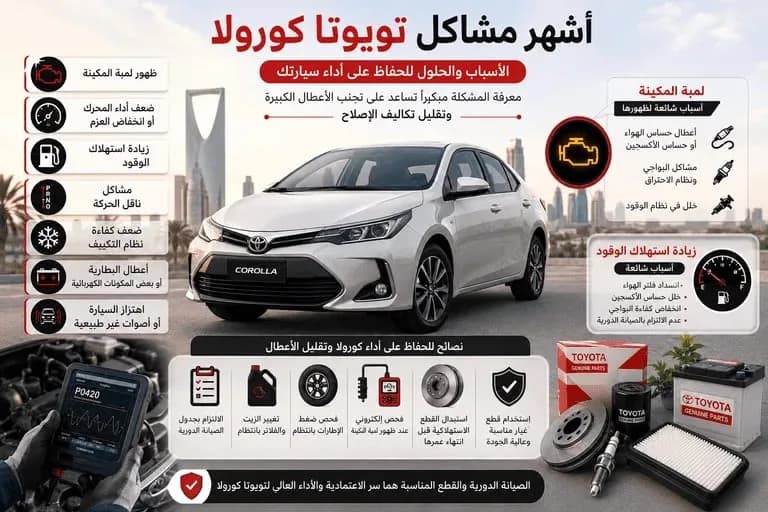 Car Guide
Toyota Corolla Parts Prices 2026: Genuine, Aftermarket, How to Choose
What do Corolla parts cost in 2026? Real price examples from Speero for genuine and aftermarket, top parts, and how to check a part fits your model year.
4 min read Car Guide
Car Parts Website in Saudi Arabia: Order the Right Part
Practical steps to choose the right part for your car and order it online, from checking compatibility to payment, delivery and returns.
4 min read