
Engine
Engine Oil: Top 3 Reasons Why Oil Turns Black?
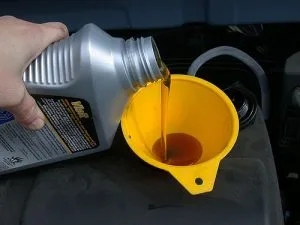
This is consideredEngine OilOne of the most important factors that affect the lifespan and performance of the engine is the need to regularly change the oil, according to the manufacturer's instructions. However, many people wonder why the engine oil turns black shortly after changing it.
This may be a source of concern for many drivers, so here is an article for you discussing the reasons for the rapid blackening of engine oil, and the appropriate time to change your car's engine oil.
What is engine oil?
The engine oil of a car is a substance used to lubricate the engine and reduce friction between various components within the engine. It helps to improve engine performance and decrease wear and tear that occurs due to friction.
Engine oil typically consists of a base of refined oil and a set of additives that enhance the oil's strength and improve its performance.
What are the components of engine oil?
Engine oils contain various components that vary from one type to another, and from one oil manufacturer to another. Typically, engine oil is made from different sources such as petroleum and natural gas, along with many different added chemicals that help improve the properties of the oil and protect the engine.
How does engine oil work?
When the moving parts in the engine rotate, heat and friction are generated, leading to wear and tear of these parts. Oil lubricates these moving parts and reduces the friction between them, which in turn reduces the heat generated. Moreover, the oil also works to cool the engine as it is directed through specific cooling paths to cool the engine.
Also read: Engine Oil Cooler: Types and Signs of Damage
Why does the engine oil turn black?
Indeed Car engine oil turns to black due to several factors, the most important of which are:
- Deposits and impurities cause the engine oil to turn black. The oil circulates within the engine, flowing over various components, and during this process, it collects the accumulated deposits and impurities on the different components and carries them out of the engine. As the oil passes through the filter, which contains a number of fine mesh networks, larger impurities are removed. However, there are some fine impurities that cannot be removed, and these fine impurities continue to accumulate in the oil, causing its color to turn black.
- Corrosion causes the engine oil to turn black. Over time and with the use of the engine, natural wear and tear occurs in different components. This results in the release of minute particles and metals within the engine. The oil captures these particles and transports them out of the engine. Over time, these metals accumulate in the oil, helping to turn its color to black.
- Heat turns engine oil black as motor oils are exposed to extreme temperatures inside the engine. This leads to the breakdown of some of the chemical substances present in the oil, thereby contributing to its color change.
Should I be worried if the engine oil turns black?
You should not worry if the oil in your car engine turns black, as this is a normal and common occurrence for all cars and engines. This change to black could be an indication that the oil is effectively capturing and removing impurities and residues from the engine.

What is the importance of changing the car's engine oil?
Changing the engine oil is considered basic maintenance that should be carried out regularly. This is because the oil can get damaged due to heat and friction, and dirt and deposits can accumulate inside the engine. This can affect the quality of the oil and its efficiency in lubrication and cooling.
When should the car's engine oil be changed?
The time to change your car's engine oil depends on several factors such as the quality of the oil, the distance traveled, and the driving conditions. The manufacturer determines the optimal change intervals based on these factors.
Generally, it is recommended to change the engine oil every 5,000 to 7,500 kilometers or once every 6 months, whichever comes first, and adherence to the manufacturer's recommendations is necessary to achieve the best performance and lifespan of the engine.
How to maintain engine oil?
Maintaining clean engine oil helps ensure efficient engine operation and optimizes its performance. Here are some tips for maintaining your engine oil:
- Ensure the use of the correct oil quality according to the vehicle manufacturer's recommendations.
- Change the oil at the specified times according to the manufacturer's recommendations.
- Regularly check the oil level in the engine and add more if necessary.
- Use high-quality oil filters to remove impurities and deposits.
- Avoid driving at high speeds and loading the vehicle beyond its capacity.
- Check the ventilation system and clean it regularly.
- Avoid driving in rough road conditions that require a great deal of strain on the engine.
Remember that the correct and clean oil is the key factor in maintaining engine health and ensuring its high efficiency.
By following the previous guidelines and recommendations regarding engine oil, the engine's performance can be maintained optimally, and continue to operate with high efficiency.
Neglecting or delaying the change of engine oil should not be done, as this could lead to engine damage and increase the costs associated with engine repair in the future.
Therefore, every vehicle owner should adhere to the manufacturer's recommendations and keep the engine oil clean to maintain the health of the engine and ensure a longer lifespan for the vehicle.
The Conclusion
Thus, I have answered your question, why does engine oil turn black? Engine oil turns black, and this is considered a normal and common occurrence for all vehicles and engines. It can be an indication that the oil is effectively capturing and removing impurities and residues from the engine.
You should adhere to the manufacturer's recommendations regarding oil changes and regularly maintain and clean the ventilation system.
Frequently asked questions
Why does engine oil turn black so fast?
Engine oil turns black for three reasons: fine deposits and impurities the filter cannot remove, metal particles from normal wear, and extreme heat that breaks down some of the chemicals in the oil.
Does black engine oil mean something is wrong with my engine?
No. Engine oil turning black is normal and common in all cars and engines. It can be a sign that the oil is capturing and removing impurities and deposits from the engine.
How many km between engine oil changes?
The general recommendation is to change engine oil every 5,000 to 7,500 kilometers or once every 6 months, whichever comes first. Follow the change intervals your car's manufacturer sets.
How do I keep my engine oil clean?
Use the oil type the manufacturer recommends, change it on time and check its level regularly. Use high-quality oil filters and avoid loading the car beyond its capacity.
Related articles
 Engine
4 signs indicating damage to the fuel cap
Learn how the fuel cap protects the tank from dust and moisture, and discover 4 signs that indicate damage or wear over time.
4 min read Engine
Automatic gearbox types: AT, CVT, DCT, AMT and gear letters
Four automatic gearbox types: AT, CVT, DCT and AMT. How each shifts, what the letters P, R, N, D, S and L mean, and how to tell which one your car has.
4 min read Engine
The differential's 4 signs indicate it is damaged.
Learn how the differential helps tires rotate at the right speed during turns and discover the four signs that may indicate damage.
4 min read