
A/C
Bad Purge Valve Symptoms: The Main Warning Signs

Some car faults start with small signs, but over time they can have a big effect on engine performance and fuel consumption. The EVAP purge valve is an important part of the fuel system. It helps regulate petrol vapours and reduce harmful emissions, so when it fails, bad purge valve symptoms can appear while driving or when starting the car.
A check engine light, higher fuel consumption or unusual shaking can all be clear signs of a fault in the evaporative system. Knowing the symptoms of a bad purge valve helps you catch the problem early and avoid costly repairs later, especially when you rely on dependable spare parts and maintenance services that keep your car efficient and performing well on the road.
What is the purge valve in a car and what does it do?
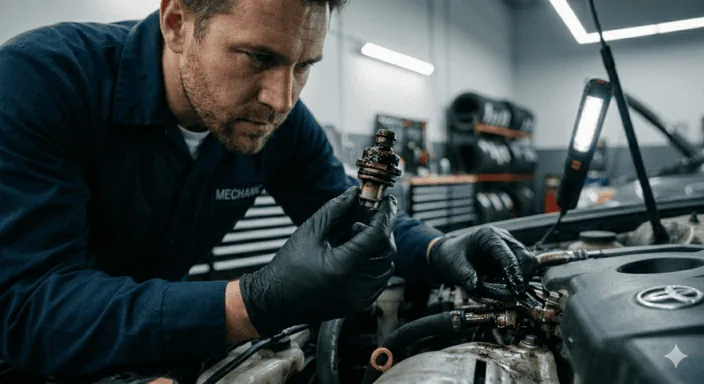
The purge valve is one of the core components of the EVAP system, which controls fuel vapours in the car. It sends petrol vapours back to the engine instead of letting them escape into the air. This improves combustion efficiency and reduces harmful emissions. It also keeps engine performance stable while driving.
How does the EVAP system work?
The EVAP system collects fuel vapours in the charcoal canister, then sends them to the engine to be burned as part of combustion. When the system develops a fault, problems such as a check engine light or higher fuel consumption can appear. That is why it matters to rely on a car spare parts store that supplies dependable parts to keep the system working efficiently.
When do purge valve problems start to appear?
Purge valve problems usually appear gradually, through signs such as engine shaking, hard starting or a noticeable petrol smell. In some cases the problem shows up as misfiring while driving or a check engine light that stays on. Using genuine parts from a car spare parts store and getting regular inspections through a car maintenance service both reduce the chance of these faults and keep the car performing well for longer.
The most common bad purge valve symptoms
The symptoms of a bad purge valve show up as several signs that directly affect the car's performance and fuel efficiency. These symptoms can start gradually before they turn into a bigger engine problem.
1- The check engine light comes on suddenly
One of the most common signs is the Check Engine light coming on because of a fault in the EVAP system. The system's sensor picks up any disruption in the flow of fuel vapours and sends an alert that a problem needs checking. It is best to confirm the part is in good condition through a car spare parts store that supplies high-quality genuine parts.
2- A strong petrol smell inside or outside the car
When the purge valve fails, fuel vapours can leak out instead of being sent back to the engine. This causes a clear petrol smell, especially while the engine is running or after you switch the car off.
3- Weak pulling power while driving
A faulty purge valve affects the air-fuel balance in the engine. This can cause weak acceleration and slower response while driving. Regular checks through a car maintenance service help catch the problem early.
4- Engine shaking or fluctuating RPM
You may notice the engine shaking or the engine speed changing unsteadily, especially when idling or when starting the car. This happens because a damaged valve disrupts combustion.
5- A noticeable rise in fuel consumption
Higher petrol consumption is one of the main symptoms of a bad purge valve. The fault causes some of the fuel vapours to be lost instead of being used properly. Using dependable parts from a car spare parts store and getting inspections through a car maintenance service help keep fuel consumption efficient and reduce future faults.
Why does a bad purge valve cause engine performance problems?
The symptoms of a bad purge valve show clearly in engine performance, because this part regulates fuel vapours in the EVAP system. When it develops any fault, the car starts to have problems that directly affect combustion and driving efficiency.
A disrupted air-fuel ratio
One of the main symptoms of a bad purge valve is a fault in the air-fuel ratio in the combustion chamber, as fuel vapours enter the engine irregularly. This can lead to weak pulling power and a delayed response when accelerating.
How vapour leaks affect combustion
A bad purge valve causes fuel vapours to leak instead of being recycled properly. This affects combustion quality in the engine and, over time, can cause the car to shake or use more petrol.
The link between the purge valve and engine misfiring
The symptoms of a bad purge valve can also include the engine misfiring while driving or when idling. This comes from a disrupted flow of fuel and air in the engine, which affects how stable and efficient the car is while running.
How do you know the purge valve needs replacing?
The symptoms of a bad purge valve can keep coming back even after some inspections or cleaning. At that point you need to check whether the part needs replacing to keep the engine and fuel system efficient.
1- A computer diagnostic check
A computer diagnostic check helps find faults in the EVAP system. It shows codes that point to a fault in the purge valve or in the flow of fuel vapours in the system.
2- Unusual noises from the valve
One sign that the purge valve may be damaged is clicking or abnormal vibration near the valve, especially when starting the car or switching off the engine.
3- Faults keep appearing after the system is cleaned
In some cases the symptoms of a bad purge valve, such as the check engine light or higher petrol consumption, continue even after the system is cleaned. This shows the valve is damaged and needs replacing with a new part that fits the car.
Can you drive with a bad purge valve?
Yes, you can drive the car when the symptoms of a bad purge valve first appear, but you should not put off the repair, because the problem can gradually affect engine performance and fuel consumption. A damaged valve can disrupt combustion in the engine. This leads to weak performance or shaking, and higher petrol consumption because the fuel vapours are not used properly. It is best to go for maintenance as soon as you notice signs such as the check engine light, a petrol smell or engine misfiring, to avoid bigger faults.
Causes of purge valve failure in cars
The symptoms of a bad purge valve are linked to several common causes that affect how well the system works. Over time, these causes can lead to weak engine performance and problems with fuel consumption and emissions.
1- Build-up of dirt and deposits
A build-up of dirt and deposits in the evaporative system is one of the main causes of purge valve failure. It can block the valve or restrict its movement, which affects the EVAP system as a whole.
2- Damaged electrical connections
Damaged or weak electrical connections can stop the purge valve from working properly. This disrupts the regulation of fuel vapours and causes symptoms of a bad purge valve, such as the check engine light or engine misfiring.
3- Using non-genuine spare parts
Using non-genuine spare parts lowers the system's efficiency and raises the chance of faults. These parts do not offer the same quality and performance as approved parts, so purge valve problems appear sooner and the valve's service life is shorter. It is always best to rely on a car spare parts store or use a car maintenance service to make sure you get the right parts and proper fitting.
How do you look after the purge valve and extend its life?
Keeping the purge valve in good condition greatly reduces the symptoms of a bad purge valve and keeps engine performance stable and fuel consumption efficient over the long term, especially with regular fuel system maintenance.
Check the fuel system regularly
Regular checks of the fuel system and the EVAP system help find any fault early, before it gets worse. This lowers the chance of purge valve failure and keeps the car running efficiently.
Use high-quality genuine spare parts
Using genuine spare parts is one of the most important ways to extend the purge valve's life. High quality means better performance and fewer faults than low-quality commercial parts.
Do not ignore the check engine light
Ignoring the check engine light can make the problem worse and make the symptoms of a bad purge valve more severe. Have the car checked as soon as the light comes on, so the cause can be found and fixed quickly.
Conclusion
In short, the symptoms of a bad purge valve should not be ignored, because they are directly linked to engine efficiency, fuel consumption and the car's overall performance. Finding the problem early and dealing with it using dependable spare parts or through regular maintenance helps you avoid bigger faults and higher repair costs later, and gives you steadier, more efficient driving on the road.
Frequently asked questions
1. What are the symptoms of a bad purge valve in a car?
The symptoms include the check engine light coming on, higher fuel consumption, a petrol smell, engine shaking and weak pulling power while driving.
2. Can I drive with a bad purge valve?
You can drive for a short time, but it is best to fix the problem quickly so it does not affect the engine and increase petrol consumption.
3. Does a bad purge valve increase fuel consumption?
Yes. One of the main symptoms is higher petrol consumption, caused by a fault in the EVAP system and the vapours not being burned again properly.
4. How do I know the purge valve needs replacing?
Through a computer diagnostic check, a check engine light that keeps coming on, or symptoms such as misfiring and a petrol smell.
5. Does the purge valve affect engine performance?
Yes. A damaged purge valve can cause weak pulling power, engine shaking and unstable combustion in the engine.
Related articles
A/C
Is your car AC not cooling? Common Causes and Effective Fixes
Many drivers deal with weak AC cooling on the road. Learn the most common causes and how to fix the faults for strong cooling and comfort in your car.
12 min read A/C
4 Signs of a Faulty Car AC Refrigerant Valve
Learn four signs of a faulty car AC refrigerant valve and how it affects refrigerant flow to the evaporator.
4 min read A/C
6 signs indicate damage to the air conditioner radiator.
Learn five signs of air conditioner radiator damage and why prompt repair helps keep your car's cooling system working properly.
4 min read