
Cooling
Genuine vs Aftermarket Radiator Cap: The Difference
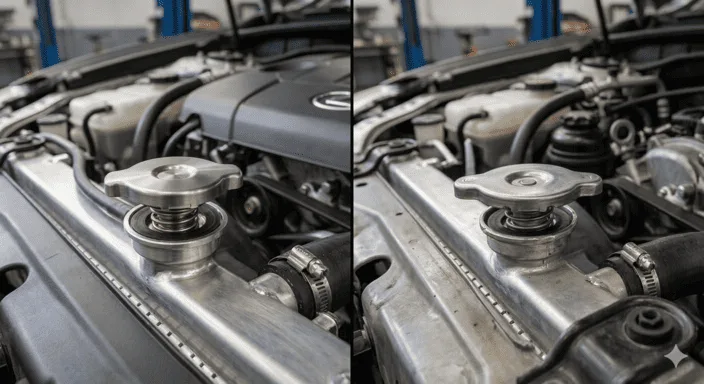
If you own a car, you already know how important the cooling system is in protecting your engine from sudden overheating. But many drivers overlook one small part of this system that is a leading cause of overheating and coolant leaks: the radiator cap, often just called the "radiator". It regulates the pressure inside the system and raises the boiling point of the coolant, so the genuine vs aftermarket radiator cap choice matters.
The problem usually shows up when you see the engine temperature gauge rising, or notice the radiator water level dropping. That is when the search for a replacement begins: genuine or aftermarket?
Why does the radiator cap matter in a car?
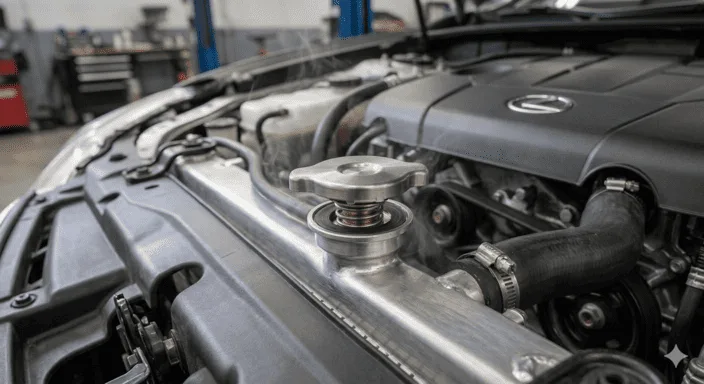
Before getting into the difference between a genuine and an aftermarket radiator cap, it helps to know what this cap does in the cooling system.
Regulating pressure inside the system
The main job of the radiator cap is to keep the right pressure inside the cooling system. When the pressure of the hot coolant rises, the cap stops it from going past the allowed limit. This lowers the risk of hoses bursting or tearing.
Raising the coolant boiling point
The cap has a pressure valve that raises the boiling point of the coolant. This means the engine can run at higher temperatures without the coolant boiling. It helps prevent overheating and keeps the engine working efficiently in hot weather like Saudi Arabia's.
Recirculating coolant
Many radiator caps have a secondary valve that draws coolant back from the overflow tank into the system once the engine cools down. This keeps the coolant level steady inside the system and reduces the risk of low coolant or overheating.
Genuine vs aftermarket radiator cap: what is the difference?
The question on many drivers' minds: can you use an aftermarket radiator cap instead of a genuine one? The answer depends on the quality of the cap and how you use it.
The difference between a genuine and an aftermarket radiator cap shows in several areas:
1. Quality and materials
- Genuine cap (OEM):
It is made to the car manufacturer's standards and uses high-quality materials such as rust-resistant metals and treated rubber. This makes it more durable and more resistant to pressure and heat.
This ensures a full match with your car's cooling system and lowers the chance of leaks or damage.
- Aftermarket cap:
It is often made from lower-quality materials, such as thin metal or cheap rubber that cannot handle pressure and heat for long periods. It may start to tear or leak after a short time in use.
2. Holding and releasing pressure
- Genuine cap:
It keeps the pressure inside the cooling system steady and accurate, and it is preset to suit your car's engine.
When the pressure reaches its maximum, the valve releases it with high precision. This protects the hoses and the tank.
- Aftermarket cap:
It may not hold pressure reliably. It can release pressure too early, or stay closed too long. This causes sudden overheating or coolant leaks.
3. Service life and durability
- Genuine cap:
It lasts longer because of high manufacturing standards. Some experts recommend replacing it about once every two years at most, and during that time it keeps protecting your engine's performance.
- Aftermarket cap:
It is often affected quickly by pressure and heat, and may show cracks or leaks sooner. This means you may need to replace it more than once, which raises the cost over time.
4. Packaging and identifying marks
- Genuine cap:
It usually carries the manufacturer's official logo and a part number that matches the car's owner's manual. It also has a barcode that helps verify it.
The packaging is neat, with no spelling mistakes or unclear printing.
- Aftermarket cap:
The packaging is often poor, or has spelling mistakes or unclear graphics. The feel or shape may differ from the genuine part, with rough or unfinished edges.
5. Price and cost
- Genuine cap:
It costs more than its aftermarket counterpart, but it is an investment in your engine's safety and your peace of mind over the long run, especially in countries with extreme heat like Saudi Arabia.
- Aftermarket cap:
It is cheap, but it often damages the engine or causes bigger financial losses through damage to the whole radiator system, especially if it comes from an unreliable brand or is a "copy".
When can you use an aftermarket radiator cap?
In some emergencies, you may have to use an aftermarket radiator cap. This is usually a temporary option, not a permanent solution.
Example:
- If you are on a long road and the genuine cap fails, a good aftermarket replacement (from a trusted supplier) can help you reach the workshop without damaging the engine.
- After that, replace it with a genuine cap as soon as possible to avoid problems.
The best option for every car owner is the genuine cap, especially with high temperatures for long periods of the year and the effect that has on cooling efficiency.
Read also: The best Toyota radiator coolant
Guide to choosing the right radiator cap for your car
1. Check the pressure rating
Do not use a radiator cap with a higher pressure than the manufacturer's recommended rating. Each extra pound of pressure raises the coolant boiling point by about 1.4 degrees Celsius, but too much pressure can damage the hoses or the radiator itself.
Check the owner's manual or the old genuine cap, and make sure the pressure is written correctly (usually in PSI, kPa or bar).
2. Skip the cheapest cap without a reason
The cheapest cap is often the lowest quality. It may have less accurate pressure control or cut corners on materials, which exposes you to greater risk.
Always buy from an authorised source or a trusted supplier in Saudi Arabia, even if the price is a little higher.
3. Inspect the cap regularly
Check the radiator cap from time to time, especially if you notice:
- Coolant leaking from the top of the radiator.
- A rise in engine temperature.
- The overflow tank filling up or becoming pressurised, then coolant spilling out of it.
These signs mean the valve inside the cap is not working properly and it is time to replace it.
Signs of a faulty radiator cap you should not ignore
If your car shows any of the following signs, the cap is often the problem. This is when the difference between a genuine and an aftermarket radiator cap becomes clear:
- Radiator water keeps dropping even though there is no visible leak.
- The overflow tank fills up and coolant spills out after the engine heats up and then cools down.
- Radiator hoses swell or collapse because of pressure changes inside the system.
- Engine temperature rises suddenly, especially on long drives or in extreme heat.
In these cases, replace the cap right away. A genuine cap is preferred to keep the pressure stable and the cooling efficient.
How do you protect your engine from damage caused by a poor radiator cap?
- Use a dedicated coolant, not plain water or used water.
- Do not open the radiator cap while it is hot. Wait until the engine cools a little to avoid burns from the coolant or other damage.
- Replace it every two years or when symptoms appear.
- Buy from a manufacturer's dealer or a trusted supplier in Saudi Arabia such as Speero, ideally with a written warranty.
- Watch the engine temperature gauge all the time. If it actually rises suddenly, the cap may be the cause.
Read also: Symptoms of a faulty car starter
The difference between a genuine and an aftermarket radiator cap is not just a difference in looks or price. It is a difference in safety, quality and engine life.
A genuine cap is an investment in protecting your engine from overheating damage, especially in Saudi Arabia, where temperatures reach very high levels for long periods.
Buying a cheaper aftermarket radiator cap may save you money at first, but it exposes your engine to bigger financial losses if the system fails or overheats, which could cost you thousands of riyals in repairs.
So, as a car owner, the best and most sensible choice is a genuine radiator cap from a trusted source, along with regular maintenance of the cooling system. This is real protection for your engine.
Frequently asked questions
1. What is the difference between a genuine and an aftermarket radiator cap?
A genuine radiator cap is made to the manufacturer's specifications with high quality, while an aftermarket one is often lower in quality and shorter-lived, and may cause leaks or overheating.
2. Is an aftermarket radiator cap good enough for my car?
You can use it as a temporary fix, but it does not guarantee steady pressure. It is better to switch to a genuine cap as soon as possible.
3. How do I know if my radiator cap is genuine?
Check for the manufacturer's logo, a part number, a barcode, a heavy weight, and neat packaging free of spelling mistakes.
4. How often should I replace the radiator cap?
Replace it about once every two years, or when you notice a leak, overheating, or visible damage.
5. Does using a non-genuine radiator cap void my car's warranty?
It depends on the warranty terms, but dealers often prefer genuine parts so you keep benefiting from the available warranty.
Related articles
Cooling
Best Toyota Coolant for Your Radiator
Genuine Toyota coolant controls engine heat and prevents rust and corrosion. See the best types in Saudi Arabia and how to pick the right one for your car.
6 min read Cooling
Radiator cap: 5 signs it is bad and how to test it
A bad radiator cap causes coolant loss, overheating and an overfilled reservoir. 5 clear signs, how to test it, and how to pick the right cap for your car.
4 min read Cooling
Water out of the radiator reservoir: 6 causes and radiator cap check
Coolant overflowing from the radiator reservoir usually means a failed cap or an overheating engine. Speero explains the 6 causes and how to check.
4 min read