
Engine
Car Oil Pump Failure: Causes and Signs It Needs Replacing
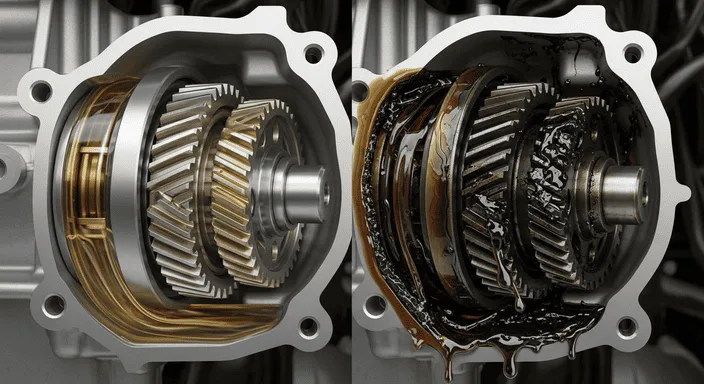
Your car's oil pump may not get much attention, but its importance to engine performance is clear. One of the most important things to know is what causes a car oil pump to fail, because making sure every part gets the lubrication it needs prevents the wear and damage that can lead to serious problems. When the oil pump fails, the consequences can be severe, even catastrophic.
The oil pump is one of the most important engine components and plays a key role in keeping the engine efficient and safe. It pumps oil continuously to the internal parts to reduce friction, cool components and provide the lubrication needed while the engine runs. Without it, the engine suffers rapid wear and overheating, which leads to complete engine failure.
What is a car oil pump and why does it matter?
The oil pump sits at the bottom of the engine and is usually driven by the crankshaft. It plays a key role in keeping the engine running smoothly. It pumps oil from the oil pan (sump) to the different engine parts. It also distributes oil at a set pressure so it reaches the friction points inside the engine, such as the camshaft, the crankshaft and the gears. This helps reduce wear and cool the internal parts.
Why the oil pump matters for engine operation
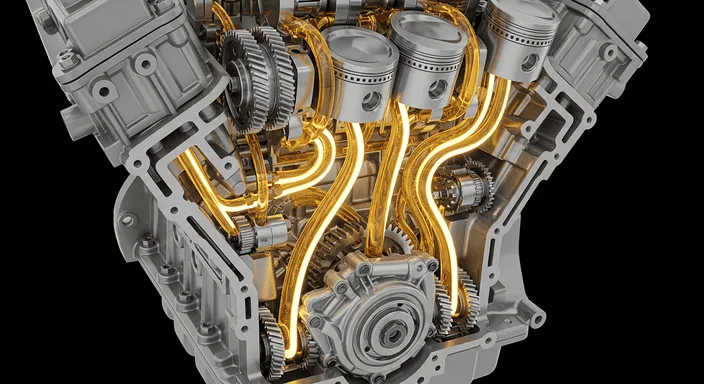
The oil pump matters because it is the main source of lubrication and cooling for the internal parts while the engine runs. The pump sends oil at the right pressure to all moving components, such as the crankshaft, camshafts and valves, to reduce friction between them and prevent wear. Through the oil, it also helps draw excess heat out of the engine, which keeps the operating temperature stable.
It also cleans the parts of dirt and deposits by passing the oil through the filter. Without an effective oil pump, the engine is quickly damaged by rising temperature and by running dry.
Symptoms of a failing oil pump
An oil pump failure can be a disaster for your engine if it is not dealt with in time. Here are the main signs to watch for:
1. Low oil pressure and the warning light
If you see the oil pressure warning light on the dashboard, oil pressure is too low. This is a common sign that the oil pump may be damaged or need maintenance.
Often the first symptom is the engine light or oil light coming on on the dashboard, warning of a problem. This is not always the case, though, and drivers often overlook or ignore the light.
2. Engine overheating
Without enough lubrication, friction between engine parts increases and excess heat builds up. This can push the temperature gauge up or even trigger overheating warnings. Ignoring this can cause serious damage.
3. Unusual engine noises
If your car's oil pump is about to fail, you may start to hear strange noises such as clicking or rattling from the engine. These noises usually mean the engine is not getting enough oil flow, which can cause more problems if left unchecked.
4. Increased engine wear or damage
A bad oil pump leads to insufficient lubrication, which can make the engine's internal components wear faster. You may notice a loss of power, rough running or other signs of declining engine performance over time.
5. Metallic noises from the oil pump
When the oil pump itself fails, it can make grinding or metallic clattering noises. This is a sign of serious internal damage and needs immediate attention before it leads to catastrophic engine failure.
6. Check engine light
A fault in the oil pump can turn on the check engine light. This is often linked to diagnostic trouble codes related to oil pressure or lubrication problems. An OBD-II scanner can help you find out whether the oil pump is the cause.
Does a bad oil pump trigger a code?
Although a bad oil pump does not usually trigger a specific fault code, it can cause symptoms that lead to diagnostic trouble codes (DTCs), such as P0520 (oil pressure sensor/switch malfunction) and P0521 (oil pressure sensor performance problem). Always scan the car with an OBD-II scanner if you suspect a problem.
The oil pump symptoms above are a warning sign. Have the car checked as soon as possible and repair the oil pump early to avoid damage to the engine.
Read also: Fuel pumps and their types: a complete guide to the most common pumps
Causes of oil pump failure
Oil pump failure does not happen suddenly. It is usually the result of specific problems that can sometimes be avoided.
1. Insufficient or dirty oil
One of the most common causes is low or dirty oil. A low oil level or oil contaminated with debris can clog the pump and stop it from doing its job efficiently.
Using engine oil that does not match the manufacturer's recommended specification can wear the oil pump's internal parts and reduce its efficiency and service life.
2. Wear and tear
The internal parts wear over time from constant friction, which reduces the pump's efficiency.
3. Manufacturing defects or improper installation
In some cases, manufacturing defects or improper installation can leave the pump prone to early failure.
4. Engine overheating
Excess engine heat is another major cause. High temperatures can warp or damage pump components and weaken its ability to distribute oil efficiently.
5. Not changing the oil regularly
When the oil is not changed regularly, dirt and debris build up in it. This can clog the oil pump or damage its internal parts.
6. Low oil level and leaks
A low oil level caused by a leak in the system can leave the oil pump running without enough oil, which causes overheating and damage to its parts.
7. Buildup of deposits and debris
Deposits and debris that build up in the pump or the oil lines can block the oil passages and reduce the pump's efficiency.
8. Excess strain on the engine
Running the engine for long periods without a break or in harsh conditions can put extra strain on the oil pump and make it wear out faster.
How to diagnose oil pump problems
Initial check
Start by watching your oil pressure readings. If they are low or fluctuating, something is wrong.
Listen closely for unusual engine noises such as whining, clicking or grinding, which often point to an oil pump problem.
Checking the oil level
Check the oil level and make sure the oil is clean. A low level or dirty oil can be a sign of a problem.
You can also use the dipstick to check the engine oil level. Make sure the level is within the range recommended in the owner's manual.
Look for any leaks or oil spots under the car and around the oil pump.
Using an OBD-II scanner
You can also run an OBD-II scan if the check engine light is on. This diagnostic tool reveals fault codes related to oil pressure or lubrication problems.
Checking the filter and passages
Do not forget to check the oil filter and its condition. A clogged filter or dirty oil can sometimes point to an oil pump fault.
Consulting a specialist
If you are still unsure or the symptoms do not match, it is best to consult a trusted mechanic. A mechanic has the experience and tools to find the root of the problem and help you avoid serious engine damage.
How to check the oil pump in practice
Checking the oil pump takes some basic skills and maintenance tools. If you notice signs of a failing oil pump, you can check it with these steps:
- Make sure the engine is cold before you start.
- Use a car jack to raise the car high enough to reach the underside.
- Secure the car on safety stands.
- Use the dipstick to check the engine oil level.
- Make sure the oil level is within the range recommended in the owner's manual.
- Look for any leaks or oil spots under the car and around the oil pump.
- After checking the oil level and looking for leaks, start the engine and listen for abnormal noises such as clicking or rattling. These noises can point to oil pump problems.
- Use an oil pressure gauge. If the pressure is low, there is a problem with the oil pump.
- If the pump is found to be damaged, remove it following the instructions for your car.
- Install a new pump and make sure it is fitted correctly and free of leaks.
- After replacing the pump, start the engine and check that all systems work correctly and that there are no leaks or abnormal noises.
If you are unsure about any step or do not feel comfortable doing the check yourself, it is best to consult a professional mechanic so the problem is diagnosed accurately and the right repairs are made.
Consequences of ignoring a failing oil pump
Without proper lubrication, engine parts are exposed to severe friction, which causes heavy wear and damage that can eventually lead to complete engine failure. When that happens, the cost of replacing or repairing the engine will far exceed the cost of fixing the oil pump early.
There is also a safety risk in driving with a faulty oil pump. Lack of lubrication can cause the engine to overheat or even stall while you drive, which can leave you stranded or put you in a dangerous situation.
What to do if you suspect oil pump failure
If you think your car's oil pump is failing, act quickly to avoid further damage. The first thing to do is stop driving as soon as it is safe.
Check the oil level and make sure the oil is clean. A low level or dirty oil can be a sign of a problem. Even so, diagnosing and repairing oil pump problems is best left to professionals.
Consult a certified mechanic right away. A mechanic has the tools and experience to pinpoint the problem and decide whether the oil pump needs repair or replacement.
Preventive maintenance tips
Caring for your oil pump starts with some basic maintenance.
1. Change the oil regularly
Regular oil changes are essential. Use the right type of oil for your engine to ensure proper lubrication and avoid putting unnecessary strain on the pump.
2. Monitor oil levels
Check the engine oil level regularly, especially when you notice any change in engine performance. Monitoring the oil level helps you catch potential problems before they get worse.
3. Keep your engine clean
- Keeping your engine clean is very important for protecting the oil pump. Clean the air filter regularly, prevent dirt from building up, and inspect the oil pump at the base of the engine during maintenance to keep it working at its best.
- Check for oil leaks anywhere in the system, because leaks and low oil levels harm the pump and can damage it.
4. Watch for warning signs
- Finally, pay close attention to early signs of oil pump failure, such as unusual engine noises or fluctuating oil pressure. If you catch these problems early, you can deal with them before they need costly repairs.
- Avoid overloading the engine. Do not run the car under heavy strain or with heavy loads for long periods, so the oil pump is not put under strain.
- Service the engine on the recommended schedule, including checks of the oil pump and related systems.
- Keeping a constant eye on oil pump symptoms helps keep the pump in good condition, extends its life and keeps your engine performing at its best.
How to clean the oil pump
After noticing signs of a failing oil pump, you can consider cleaning it to try to fix the faults, since any neglect can lead to problems in the oil system. If you need to clean the oil pump, follow these steps:
- The engine must be cold before you start.
- Use a car jack to raise the car high enough to work on and reach the underside, and secure it on safety stands.
- Drain the old engine oil by removing the drain plug at the bottom of the oil pan.
- Clean the drain plug before refitting it.
- Disconnect the lines attached to the oil pump, such as the oil inlet and oil outlet lines.
- Undo the bolts or fasteners holding the oil pump in place, then remove the pump carefully.
- Use a dedicated oil cleaner or a mild cleaning solution to clean the oil pump.
- You can use a soft brush or a cloth to clean off any deposits or debris.
- Make sure no cleaning residue is left behind.
- If the pump has an internal filter, clean it or replace it if needed.
- Fit the clean oil pump back in place with the correct bolts or fasteners, and make sure it is tightly secured.
- Reconnect the lines attached to the oil pump and make sure they are tight.
- Refit the oil pump and fill the engine with new oil according to the manufacturer's recommendations.
- After adding the oil and checking for leaks, start the engine and check that everything works correctly.
Signs of a failing oil pump are a serious warning that you should not ignore. Act quickly to protect the engine and the car.
In short, if you notice low oil pressure, engine overheating, strange noises or excessive wear, the oil pump may be the problem. Ignoring these symptoms can lead to costly repairs or even engine failure, so act right away.
If you are looking for a reliable store to buy Toyota spare parts and Hyundai spare parts in Saudi Arabia, you can rely on Speero, which specialises in genuine and aftermarket spare parts for a wide range of models.
Frequently asked questions
1. How do you know your oil pump is bad?
Common signs of a bad oil pump include:
- Low oil pressure warning light
- Unusual engine noises such as clicking or knocking
- Engine overheating
- Poor engine performance
If you notice these symptoms, have the oil pump and lubrication system checked as soon as possible to prevent engine damage.
2. What happens when your oil pump stops working?
When the oil pump fails, it cannot distribute oil efficiently through the engine. This leads to:
- Insufficient lubrication
- Increased friction and heat
- Faster wear of internal engine parts
- If a failing oil pump is left unchecked, it can lead to complete engine failure.
3. Does a bad oil pump trigger a code?
Although a bad oil pump does not usually trigger a specific fault code, it can cause symptoms that lead to diagnostic trouble codes (DTCs), such as:
P0520 (oil pressure sensor/switch malfunction)
P0521 (oil pressure sensor performance problem)
Always scan the car with an OBD-II scanner if you suspect a problem.
4. How can I test my oil pump to see if it is bad?
To test the oil pump:
- Step 1: Check oil pressure with a mechanical gauge.
- Step 2: Check the oil level and condition.
- Step 3: Monitor engine temperature and listen for abnormal noises.
If the pressure is well below the manufacturer's specification, the oil pump may be worn or faulty.
5. What does a failing oil pump sound like?
A failing oil pump can cause:
- Ticking noises from the valve train due to lack of lubrication
- Knocking noises from the crankshaft bearings
- These noises often mean metal is contacting metal, and they should be dealt with immediately to avoid serious damage.
6. What is the difference between low oil and a failing oil pump?
Low oil and a failing oil pump differ in cause and in effect. Low oil means the amount of oil in the engine has dropped because of a leak, evaporation or irregular oil changes. This leads to poor lubrication and engine overheating. A failing oil pump happens when the pump loses its ability to pump oil efficiently through the engine, even though there is enough oil. This stops oil from reaching vital parts and causes the same symptoms, such as rising temperature and abnormal noises. With a failing pump, though, the fault is mechanical, in the pump itself, not in the oil level.
7. How long does an oil pump usually last?
An oil pump usually lasts the life of the engine without needing replacement, unless it is damaged by a manufacturing defect or poor maintenance, such as skipped oil changes or the wrong oil. Under normal conditions and with regular maintenance, an oil pump can last between 150,000 and 250,000 kilometres or more. Watch for signs of damage, such as low oil pressure or strange engine noises, so you can act in time before serious damage occurs.
Related articles
Engine
The new car break-in period
A new car's break-in period protects the engine and improves performance. Learn how to drive in the first 800 to 1,600 km to avoid wear and extend engine life.
6 min readEngine
When to Change Transmission Oil and How It Affects Your Car's Life
When should you change transmission oil? A guide to the right intervals, warning signs and oil types that keep your gearbox working and prevent faults.
9 min read Engine
Cleaning the throttle without the need for programming.
Learn how to clean the throttle body correctly, with or without programming, and why preventive cleaning matters after 120,000 km.
4 min read