
Filters
Do I need to change the oil filter with every oil change?
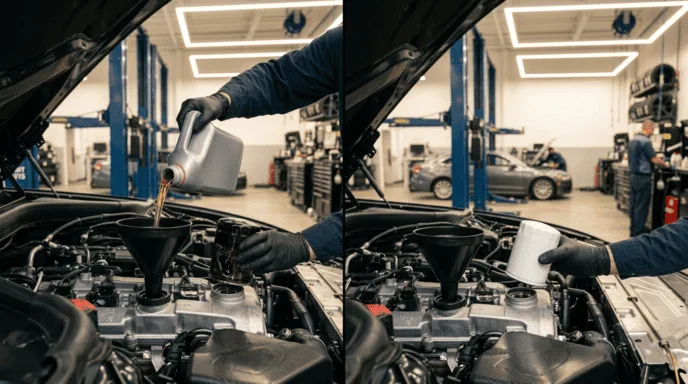
Many car owners ask the same question at every service visit: do I need to change the oil filter with every oil change, or can I change only the oil and keep the old filter longer? The answer may look like a small detail, but it directly affects your engine's life and performance over the long term. This article answers the question directly and explains why the oil filter matters and when to change it.
Do I need to change the oil filter?
Yes. The rule most service technicians agree on is to change the oil filter with every engine oil change, whatever the car or the type of oil. The reason is simple: putting new, clean oil in with an old, dirty filter contaminates the new oil very quickly. That takes away a large part of the benefit of the oil change.
Is changing the oil filter necessary with every oil change?
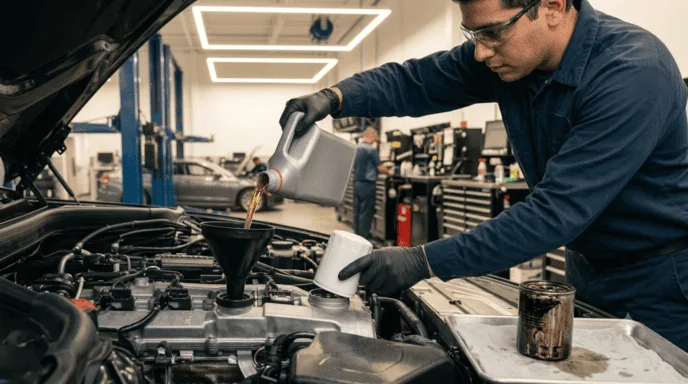
The short answer is yes, in most cases you should change the oil filter with every oil change.
If you replace the oil and leave the old filter, some dirty oil and deposits stay inside it. These can mix with the new oil and lower its efficiency from the start.
Most car manufacturers also recommend replacing the oil filter with every oil change. This matters even more with modern engine oils that last longer, because the filter works through that whole period and collects a large amount of contaminants.
That said, some high-quality filters are designed to last longer. The final decision should follow your car's owner's manual, not guesswork or habit.
What happens if you change the oil but not the oil filter?
You may not notice a problem right after changing only the oil. But using an old filter over time can lead to several effects, including:
- Lower oil filtering efficiency.
- Some deposits passing into the new oil.
- More friction between engine parts.
- Shorter oil life.
- A higher chance of wear on some internal engine components.
For this reason, changing the filter is a small investment compared with the cost of repairing engine damage caused by poor lubrication.
When should you change the oil filter?
No single rule fits every car. When to change the oil filter depends on several factors. The main ones are:
Manufacturer recommendations
The owner's manual is the first reference for the right interval to change the oil and filter. Recommendations differ from one car to another.
Type of oil filter
Filters differ in build quality and service life. Genuine or high-quality filters usually perform better than low-quality products.
Driving conditions
Your car may need the filter changed more often if it runs in harsh conditions, such as:
- City driving and constant traffic.
- Driving in desert or dusty areas.
- Exposure to high temperatures.
- Towing trailers or heavy loads.
- Frequent short trips.
Signs that your oil filter needs changing
Even if your service date has not arrived, some signs can show that the oil filter is losing efficiency, including:
- The oil pressure light comes on.
- Unusual noises from the engine.
- The oil gets dirty quickly after a change.
- A clear drop in engine performance.
- Engine overheating in some cases.
If any of these signs appear, it is best to inspect the whole lubrication system rather than just topping up the oil.
Can you change the oil without changing the filter?
Technically, yes. But in most cases it is not the best choice.
If the filter is very new, or the manufacturer recommends using it for longer, skipping the replacement may be acceptable in some special cases. For regular scheduled maintenance, changing the oil and filter together gives the engine the best protection and makes full use of the new oil.
How do you choose the right oil filter for your car?
Choosing the oil filter matters as much as choosing the oil itself, so make sure to:
- Match the filter to the manufacturer's specifications.
- Use a genuine filter or one from a trusted brand.
- Check that the part number fits your car's model.
- Buy parts from a trusted source that guarantees quality.
You can also use a car maintenance service to make sure you pick the right oil filter and that it is fitted correctly. This helps keep the engine efficient and extends its life.
Common mistakes when changing the oil filter
Some car owners make small mistakes that can affect the lubrication system, such as:
- Reusing the old oil filter.
- Fitting a filter that does not match the car's specifications.
- Tightening the filter more than needed.
- Not lubricating the rubber gasket before fitting.
- Not checking for leaks after starting the engine.
Avoiding these mistakes helps keep the engine performing well and lowers the chance of future faults.
Summary
The answer to is changing the oil filter necessary with every oil change? is that replacing the filter with the oil is the safest choice for most cars. It keeps the new oil clean and keeps the lubrication system working efficiently, which helps protect the engine and extend its life.
Sticking to the maintenance schedule and using a suitable, high-quality filter also reduce the chance of faults and keep the car performing well over the long term. When you need to replace the oil filter, always choose the part that matches your car's specifications for the best performance.
Frequently asked questions
1. Do I need to change the oil filter with every oil change?
Yes. For most cars, changing the oil filter with every oil change is recommended, because the filter holds contaminants and deposits that can dirty the new oil and lower its efficiency. Still, it is always best to follow your car manufacturer's recommendations.
2. What happens if I don't change the oil filter?
Not changing the oil filter can lower oil filtering efficiency. This raises the chance of contaminants reaching engine parts, affects the lubrication system and shortens the life of both the oil and the engine.
3. When should I change the oil filter?
When to change the oil filter depends on the manufacturer's recommendations, the type of filter and your driving conditions. In most cases, it is replaced with every engine oil change for the best performance and protection.
4. Can I change the oil without changing the oil filter?
In some special cases, yes, if the filter is still within its service life according to the manufacturer's recommendations. It is not recommended for regular maintenance, because an old filter can reduce how well the new oil works.
5. How do I choose the right oil filter for my car?
Choose an oil filter that matches the manufacturer's specifications and your car's part number. A genuine filter or one from a trusted brand is best, to make sure the oil is filtered well and the engine is protected from wear.
Related articles
Filters
Car Filter Replacement Steps: When and Why to Change Them
Changing your car filters regularly keeps the engine strong, cuts fuel use, cleans cabin air, and reduces breakdowns and maintenance costs over time.
8 min read Filters
Air Conditioner Filter: 5 Signs of Damage and How to Maintain it
Learn 5 signs of car air conditioner filter damage and how proper maintenance helps keep the system effective and the cabin air clean.
4 min read Filters
4 signs indicating air filter damage
Learn why the air filter is essential for purifying air entering the engine, supporting engine health and maintaining optimal performance.
4 min read