
Engine
Oil Pressure: 13 Reasons It Is Low in Your Engine
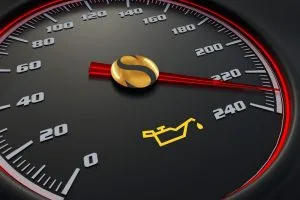
Oil pressure is one of the most important indicators of engine health and safety. When the oil pressure level is low, it points to a problem that needs immediate repair.
Reasons for the decrease in oil pressure level in the engine.
1- Oil leakage from the engine
One of the common reasons for a drop in oil pressure in the engine is an oil leak from the engine. This leak can occur from several places in the engine such as the internal or external parts.
This leak must be repaired immediately to avoid bigger problems that can occur due to a lack of oil in the engine.
2- Fault in the oil pump
The reason for the decrease in the engine oil pressure level in the car may be due to a defect.Oil Pump, which is considered one of the essential parts in distributing oil within the engine.
This defect can lead to an oil deficiency in various parts of the engine, resulting in decreased engine performance and could potentially cause complete engine damage.
3- Oil filter clogging
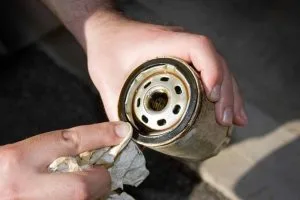
A blocked oil filter can lead to a decrease in the oil pressure in the engine, as it prevents the filter from removing impurities and accumulated deposits inside the engine. This leads to an insufficient oil flow within the engine.
The oil filter should be regularly changed and checked to ensure that there are no accumulations hindering the flow of oil. This is necessary to ensure sufficient oil flow to the engine and to maintain the necessary oil pressure for the engine's performance.
4- A shortage of oil in the engine.
The reason for a decrease in the engine oil pressure level could be due to a shortage of oil in the engine. This is a problem that must be solved quickly to avoid permanent engine damage. The lack of oil in the engine can occur due to oil leakage, not changing the oil regularly, or using low-quality oil.
The engine oil level should be checked regularly and refilled as necessary. Additionally, the oil should be changed regularly as recommended by the manufacturer.
5- Using inappropriate oil
Using inappropriate oil for the engine type can lead to a decrease in oil pressure, as each engine requires a specific type of suitable oil. Using unsuitable oil affects the flow of oil inside the engine.
This can cause a decrease in engine performance and damage. It is necessary to ensure the use of the appropriate oil for the engine type, and adhere to the recommendations of the oil manufacturer.
6- The oil pump is not working properly.
A decrease in engine oil pressure may be due to the oil pump not working properly, as the pump works to pump oil within the engine and provide the necessary pressure to move it.
The oil pump should be regularly inspected to ensure it is working properly, and necessary maintenance should be performed on it as needed.
7- Not running the engine regularly
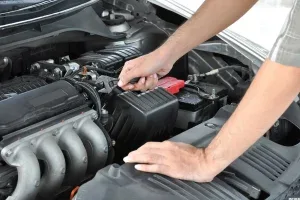
Not regularly running the engine leads to the accumulation of deposits inside the engine and disrupts the flow of oil, which results in a decrease in oil pressure.
The engine should be run regularly, even if for a short period, to circulate the oil within the engine and maintain its smooth flow.
8- Engine parts damage
Damage to some engine components, such as cylinders, pistons, or valves, may result in oil leakage and a decrease in oil pressure.
Necessary maintenance of the engine should be performed regularly and damaged parts should be replaced when needed. The engine should be checked regularly to avoid part damage and oil leakage.
9- The engine temperature is rising.
An increase in engine temperature can decrease oil viscosity and accelerate its flow, leading to a reduction in the oil pressure level.
The cooling system of the engine needs to be inspected and necessary maintenance should be carried out. Ensure that the cooling fan is functioning correctly and avoid overloading the engine beyond its capacity.
10- Damage to the oil pressure sensor
The oil pressure sensor controls sending signals to the dashboard to display the oil level and pressure in the engine.
Sensor damage may result in improper signal transmission, thus preventing the detection of low oil pressure. The sensor should be regularly checked and replaced as needed.
11- Oil filter blockage
A clogged oil filter leads to improper oil flow and thus to a decrease in the oil pressure level in the engine.
The filter should be checked regularly and replaced when necessary. It is recommended to use high-quality filters to avoid early damage and ensure engine protection.
12- Oil pump failure
The oil pump works to pump oil to the moving parts in the engine, and its damage may result in reducing the amount of pumped oil, consequently leading to a drop in oil pressure.
The oil pump should be regularly inspected and replaced as needed. If the engine is subjected to severe wear, it must be replaced within the period specified by the manufacturer.
13- Wear and tear of moving parts
Corrosion of the moving parts in the engine may cause oil leakage, consequently leading to a reduction.Oil pressure levelIt appears you haven't provided any text for translation. Could you please provide the text that needs to be translated?
Damaged parts should be replaced immediately, and it is preferable to conduct regular maintenance on the engine to avoid severe wear and tear.
Frequently asked questions
What does low oil pressure in the engine mean?
Low oil pressure points to an engine problem that needs immediate repair. Oil pressure is one of the most important indicators of engine health.
What are the most common causes of low oil pressure?
Common causes include an oil leak, a faulty oil pump, a clogged oil filter, a shortage of oil in the engine and using oil that does not suit the engine type.
Can engine overheating cause low oil pressure?
Yes. A high engine temperature lowers oil viscosity and makes the oil flow faster, which reduces oil pressure. Check the cooling system and make sure the cooling fan works properly.
How do I keep my engine oil pressure normal?
Check the oil level regularly and top it up when needed. Change the oil and filter regularly as the manufacturer recommends, and use the right oil for your engine type.
Related articles
 Engine
Car Stuttering: Top 5 Causes
Learn what causes car stuttering, its symptoms, and how to solve this common issue linked to spark plugs and the ignition coil.
4 min read Engine
5 Signs Indicating Damage to the Manual Transmission
Learn five signs of manual transmission damage, including vibrations, unusual sounds, and problems that occur in specific gears or at certain speeds.
5 min read Engine
Reasons for Engine Valve Damage
Engine valves usually fail from bending after contact with the piston, burning, poor lubrication, carbon buildup or overheating.
4 min read