
Tires & wheels
Maintaining Car Tires: 6 Different Methods
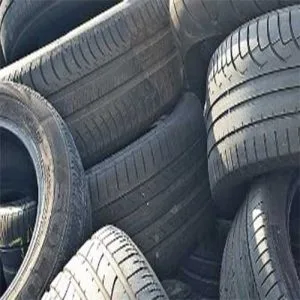
Maintaining car tires, tires are one of the most prominent parts of the car that many people do not pay attention to, assuming they rarely get damaged, and believe there is no need to replace them or subject them to maintenance unless there is a malfunction in them. In reality, maintaining car tires is extremely important, as they need to undergo regular maintenance and inspection, just like the rest of the car's parts and components.
This maintenance process must occur at specified intervals depending on the type of tire, just like changing the engine oil, brake fluid, oil sump, or air conditioning. This helps to avoid premature cracking and wear, reducing fuel consumption, and providing a better and easier driving experience. Fortunately, there are several things that a car owner can do to preserve the tires from damage and wear, and they are not always difficult.
Methods to Maintain Car Tires
Firstly: Examine the total wear of the tire and the tread depth.Car tires with very weak treads and wear are a significant hazard when driving in rainy, snowy, and icy conditions. They cannot overcome the water or frost and are exposed to it, which can cause the car to have sliding and deviating problems, leading to many traffic accidents.
To avoid such situations, there are signs around the tire tread that can be noticed. These are indicators of the amount of wear that has occurred on the tire, and can be measured using a special tire gauge. It's worth mentioning that the average tread depth for new tires on cars is about 8 to 9 millimeters.
Tires with a tread depth of 1.6 millimeters or less are considered incapable of maintaining grip, and the car should not be driven with these tires. Therefore, they must be replaced by a specialist technician or at a maintenance center. As prevention is better than cure, some companies, including Continental, recommend the tread depth of the tires to be no less than 3 millimeters for summer tires. For winter tires, it should not be less than 4 millimeters and should be thick enough to withstand harsh weather conditions in the rain and snow. You should ensure that your car's tires are suitable for both summer and winter. The tread depth should be measured regularly, and the tires replaced if necessary.
Secondly: Regulating the air pressure in the car's tires:One of the easiest ways to maintain car tires is by adjusting the air pressure in the tire, which is one of the most important things that can help extend its lifespan to the maximum extent possible. Therefore, the pressure should be checked monthly, and you will notice that it decreases over time. This is because the rubber in the tire is porous and air molecules can seep through the sidewalls of the tire.
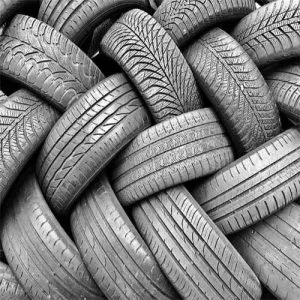
It's worth noting that a decrease in tire pressure leads to heat accumulation within it, causing significant damage to the inner tire structure. As a result, the brakes do not function normally, and fuel consumption is higher than before. Given these problems, a sensor called a tire pressure sensor has been developed, which is now found in most cars. This sensor monitors air pressure and informs you whether the tire pressure is low and needs to be refilled.
Also read: 6 Reasons Leading to the Damage of Engine Bearings
Thirdly: Check the condition of the spare tire:In difficult and critical situations, don't forget that you have a spare tire. If you have used it before, you need to get a new spare for emergencies. If you already have one, check its condition and make sure it has no issues. You may need it at some point, only to find it damaged. Keeping it new and unused for 5 to 7 years can render it unfit for use, as it could explode at any second during use. Therefore, if you have old tires, replace them with new ones.
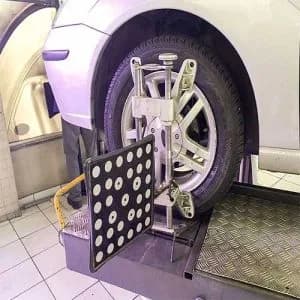
Fourthly: Balancing and alignment of tires:Balancing and aligning the tires are among the most important ways to maintain car tires. You should resort to this process at the maintenance center if you notice strong vibrations while driving at a speed of 80 km/h, or if you see wear and tear on one side of a tire more than the other side. The solution to these previous problems is through balancing and aligning the tires.
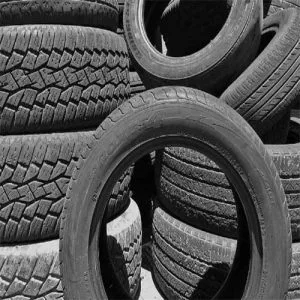
Fifth: Changing the positions of the car tires:Generally, the front tires of a car wear out faster than the rear ones. Therefore, you should rotate the tires of your car at least once every 15,000 km. The rotation process should not be random, but rather, you should consult your car owner's manual to know how the rotation should be performed. Some tires can be rotated from front to back, while others can be rotated in an X pattern.
Sixth: Polishing and Cleaning the Tires:It's an obvious matter for many people, and is something almost everyone typically does. It is indeed important for maintaining the condition and safety of car tires. However, one should use cleaners specifically designed and suitable for car tires, as some cleaning substances can cause wear and tear and cause cracks on the sides of the tire, consequently reducing its lifespan.
All the previous steps are effective for car maintenance and repair.Maintaining car tiresYou didn't provide any text to translate. Please provide a text in another language so I can translate it into English for you.
Frequently asked questions
When should I replace my tires based on tread depth?
If the tread depth is 1.6 millimeters or less, the tire cannot hold grip and must be replaced. New tires have an average tread depth of about 8 to 9 millimeters.
How often should I check my tire pressure?
Check the air pressure once a month. Pressure drops over time because tire rubber is porous and air seeps through the sidewalls.
How many km between tire rotations?
Rotate your tires at least once every 15,000 km, because the front tires wear faster than the rear ones. Check your owner's manual for the right rotation pattern for your car.
Does a spare tire go bad if I never use it?
Yes. A spare tire left unused for 5 to 7 years becomes unfit for use and can burst during use.
When do I need tire balancing and alignment?
When you feel strong vibrations while driving at 80 km/h, or see more tread wear on one side of a tire than the other.
Related articles
 Tires & wheels
Wheel balancing: road force vs standard and when to do it
Road force vs standard wheel balancing, balancing vs alignment, the signs your tires need balancing, and when to ask for it even with no shake.
4 min read Tires & wheels
7 Signs Indicating Wheel Bearing Damage
Learn the key signs of wheel bearing damage, including symptoms that may indicate wear and tear and affect smooth wheel rotation.
4 min read Tires & wheels
Types of tire patches and when you need them.
Tire patches are essential tools that can save money, time, and effort. Learn about their different types and when to use them.
4 min read