
Engine
Automatic gearbox types: AT, CVT, DCT, AMT and gear letters
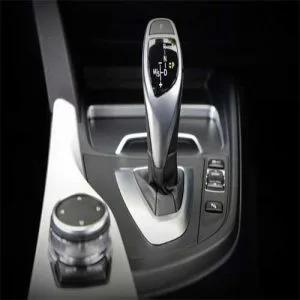
Speero groups automatic gearboxes into four types: the conventional AT with a torque converter, the CVT, the dual clutch DCT and the automated manual AMT. They differ in how they change gear, and that decides how smooth the car feels, how much fuel it uses and how it is serviced.
What is an automatic gearbox?
An automatic gearbox, as described by Speero, changes gear by itself, without the driver. Its job is to use the engine's torque in every gear and keep the engine in the right rev range. In a conventional automatic the torque converter links the engine to the gearbox, drive passes through planetary gears engaged by hydraulic circuits, and a TCM control unit decides when to shift.
Automatic gearbox parts
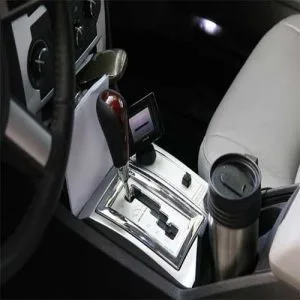
Speero lists the parts of a conventional automatic under engine and transmission. The main ones are:
- Torque converter: an oil-filled drum that carries engine power to the gearbox, multiplies torque when pulling away and absorbs vibration.
- Clutch packs: sets of metal friction discs that engage a gear when pressed together.
- Mechatronic unit: an electro-hydraulic unit that may combine the gearbox computer, pressure switches, speed and temperature sensors and the solenoid valves in one body, depending on the design.
- Valve body: a set of passages and channels that route pressurised gearbox oil to the valves, so each shift suits the driving conditions.
- Planetary gears: they work together to form the gear ratios. The low gears multiply engine torque for pulling away and towing; the high gears lower engine revs on the highway.
- Oil pump: it turns with the torque converter as soon as the engine runs and draws oil from the sump through the filter to build pressure inside the gearbox.
You can also read about engine valve lifters and 3 reasons they fail.
Types of automatic gearbox
The four types described by Speero transmit drive in different ways:
- Conventional automatic AT: the most common. The torque converter transfers engine power, hydraulic oil pressure operates the clutch packs to select the gear ratio, and the TCM works with the engine computer (ECU) to time the shifts, so they are smooth and predictable.
- Automated manual AMT: a manual gearbox in construction, but sensors and electric actuators press the clutch and change gear instead of the driver. It is simpler and lighter than a conventional automatic, which is why it appears in economy cars, but it shifts more slowly under acceleration.
- Continuously variable CVT: it varies the drive ratio continuously rather than shifting through a fixed set of ratios. The most common design uses two cone-shaped pulleys with a belt between them; as the distance between the cones changes, the ratio changes without steps. Toyota builds a CVT with a physical launch gear for first that then hands over to the pulleys; it is fitted to some Corolla models.
- Dual clutch DCT: a mix of manual and automatic. It usually has no torque converter. It uses two separate shafts, each with its own clutch, one for the odd gears and one for the even gears, so the next gear is ready before the shift.
Some makers give these types trade names (DSG for a dual clutch, for example), but they all come back to the four above.
What the automatic gearbox letters mean
The gear letters described by Speero appear on the gear lever or dashboard to indicate the selected gearbox mode:
- P (Park): locks the output shaft mechanically. Use it together with the handbrake when parked.
- R (Reverse): for reversing. Select it only when the car is fully stopped.
- N (Neutral): the gearbox is disconnected from the engine. Used for a short tow or in an automatic car wash, as your car's manual specifies.
- D (Drive): forward driving with automatic shifting through all gears.
- S: may mean Sport or a different shift range, depending on the car. In Sport mode, shifts may be delayed to higher revs for a quicker response.
- L, or 1 and 2 (Low): limits shifting to lower gears and may hold a particular gear, depending on the car. Check its manual for use on descents or when towing.
- M or +/- (Manual): manual shifting from the lever or the steering wheel paddles. The gearbox may reject some shifts that are unsuitable for the engine speed, but this protection varies by car and does not replace following its manual.
Not every car has all of these letters. Some have only P, R, N and D, and your car's manual states what each mode does in that car.
CVT versus a conventional automatic
In Speero's comparison, a conventional AT shifts between fixed ratios, while a CVT varies the ratio continuously. Engine revs in a CVT may stay nearly constant as you accelerate, but some designs simulate stepped shifts, so shift feel alone cannot identify the gearbox type. A CVT can be lighter and use less fuel in gentle city driving, but fuel economy, torque capacity and towing suitability depend on the gearbox design and the vehicle's specifications and rated limits. Each uses its own gearbox oil, and one must not be used in the other, so check your car's manual before any change.
Manual versus automatic
As Speero explains, in a manual the driver presses the clutch and changes gear by hand; an automatic shifts by itself. A manual is simpler in construction and usually cheaper to service, and an automatic is easier in traffic. A failing manual shows different signs from an automatic, and you find them in Manual gearbox: how it works and 5 signs it is failing.
Which automatic gearbox type is best?
No type is best for every car, as Speero notes: the right one is the gearbox your car was designed for. A conventional AT may suit large cars, four-wheel drives and towing, a CVT may suit small sedans and city driving, a DCT may suit drivers who want fast shifts, and an AMT appears in economy cars. Actual suitability depends on the vehicle's specifications, and gearbox type alone does not establish towing capacity; follow the manufacturer's towing limits. What extends the life of any type is using the gearbox oil named in the car's manual and keeping to its change schedule.
How do I know which gearbox my car has?
Speero recommends identifying the gearbox from the owner's manual or the specification sheet for your car, rather than shift behaviour alone. A CVT can simulate stepped shifts, and an AMT also shifts through fixed ratios. When ordering a gearbox part, use the VIN with the dealer to check the gearbox specifications and original part number; do not rely on it alone to establish which gearbox is currently installed, especially after a replacement. One model can come with more than one gearbox in the same year. How to order car parts by VIN explains the steps, and Speero lists gearbox parts under engine and transmission, matched to your car's year.
Frequently asked questions
How many types of automatic gearbox are there?
Speero groups them into four types: the conventional automatic AT, the automated manual AMT, the continuously variable CVT and the dual clutch DCT.
What is the most common type of automatic gearbox?
The conventional automatic AT is the most common, according to Speero. The torque converter transfers engine power, while hydraulic oil pressure operates the clutch packs to select the gear ratio.
What do the gear letters P, R, N and D mean?
In Speero's explanation, P is park, R is reverse, N is neutral and D is drive. You may also find S for Sport or another shift range depending on the car, L for a low-gear range and M for manual shifting; your car's manual states what each mode means.
Is an AMT gearbox good on fuel?
An AMT, as described by Speero, is simpler and lighter than a conventional automatic, which is why it is used in economy cars. Actual fuel use depends on the car and the driver, and its drawback is slower shifting under acceleration.
Is a CVT better than a conventional automatic?
No type is better in every case, as Speero notes. A CVT can be smoother and more economical in gentle driving, but fuel economy, torque capacity and towing suitability depend on the gearbox design and the vehicle's specifications and rated limits. The best one is the one your car was designed for.
Does a DCT dual clutch gearbox have a torque converter?
A DCT usually has no torque converter, as Speero notes, but some designs use one. It uses two separate shafts with their own clutches: one handles the odd gears and the other the even gears.
How do I know which gearbox my car has?
Speero recommends checking the owner's manual or specification sheet for your car and using the VIN with the dealer to confirm the gearbox specifications and part number before ordering. The VIN alone does not always establish which gearbox is currently installed, especially after a replacement.
Related articles
 Engine
 Oil: Top 3 Reasons Why Oil Turns Black?
It is considered
4 min read Engine
The differential's 4 signs indicate it is damaged.
Learn how the differential helps tires rotate at the right speed during turns and discover the four signs that may indicate damage.
4 min read Engine
The Importance Used Car Engine Efficiency
Learn how to check a used car engine before buying by inspecting noise, vibration, color, smell, pressure, oil, and overall performance.
4 min read