
Electrical
Explanation of the function of 6 important car sensors
Car sensors, all cars, especially modern ones, contain a variety of sensors that work on collecting data and compiling different information with the aim of providing the best performance and response in all possible situations. Car sensors are extremely necessary for the engine and must exist. They provide many features. However, they include some drawbacks, the most prominent of which is the short lifespan. They break down over a specific period of time, and they usually cannot be repaired. Therefore, the car owner is forced to replace them, thus incurring more money and effort.
This article aims to shine a light on some of the car's sensors, their importance, and their functions.
The most important car sensors and their functions:
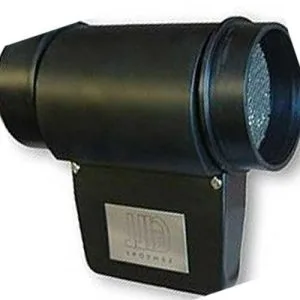
MAF Air Sensor:The function of this sensor is to detect the flow of air mass; it is a device used to calculate the average air mass flow that enters the fuel-supplied internal engine. The information provided by this sensor is important, and is needed by the car's computer to maintain balance and supply the engine with the appropriate amount of fuel.
Although this sensor does not use any technology that allows it to directly measure the air mass, the car's computer can calculate the air mass flow rate based on the information received from the sensor.
CTS Temperature Sensor:It is considered one of the necessary car sensors, which plays a major role in verifying that the temperature of the engine coolant does not exceed the temperature set by the car manufacturer. This sensor needs to operate constantly, providing the car computer with direct information, which processes incoming data and adjusts the engine temperature to make it suitable for operation, determining the optimal time to activate the cooling fan.
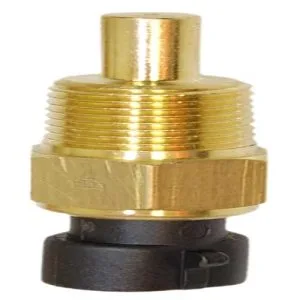
It's worth mentioning that modern cars automatically shut off the engine when the temperature rises to a certain level in order to preserve it and prevent damage. If the temperature sensor is not working properly, the car's computer may not be able to shut down the engine.
MAP Absolute Pressure Sensor:It is a sensor that measures the amount of air pressure present in the car's intake manifold. The car's computer uses the air pressure value and engine speed to determine the engine load, measured in revolutions per minute, allowing the computer to supply the appropriate amount of fuel to the volume of air entering the chambers. If the absolute pressure sensor in your car malfunctions, it may affect the air-fuel mixture ratio in the car's engine.
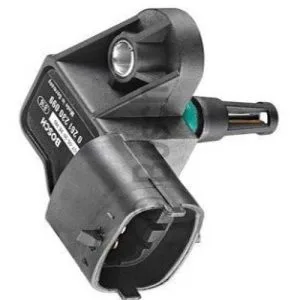
This sensor also determines the proportion of air density inside the engine chambers at any given moment. The computer then uses this information in a volumetric efficiency table, which is a three-dimensional chart illustrating the amount of air density that allows the car's engine to function normally. Consequently, the computer utilizes this table to calculate the amount of fuel that should be supplied to the engine at a particular moment while the car is running.
Also read: 4 Signs Indicate Damage to the Car's Axle
In reality, the amount of air in the engine is determined by pressing the gas pedal downwards, changing the angle of the throttle valve opening. When this valve is fully open, the intake manifold pressure becomes somewhat equivalent to the surrounding atmospheric pressure of the car. Because the air sensor operates similarly to the absolute pressure sensor, some cars only contain one of them. However, having both in the car is preferable because it allows the computer to determine a more accurate value of air density, which does not change with temperature variations.
Camshaft Sensor:It is one of the important car sensors, as it works on managing fuel consumption, and oversees the operation of the engine's ignition system. This sensor must be present in all modern cars due to its importance, as it is responsible for the proper and optimal operation of the car's engine.
It's worth noting that the location of this sensor is not fixed and varies from one car to another, but it is typically located on the upper part of the engine, near the valve cover, and may be found at the front or rear of the engine head in some other cars. There are 2 or 4 camshaft sensors in modern engines with Variable Valve Timing (VVT) oil flow control valves.
Crankshaft Sensor:Also known as the Crankshaft Position Sensor (CPS), it is a sensor that helps track and determine the rotation speed and the position of the crankshaft. This information is supplied to the car's computer to control the fuel supply process, determine when the ignition system should be activated, and is crucial in measuring the engine's rotations per minute (RPM). The information it provides is also used in engine management. If the crankshaft sensor cannot provide accurate information, you may be unable to start your car's engine.
Fuel Pressure Sensor FRP:It is one ofCar SensorsThe main function of this device is to measure the pressure inside the fuel injector rail in a very short time and with high accuracy, and then send the value to the car's computer in order to control the fuel pressure through the regulator. Usually, this sensor is located near the middle of the injector rail. It gathers precise data and sends it to the computer, which analyzes this data, makes necessary adjustments, and controls the timing and quantity of fuel supply.
If the engine is supplied with more fuel than it needs in the combustion chamber, the car's fuel consumption will increase. Consequently, the smoke and emissions released from the exhaust will also increase. This will result in reducing the lifespan of many internal engine parts.
Frequently asked questions
What do car sensors do?
Car sensors collect data and different information and send it to the car's computer. The computer uses it to give the best engine performance and response in all situations.
Can car sensors be repaired when they fail?
Car sensors usually cannot be repaired, because they break down over a specific period of time. The car owner is therefore forced to replace them.
What happens if the crankshaft sensor fails?
If the crankshaft sensor cannot provide accurate information, you may be unable to start your car's engine. This sensor tracks the rotation speed and position of the crankshaft, and the computer uses its information to control fuel supply and ignition.
What is the difference between the MAF and MAP sensors?
The MAF sensor measures the flow of air mass entering the engine, while the MAP sensor measures air pressure in the intake manifold. Some cars have only one of them, but having both lets the computer determine air density more accurately.
Where is the camshaft sensor located?
The camshaft sensor's location varies from one car to another, but it is usually on the upper part of the engine, near the valve cover. In some cars it is at the front or rear of the engine head.
Related articles
 Electrical
Common Symptoms of Car Alternator Failure and Methods of Treatment
Car alternator failure can stop your car from operating properly. Learn the main symptoms, causes and methods of treatment for alternator faults.
4 min read Electrical
Get to know 6 types of car fuses and how to check them.
Car fuses control many vehicle devices. Learn about six types of car fuses and how to check faults that may stop them working.
5 min read Electrical
The Idle Sensor: Location, Repair, and 3 Damage Causes
The idle sensor regulates air intake while the engine is idle. Learn its location, damage symptoms, repair methods, and 3 causes of failure.
4 min read