
Engine
3 Signs Indicating Damage to the Valve Seals
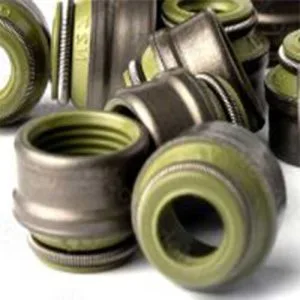
Damaged valve seals can cause blue or gray smoke at start-up, carbon buildup on spark plugs and low engine oil. Valve seals are one of the most important parts of the engine. They contribute to controlling the engine oil consumption, lubricating the intake and exhaust valves. The way they are designed and manufactured is crucial to ensure the best performance and service life of the engine.
Valve seals for your car on Speero:
Pick your car in the engine and transmission section to see the parts that fit, by type, with delivery in 2 to 4 business days.
The main function of valve seals is to control oil passing along the valve stems and limit oil leakage into the engine's combustion chamber.
Generally, the engine valve seals are made from various materials, such as nylon, steel, and rubber. They are sometimes manufactured in complex, highly durable ways by integrating these materials into one design. They fit around the valve stem at the top of the valve guide.
On the other hand, damaged engine valve seals can result in the engine's oil burning and emitting blue smoke, in addition to contaminating the spark plugs with carbon deposits. These issues can negatively impact the engine's lifespan. Therefore, it is necessary to promptly replace the engine's valve seals when required.
Finally, engine valve seals may generally appear similar, but they are not truly identical. Heat resistance depends on the seal's material and specification, not simply whether it is genuine or aftermarket.
Also read:4 Symptoms Indicating Damage to a Car's Control Arms
What are the signs of engine valve seal damage?
These signs can indicate valve seal damage, but diagnosis is needed to confirm the cause:
1- Blue or gray emissions coming out of the exhaust pipe:
This is one of the most prominent and common signs of damaged valve seals. When you start the car engine in the morning, you may notice blue or gray smoke coming out of the exhaust. This can happen when oil leaks past damaged valve seals into the combustion chamber and burns at start-up.
On the other hand, if the car is left for a long time without being started, worn or hardened valve seals may allow oil to leak into the combustion chamber. When the engine starts, the accumulated oil burns, producing blue or gray smoke. Smoke may also appear when accelerating after prolonged idling, but the smoke pattern alone does not identify the fault.
2- Carbon buildup on the spark plug head:
The accumulation of carbon on the spark plug electrodes indicates contamination. This can happen when oil enters the combustion chamber because of damaged seals. However, carbon on spark plugs can have other causes and does not by itself confirm valve seal damage.
3- Engine oil deficiency:
If you notice a decrease in engine oil, this could indicate damage to the valve seals and oil leakage or substantial burning, resulting in a larger-than-usual reduction in its quantity and proportion. You can tell that the engine oil is diminishing by checking the engine oil dipstick.
How does the engine valve seal get damaged?
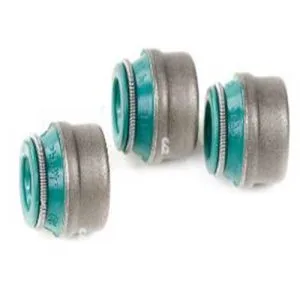
Valve seals wear over time, and neglected oil changes or improper installation can accelerate damage.
Failure to regularly change the engine oil may lead to early damage to the seals.
Improper installation by the maintenance center can quickly lead to damage to the seals shortly after installation.
The difference between valve seals and piston rings.
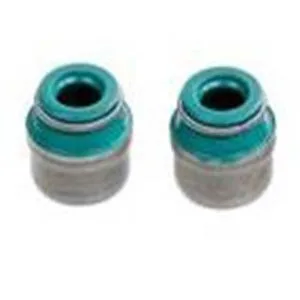
Valve seals control oil passing along valve stems, while piston rings help seal pressure inside the cylinder and control oil on its wall.
Engine Valve Seal: Located around the stems of the intake and exhaust valves, it controls oil flow for lubrication and limits oil leakage into the combustion chamber.
Piston rings: These are several rings surrounding the pistons. Their function is to seal combustion pressure and control the oil film on the cylinder wall.
Symptoms and tests can help identify the cause, but symptoms alone cannot distinguish between the two faults:
- Blue smoke emission from the exhaust pipe: Continuous, dense blue smoke may appear with damaged piston rings, while smoke at start-up that then fades may occur with damaged valve seals. The smoke pattern alone does not confirm the cause.
- Engine Oil Shortage: Damaged piston rings or valve seals can cause oil loss and frequent top-ups, so oil loss alone cannot distinguish between them.
- Decline in acceleration and loss of torque: Damaged piston rings can reduce engine power through loss of combustion-chamber pressure. Valve seal damage alone does not usually cause this pressure loss, but it can affect performance if oil fouls the spark plugs.
- Engine pressure drop: This may indicate a cylinder-sealing problem, but it does not prove piston-ring damage alone. A technician needs to diagnose the cause.
Do valve seal additives work?
A valve seal additive may help in some mild cases only. It may temporarily reduce blue smoke at start-up and oil loss, but it cannot repair cracked or worn seals. The treatment is added to engine oil and contains ingredients that soften hardened rubber and restore some flexibility, which may help the seal maintain contact with the valve stem. Some products also slightly increase oil viscosity, reducing leakage into the combustion chamber.
Follow the quantity stated on the packaging and do not exceed it. Allow the distance specified by the manufacturer for the treatment to take effect. If blue smoke or oil loss continues, have a technician diagnose the cause; a lack of improvement does not prove that valve seals are responsible. Continuous, dense blue smoke may be associated with piston-ring damage or other causes, and an additive is not a substitute for diagnosis and repair.
How are valve seals replaced?
Valve seal replacement steps vary by engine. Access may require removing the valve cover and camshaft, then compressing each valve spring, removing the old seal and fitting the new one. On engines that permit the cylinder head to remain in place, a technician may use compressed air inside the cylinder to prevent the valve from dropping while the spring is removed, following the engine's workshop procedure. If the valves themselves are worn, the head may need to be removed.
The seals are replaced together as a set because they experience the same heat and wear. The work requires special tools and precision, and improper installation can quickly damage the new seals, so it is best carried out at a maintenance center.
How do you buy the right valve seal set for your car?
To buy a valve seal set on Speero, select your car once by make, model and year to see only compatible parts, then choose between genuine and aftermarket parts. Pay attention to quality: select the set according to the engine's specifications, as appearance alone does not establish compatibility or heat resistance.
Sellers on Speero ship orders to any city in Saudi Arabia, with delivery in 2 to 4 business days. Returns are free within 7 days of delivery.
Frequently asked questions
What are the signs of bad valve seals?
The three main signs of damaged valve seals are blue or gray smoke from the exhaust when you start the engine, carbon buildup on the spark plug head, and low engine oil. You can tell the oil is dropping by checking the engine oil dipstick.
How long do valve seals last?
Valve seals have no fixed lifespan; it varies by engine and driving conditions. Not changing the engine oil regularly or improper installation can damage them early.
Why does blue smoke come out of the exhaust when I start the car in the morning?
Worn or hardened valve seals may allow oil to leak into the combustion chamber while the car is parked. When the engine starts, the accumulated oil burns, producing blue or gray smoke. Smoke alone is not enough to confirm the cause.
How do I tell valve seal damage from piston ring damage?
Blue smoke at start-up that then disappears may point to valve seals, while continuous, dense smoke may point to piston rings. However, both faults can cause frequent oil loss, and engine performance may also be affected. Smoke patterns and oil loss alone cannot settle the diagnosis; a technician needs to distinguish the cause.
Related articles
 Engine
Cleaning the car injectors in the best possible way.
Learn why cleaning car injectors matters, what causes dirt buildup, and the best method and solutions to restore engine performance.
4 min read Engine
Timing Belt: 3 Signs Indicating Damage
A timing belt keeps the crankshaft and camshaft in sync. Learn why timely replacement helps prevent reduced engine performance or failure.
4 min read Engine
Gear Shift Lever: A Sign of Gearbox Mount Damage
Learn how a gearbox mount connects the transmission to the car, reduces vibrations, and how wear and corrosion can cause damage.
4 min read