
Car care
Important Pre-Purchase Car Inspection Steps You Should Know

A pre-purchase car inspection is an important and necessary step if you want to inspect any used car yourself before buying it. It confirms that the car is sound and has no recurring problems or faults.
It can give the buyer many benefits and spare them large, costly repairs that may come up in the future. So it is a good idea to follow the steps set out on the Speero website before every car purchase to avoid problems.
Why inspect a car before buying?
Inspecting a car before buying is one of the important steps to take before you decide to buy any car. The inspection helps confirm that the car is sound and has no problems caused by recurring faults.
Inspecting a car before buying gives you several benefits:
- Finding the overall condition of the car: a pre-purchase inspection shows which parts are damaged and need repair or replacement.
- Confirming the engine is healthy: the inspection confirms that the engine is sound.
- Confirming the odometer is accurate: the inspection confirms that the odometer reading is correct and has not been tampered with.
- Confirming the car is safe: a pre-purchase inspection confirms that the car is sound and that there are no problems in the main safety components: the airbags, the brake pads/brakes, the ABS and other components.
- Confirming there is no problem with the registration: the inspection confirms there is no fault in the car's official registration.
- Checking the transmission: it is one of the car's main parts.
- Checking the car's exterior body: make sure it has no major impact damage.
In the end, a pre-purchase inspection can give the buyer many benefits and spare them large, costly repairs that may come up in the future. It is best to follow every step listed below before buying the car to avoid car-related problems. Important questions to ask before the inspection:
- Reason for selling
The reason the owner is selling the car can be an important factor in your decision about the pre-purchase inspection. The sale may be for financial reasons, because the owner needs a different car, or because they live in an area that needs another type of car. Knowing the real reason for the sale helps you assess the car accurately and judge whether it is in good condition and meets your needs. The real reason can also be useful when you negotiate a fair price for the car.
- Is the seller the first or second owner of the car?
Knowing whether the person selling the car is the first or second owner is very important. It helps you assess the car accurately and judge whether it is in good condition and meets your needs. A first owner can give more accurate information than a second owner. A second owner may have used the car for only a short time and may not have full information about it. They may also have done maintenance work before the sale, and this affects the car's condition.
- Has the car been in an accident before?
- Price: the price you pay as a buyer may depend on how many accidents the car has had. The price may be lower if the car has been in accidents in the past.
- Safety: knowing whether the car has been in accidents matters for safety. A car that has been in accidents may have damage to the tyres, wheels, internal gearbox, indicators, lights and other important components. So driving a car that has been in accidents can be more dangerous.
- Maintenance: many components in a car that has been in accidents may need new parts fitted or replaced, so the total maintenance cost for a car that has been in accidents can be higher.
Is the car under warranty?
It is very important to ask the seller this question. A warranty covers you, as the buyer, for the cost of repairing many faults that may happen to the car during the warranty period.
Steps before inspecting a used car
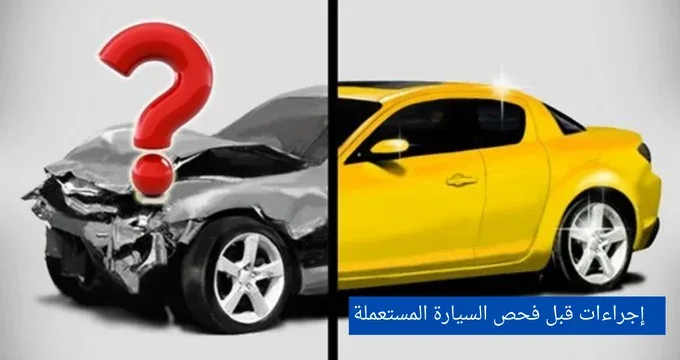
- Reading the car's history records is an important step before inspecting a used car.
- You can check the car's history records to confirm that the car has not had any major technical problems in the past, or that any problems were fully fixed.
- You can find this information in the maintenance documents that come with the car.
To check the car's history records, you can take several steps:
Check traffic accidents on the ministry website
It is very important to check the traffic accidents the car has had. This confirms the car's history and real condition and shows whether it has been in accidents or not. It also helps you work out the right price for the car.
Check the available maintenance documents
Ask the seller when the car last had its periodic inspection. This lets you check the maintenance documents that come with the car and confirm that the car has had the necessary maintenance and is in good condition.
Read also: Car brakes: 5 different types
Check maintenance records at the authorised dealer
Check the car's maintenance records at its authorised dealer to confirm that it has had the necessary maintenance and is in good condition. You can get this information by contacting the car's authorised dealer and asking for the history records.
Check the car's legal status
You can check the car's registration records to confirm that it is in good standing and has not been used in any illegal activity, such as theft or murder. You can get this information by contacting the relevant authorities to check the car's registration records.
Check insurance records
You can check the car's insurance records to confirm that it has not had any major accidents in the past, or that any damage was fully repaired.
Pre-purchase car inspection steps
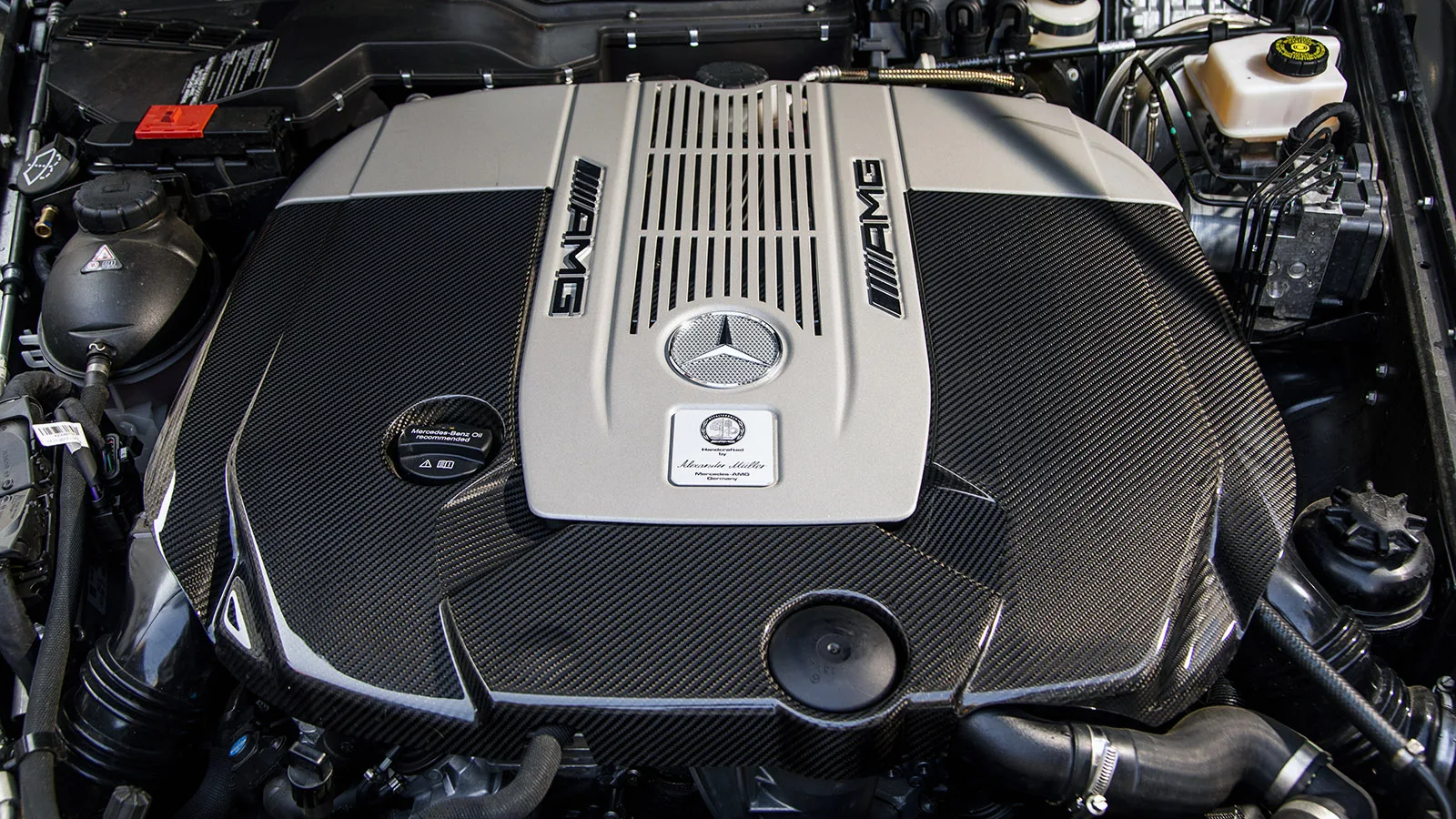
If you are about to buy a used car and want to inspect it yourself, here are the main steps that will help you inspect the car before buying and find out whether it has any defects:
Interior and exterior inspection
This is the first step in a pre-purchase inspection. Inspect the inside and outside of the car and look for any defects or marks.
Look for scratches and other marks on the car's exterior body and in the cabin to confirm the car is in good condition. Also check the condition of the seats, trim and interior equipment and make sure they are intact.
To check the car's interior and exterior condition, you can take several steps:
- Interior inspection:
Checking the speedometer:
Checking the speedometer helps confirm that it and the car's other gauges work correctly and accurately. This can help keep the car's drive and control systems in order and prevent faults in the future.
Checking the trim and seats:
The car's trim and seats can be damaged by many factors, such as frequent use or direct sunlight. The inspection helps you judge their overall condition.
Checking the AC and refrigerant (Freon) pressure:
Check the car's AC and refrigerant pressure, because it gives general information about the car and how it works. You can do this with a careful inspection.
Checking accessories and electrical parts:
This check gives information about the car and how it works, such as the lights, the AC, the sound system and the heating.
Checking how the car starts and runs:
Checking how the car starts and runs before you decide to buy is an important step to confirm it is in good condition and has no problems.
- Exterior inspection:
Checking the car body:
Checking the body helps you confirm that the car is in good condition and has no defects such as scratches or dents. It also helps you estimate the cost of any needed repairs before buying.
Checking the shock absorbers:
Checking the shock absorbers is a very important step. It confirms they work fully and properly and will not need repairs in the near future.
Checking the lights:
Checking the lights confirms they have no problems and do not need repairs. Make sure they are mounted firmly.
Checking the tyres:
Check the tyres to judge their full condition and confirm they have no defects. This check can affect your purchase decision.
Checking the mechanical parts and fluids
Checking the engine bay: make sure the engine is in good condition and has no problems.
Checking the engine, brake and transmission oil:
- Check the oil level in each of these parts.
- Make sure the type of oil used in the car suits these parts and is approved by the manufacturer.
- Check the condition of the oil and make sure it has no problems.
Checking the radiator water: check whether the radiator water is at the right level or whether it is low.
Test drive the car
Before buying, drive the car for long enough to confirm it is in good condition. Drive it on different roads and in different conditions, such as wind, dust and water, to confirm the car is sound.
Listen to the sounds the car makes.
Make sure no unusual sounds appear while you drive. For example, listen for noise from the wheels or the engine. Pay attention to every sound that may appear while driving.
Conclusion
In closing, remember that inspecting a car before buying is an important step to confirm that the car is in good condition and works well. Inspect the interior and exterior of the car, the engine, the seals, the engine's external components and the car's overall performance.
Also check for any sounds that may appear while driving. All of this helps you confirm that the car is in good condition and that you can rely on it in the future.
Frequently asked questions
Why should I inspect a used car before buying it?
A pre-purchase car inspection confirms the car is sound and has no recurring faults. It spares you large, costly repairs later.
What questions should I ask the seller before the inspection?
Ask why the car is being sold, whether the seller is the first or second owner, whether the car has been in an accident before, and whether the car is under warranty.
How do I check a car's history before buying?
Check traffic accidents on the ministry website, and review the maintenance documents that come with the car and the maintenance records at the authorised dealer. Also check the registration records and insurance records.
What parts should I check on a used car?
Check the interior: the speedometer, trim and seats, AC, electrical parts and how the car starts and runs. Check the exterior: the body, shock absorbers, lights and tyres, then the engine bay, the engine, brake and transmission oil, and the radiator water.
Is a test drive necessary before buying a car?
Yes, drive the car for long enough on different roads and in different conditions. Listen for any noise from the wheels or the engine while you drive.
Related articles
 Car care
Signs Car Parts Need Replacing: Which Mean Immediate Replacement?
Worn car parts can cause breakdowns and risks on the road. Learn the main signs of wear and when to replace parts to keep your car performing safely.
10 min read Car care
Difficulty Starting the Car in Cold Weather: 4 Ways to Fix the Problem
Learn why cars can be difficult to start in cold weather and discover four ways to fix the problem, saving time, effort, and embarrassment.
4 min read Car care
Common Car Trouble Sounds and Their Causes
Learn how unusual car sounds can indicate faults, their severity, and potential safety risks. Discover seven common sounds, sources, and causes.
4 min read