
Engine
Learn about the types of oils in the car.

This is consideredThe oils in the carOne of the essential components in a car system is used in lubricating the engine and other moving parts in the car. However, there are different types of oils used in cars. Car owners need to know the differences between them and choose the right type to ensure optimal car performance and proper maintenance.
Types of Oils in the Car
Traditional Engine Oil
Traditional engine oil is the most common type of oil used in cars and is utilized in most models and various types of vehicles. Traditional engine oils are derived from petroleum and are distinguished by the fact that they contain chemicals that help reduce friction between the moving parts in the engine and protect them from wear and rust. They also aid in improving engine performance and prolonging its operational life.
It's worth mentioning that there are several different types of conventional engine oils. These types vary in oil viscosity and the appropriate engine operating temperature for these oils. Therefore, it is advisable to consult the vehicle's user guide to know the most suitable type of conventional engine oil to use in the car, as it must be.Change the car's oilRegularly, according to the schedule recommended by the car manufacturer.
2- Synthetic Engine Oil
Synthetic engine oil is one of the most advanced types of car oils, characterized by its enhanced formula that provides greater engine performance and protection. It is produced using modern manufacturing techniques, including the use of chemical substances and high-quality raw materials, making it more efficient than traditional oil.
Synthetic engine oil features several characteristics, most notably its ability to withstand high temperatures and friction between moving parts. It also provides greater engine protection against wear and rust, and is known for improving engine performance and reducing fuel consumption.
3- Semi-synthetic engine oil
Semi-synthetic engine oil is one of the most important oils in a car. It is a type of oil made from a mixture of base oils and synthetic chemicals. This oil is distinguished by its ability to provide superior performance for engines at high temperatures and provide ultimate protection for the engine under difficult operating conditions.
Semi-synthetic engine oils are distinguished by their superior performance at high temperatures, making them ideal for use in harsh conditions and hot weather areas. These oils also offer superior engine protection from wear and tear, and help to improve engine efficiency and fuel economy.
Semi-synthetic engine oils can be used in most modern engines, including gasoline and diesel engines that require high-performance oils. Some studies suggest that the use of this type of oil leads to a reduction in exhaust gas emissions and environmental protection.
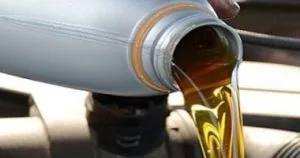
4- Light engine oil
Light engine oil is used in cars operating in cold environmental conditions, and it is one of the most important oils in the car as it can provide better lubrication for the engine at lower temperatures.
It also helps to improve startup and reduce wear caused by slow movement at low temperatures.
5- High-performance engine oil
High-performance engine oil is distinguished by its ability to withstand extreme pressures and high temperatures, and is used in sports and luxury cars that require higher performance.
This oil contains additives such as antioxidants and anti-friction agents to ensure engine protection and better performance.
6- Transmission Fluids
Cars with automatic and manual transmissions use different types of oils to lubricate the transmission system. Automatic transmission fluid is one of the most important oils in the car, given its ability to withstand and adapt to high temperatures. Meanwhile, manual transmission fluid uses traditional oil with additives that improve its performance and protect it from corrosion.
By choosing the right oil for your car's engine, you will maintain the engine's performance and protect it from wear and tear, as well as improve fuel efficiency and prolong the life of the car.
Therefore, you should always follow the car manufacturer's recommendations and consult with a car expert to get the best type of oil suitable for your car's use.
7- Steering Oil
Steering oil is used to lubricate the steering system in a car and is one of the most important oils in the vehicle as it helps to improve rotation smoothness and control over the car.
Its composition differs from that of engine oil, and it's essential to use the type recommended by the car manufacturer.
8- Brake Oil
Brake oil is used in the hydraulic brake system, it withstands the high pressure that occurs in it, and helps to convert the pressure generated by the fluid into a stopping force for the brakes.
You should use the type of oil recommended by the car manufacturer to ensure optimal performance of the brake system.
9- Airbag Oil
Airbag oil is used in the car's airbag system and is one of the most important oils in the car. It contains special additives to improve the performance of the airbags and ensure they work correctly in case of accidents. The type of oil recommended by the car manufacturer should be used to guarantee optimal performance of the airbag system.
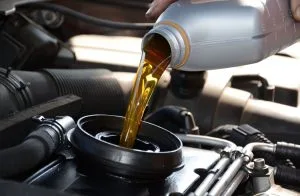
By using the appropriate oils inCar SystemImproving the car's performance, ensuring passenger safety, and maintaining the car are crucial. You should make sure to use the appropriate type of oil and follow the car manufacturer's recommendations. Consult with experts if you are uncertain about the type of oil to use in your car.
Frequently asked questions
What are the types of oils in a car?
The oils in a car include engine oil in its types: conventional, synthetic, semi-synthetic, light and high-performance. They also include transmission fluids, steering oil and brake oil.
What is the difference between synthetic and conventional engine oil?
Conventional engine oil is derived from petroleum and reduces friction between moving parts, protecting them from wear and rust. Synthetic oil is made with modern manufacturing techniques and high-quality raw materials and withstands high temperatures, which makes it more efficient than conventional oil.
Which engine oil suits hot weather?
Semi-synthetic engine oils perform well at high temperatures, which makes them suitable for hot weather areas. Synthetic engine oil also withstands high temperatures.
How do I know which oil is right for my car?
Check your car's user guide and follow the manufacturer's recommendations. If you are unsure of the type, consult a car expert.
Related articles
 Engine
White exhaust smoke: 5 causes and when it is serious
White exhaust smoke is either normal steam that clears in minutes, coolant entering the engine, burning oil, or unburned fuel. Smell and timing tell you which.
4 min read Engine
Gas Mileage: 13 Techniques to Improve Fuel Consumption
Learn what fuel efficiency means and how improving gas mileage can reduce fuel costs while helping maintain engine health and car performance.
6 min read Engine
When should the oil in a new car be changed? 4 signs indicate that.
Learn how often to change oil in a new car, from older 5,000 km or 6-month guidance to current recommendations of 10,000 km or 12 months.
4 min read