
Engine
Engine Radiator: 3 Signs Indicating its Damage
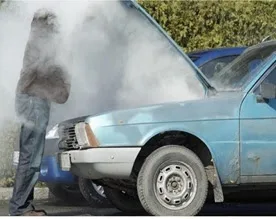
The engine is a crucial part in a car, and to ensure its optimum operation it requires numerous other components and parts. Among the most prominent important parts for the car engine is the engine cooler.
The engine cooler works to cool the engine to ensure its high efficiency. However, over time, it can get damaged just like other parts of the car. So let's learn about the signs and reasons for its breakdown.
What is the engine's cooler?
The car's engine radiator works to cool the engine and prevent it from exposure to excessive heat which can cause damage. It consists of a set of small tubes connected to the radiator tank and the car's engine.
The cooled water passes through these pipes and cools the engine before returning to the radiator tank to cool down again, and the cooled water is pumped using the water pump located in the engine.
Benefits of Cleaning the Engine Radiator
Cleaning the radiator of your car is extremely important for the health and performance of the engine. There are many benefits associated with this process, such as:
Improve engine performance
When the radiator is clean, it can cool the engine better and more efficiently, which leads to improved engine performance and reduced fuel consumption.
Maintaining the health of the engine.
The accumulation of dirt and deposits inside the engine can damage the sensitive components of the motor, forcing you to bear the high costs of its repair.
Extend the life of the engine
When you regularly clean your engine's radiator, it can potentially extend the engine's lifespan. The cleaning process can prevent damage and harm that could occur to the engine.
Avoid future problems
Regularly cleaning the car's engine cooler can also help you avoid future problems that may occur in the engine, and it can help you maintain the value of your car.

Signs of Engine Radiator Failure
It is considered a vital part of the engine, therefore, it must be cared for and checked regularly to ensure its integrity. Some of the signs that indicate the radiator is damaged include:
1- Increase in engine temperature:
An increase in the engine's temperature may indicate a problem with the radiator which helps in cooling the engine. If it is damaged, it can cause the engine's temperature to rise.
Also read:Should the engine be warmed up when the car is cold?
2- Oil Leakage:
An oil leak from the radiator can indicate its malfunction, as there could be damage to the hoses or gaskets surrounding the radiator.
3- Unusual Sounds:
If there are unusual sounds coming from the engine area, it might indicate a problem. This may happen due to the wear and tear of the parts in the radiator.
4- Poor Performance:
If the car's speed or power is weak, this may indicate a malfunction in the engine's radiator, as its failure can affect the performance of the engine in general.
5- Exhaust Smell:
If there is an unusual smell coming from the exhaust, it may be due to its malfunction. The catalytic converter is responsible for removing toxic exhaust gases, and if there is a fault with it, it may result in the emission of toxic exhaust.
6- Water Leakage:
If you notice water leaking under your car, it could be a sign of a water leak from the radiator. Water leakage could occur due to damage in the water lines or the corrosion that happens in them.
7- Increase in engine temperature:
If you notice that your car's engine temperature is rising more than usual,
This could be due to the radiator not functioning properly. If it is blocked or damaged in some way, it will not be able to sufficiently cool the engine, leading to an increase in its temperature.
8- Increased Fuel Consumption:
If you notice an increase in fuel consumption without any change in your driving style or road conditions, this may be due to improper functioning. If the radiator is unable to adequately and properly cool the engine, this will lead to increased fuel consumption.
Reasons for Engine Radiator Damage
Damage to the radiator can lead to significant damage to the engine and may result in costly repairs. Common reasons for damage to your car's radiator include:
1- Not changing fluids regularly:
The oil needs to be changed.Engine OilRegularly replace the coolant and hydraulic fluids according to the manufacturer's recommendations, as this contributes to protecting the engine from corrosion and damage.
2- Exposure to external factors:
The radiator can be exposed to external factors such as dust, dirt, humidity, and rain, which can lead to its corrosion and damage.
3- Poor Usage:
Avoidance is necessary.Engine fatigueThe radiator can be forced to work for extended periods without rest, and it is necessary to avoid straining the engine and the radiator by driving the car at high speeds and stopping and starting abruptly.
4- Electrical Failures:
The electrical system may be subject to technical errors such as sudden power outage or electrical circuit shortage. This can lead to damage to the car's cooling system and consequently to engine damage.
5- Accidents:
The car's engine cooler may get damaged in the event of a car accident or if the engine is subjected to any type of shocks.
Engine coolant system air bleeding
Refrigerator air conditioning is an important thing that needs to be taken care of to maintain the health of the engine and extend the lifespan of the refrigerator. This is done by flowing clean air into the engine, which cools the engine and maintains its correct and appropriate temperature.
In addition, it is crucial to ensure the integrity and safety of the pipes and hoses that transport air within the engine. Damage or perforation in these pipes could lead to incorrect air flow, which adversely affects engine performance and can cause damage to the radiator.

The Conclusion
The engine radiator is an important part of the engine cooling system, and when it gets damaged, it greatly affects the performance of the car. You can recognize signs of its damage, which leads to an increase in engine temperature or increased fuel consumption.
Drivers should regularly check the condition of the engine radiator and maintain it by following some preventive measures. If any damage is detected, it is best to replace it with a new piece to avoid potential problems in the future.
Frequently asked questions
What does an engine radiator do?
The engine radiator cools the engine and protects it from excess heat that can damage it. It is made of small tubes connected to the radiator tank and the engine, and the water pump pushes cooled water through them.
What are the signs of a bad engine radiator?
The main signs are a rising engine temperature, water or oil leaks, and unusual sounds from the engine area. You may also notice poor performance and higher fuel consumption.
Why does an engine radiator fail?
Common causes are not changing fluids regularly, exposure to dust and humidity, poor usage, electrical faults and accidents.
Is cleaning the engine radiator worth it?
Yes. A clean radiator cools the engine more efficiently, which improves performance and reduces fuel consumption. Regular cleaning can also extend the engine's life.
When should I replace my engine radiator?
If you find damage, it is best to replace it with a new part to avoid engine problems later. Check it regularly.
Related articles
 Engine
10 Signs Indicating Engine Belt Damage
The engine belt connects the crankshaft and camshaft, transferring motion and power. Learn the signs that indicate engine belt damage.
4 min read Engine
The valve cover shows 4 signs indicating its damage.
Learn about the valve cover and the 4 signs that indicate damage or malfunction, and when it may need maintenance or replacement.
4 min read Engine
Inspecting Car Injectors: 4 Important Methods for Doing So
Car injectors affect engine performance and fuel consumption. Learn why regular inspection helps maintain efficient fuel distribution and combustion.
4 min read