
Electrical
MAF air sensor: symptoms, how to test it and clean it
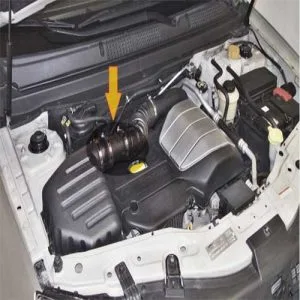
Speero lists four signs of a bad mass air flow (MAF) sensor: the engine light on the dashboard, weak pull when you press the accelerator, a rough idle when stopped, and higher fuel use. The MAF sensor measures the mass of air entering the engine and sends the reading to the car's computer, which uses it to set the amount of fuel. When the sensor is dirty or faulty, the air-fuel ratio drifts and these symptoms appear. A scan tool (OBD) check helps show whether the fault is in the sensor itself or in the air filter, hoses or wiring, so confirm the fault before you replace the sensor.
How does the air flow sensor work?
Speero explains that inside the sensor there is a thin wire heated electrically. The current needed to keep it hot is what becomes the air mass reading. In short:
- When you press the accelerator the throttle opens, so a larger mass of air passes over the heated wire.
- The air cools the wire, so more current is needed to keep it hot. More air means more current.
- An electronic chip inside the sensor converts that current into a signal and sends it to the car's computer.
- The computer uses the signal to calculate how much fuel to inject, keeping the air-fuel ratio within its correct range.
- The computer also uses the same reading to time gear changes, which is why a failing sensor can cause delayed or harsh shifting.
Air density changes with temperature and atmospheric pressure. A mass sensor accounts for that difference, which makes it more accurate than a volume sensor at setting the air needed for each cylinder.
What are the symptoms of a bad air sensor?
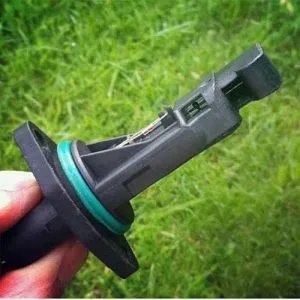
Speero notes that the air sensor usually fails because dust and dirt build up on the wire or because of age. Excess voltage from the battery or alternator can also damage it. When the computer sees an implausible reading it turns on the engine light. These are the main signs:
First: the engine light. The most common sign of a failing MAF sensor is the engine light on the dashboard. The light comes on for many reasons other than the sensor, so have a technician read the codes with a scan tool before you blame the sensor.
Second: weak pull. If you feel a delay when you press the accelerator, or weak acceleration at higher speeds, the computer may be injecting less fuel than needed because of a low reading from the sensor.
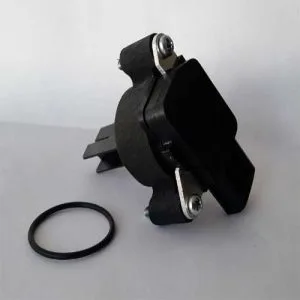
Third: rough idle. When more air enters than the sensor reports, the mixture runs lean and does not burn properly, so the engine shakes while you are stopped. With a dirty sensor the RPM needle may fluctuate at idle.
Fourth: higher fuel consumption. If the sensor reads higher than reality, the computer injects extra fuel. Consumption rises and the car may produce black smoke from the exhaust.
Where is the air sensor in a car?
Speero notes that the air sensor sits in the intake duct between the air filter box and the throttle body, usually on the hose that leaves the filter box, with a small electrical connector. Removing it is simple on most cars: unplug the connector and undo the screws or clips. Never touch the wire or the film element with your hand or any tool. It breaks easily and the sensor then has to be replaced.
How do you test the air sensor?
Speero recommends starting any air sensor check with a scan tool (OBD) before removing anything, because the same symptoms appear with other faults. The technician's steps:
- 1Read the codes: P0100 to P0104 relate to the MAF sensor circuit, while P0171 and P0174 (lean mixture) usually appear with a dirty sensor or an air leak after the sensor.
- 2Compare the live reading: the scan tool shows the sensor reading in grams per second, and it should rise smoothly with engine speed. A reading that stays flat or jumps for no reason points to a fault in the sensor, its wiring or the intake, which needs further checks.
- 3Check around the sensor: a dirty air filter restricts airflow, a torn or loosely fitted one lets dust reach the sensor, and a cracked hose after the sensor lets in unmetered air. Each can cause similar symptoms. Replace the engine air filter if it is dirty before judging the sensor.
- 4Check the connector and wiring: corrosion, moisture or a loose connector gives a false reading even when the sensor is sound.
- 5Inspect after removal: a layer of dust or oil on the wire means cleaning is the next step.
What happens if you unplug the air sensor?
Speero explains that if you unplug the air sensor, the computer on many cars switches to a fallback mode: it estimates air from the TPS sensor and engine speed instead of the real reading, and the engine light comes on. How the car behaves in this mode varies by make, and if the TPS sensor is also faulty the engine runs worse. Some technicians use unplugging as a quick check: if the engine runs better without the sensor, the sensor may be dirty or faulty, but that alone does not prove it. Switch off the ignition before you unplug or reconnect the sensor, and follow the test procedure for your car. Do not drive with the sensor unplugged: the mixture is only an estimate, fuel use rises and the catalytic converter can suffer over time.
What is the difference between a MAF sensor and a MAP sensor?
Speero explains that a MAF sensor measures the mass of air actually entering the engine and sits in the intake duct before the throttle. A MAP sensor measures the air pressure inside the intake manifold after the throttle, and the computer calculates the air amount from it. Some cars use only one of them; others have both. The symptoms are similar (engine light, weak pull, rough idle), but the diagnostic codes help tell them apart: MAF codes run from P0100 to P0104 and MAP codes from P0105 to P0109. Reading the codes and confirming the fault helps you avoid buying the wrong sensor.
How do you clean the air sensor?
Speero recommends cleaning the air sensor only if your car's service book allows it, and only with a spray made for MAF sensors, because dust and oil build up on the wire and weaken its reading over time. The steps:
- 1Switch off the engine and unplug the sensor's connector.
- 2Remove the sensor from the intake duct without touching the wire or film.
- 3Spray the wire from a distance in several short bursts, with no rubbing and no brush.
- 4Leave it a few minutes until fully dry, then refit it, reconnect the plug and start the car.
Inspect and clean the sensor at the intervals in your car's service book, and check it more often if you drive in dust. Replace the engine air filter on the service schedule, because the filter is the sensor's first protection from dust.
Can the air sensor be repaired, or must it be replaced?
Speero's catalogue lists the air sensor as Air Flow Meter Sensor, and once you set your car by model and year, only parts that fit it appear. The air sensor cannot be repaired in the usual sense: it is either cleaned or replaced. If the codes and symptoms return after cleaning and after checking the connector, wiring and hoses, have a technician confirm the sensor is at fault before you buy a new one. If the symptoms include the engine cutting out suddenly or hard starting, the fault may be the crankshaft sensor rather than the air sensor.
Parts of the air sensor
Speero notes that the air sensor has five main parts that work together to measure the mass of air entering the engine:
- Body: a plastic or metal housing fitted in the intake duct between the air filter and the throttle, through which all the air the engine draws passes.
- Sensing element: a thin electrically heated wire, or in some sensors a thin heated film, which is the part cooled by the passing air.
- Air temperature sensor: a small resistor built into many MAF sensors that measures intake air temperature, which the computer uses alongside the flow reading.
- Electronic chip: converts the current needed to heat the wire into a signal the car's computer reads.
- Connector and wiring: join the sensor to power and to the computer. Moisture or corrosion here gives a false reading even when the sensor itself is sound.
What causes the air sensor to fail?
Speero notes that the most common cause is dirt building up on the sensing element. Other causes include:
- A torn or loosely fitted air filter: dust passes straight to the heated wire and coats it with a layer that insulates it from the air.
- Oil carry-over: over-oiling a washable air filter, or oil vapour returning from the engine, leaves a sticky film on the wire.
- Wrong cleaning: touching the wire with fingers or a brush, or using a cleaner not made for MAF sensors, breaks the wire or damages the film.
- Moisture and water: pressure-washing near the sensor during an engine wash, or water collecting in the intake duct, damages the electronics.
- Electrical problems: high voltage from the battery or alternator, and a corroded or loose connector.
- Age: as the years and kilometres add up, the sensing element loses accuracy even if it stays clean.
Frequently asked questions
What are the symptoms of a bad air sensor?
Speero lists four signs of a bad air sensor: the engine light on the dashboard, weak pull, rough idling when stopped, and higher fuel consumption. Read the diagnostic codes before replacing the sensor, because the same symptoms appear with other faults.
How do I test the air sensor?
Speero recommends testing it with a scan tool (OBD) first: codes P0100 to P0104 relate to the sensor circuit, and its live reading in grams per second should rise smoothly with engine speed. Then check the air filter, hoses, connector and wiring before judging the sensor itself.
What happens if I unplug the air sensor?
Speero notes that on many cars the computer switches to a fallback mode, estimates air from the throttle sensor and engine speed, and turns on the engine light; the exact behaviour varies by car. If the engine runs better unplugged, the sensor may be dirty or faulty, but that does not prove it. Switch off the ignition before you unplug or reconnect it, and do not drive with it unplugged, because fuel use rises and the catalytic converter can suffer.
Does the engine light mean my air sensor is bad?
Speero notes that the engine light does not always mean the air sensor is bad. The engine light can come on for many faults in the car, so have a technician read the codes to diagnose the problem.
What is the difference between MAF and MAP sensors?
Speero explains that a MAF sensor measures the mass of air entering before the throttle; a MAP sensor measures manifold pressure after the throttle. The symptoms are similar, but the codes help tell them apart: P0100 to P0104 for MAF and P0105 to P0109 for MAP.
How often should I clean the air sensor?
Speero recommends following the intervals in your car's service book, and checking the sensor more often if you drive in dust. Clean it only if the service book allows it, with a spray made for MAF sensors, and without touching the wire.
Where is the air sensor located in a car?
Speero notes that the air sensor sits in the intake duct between the air filter box and the throttle, usually on the hose leaving the filter box, with a small electrical connector. Do not touch the internal wire, as it breaks easily.
Can the air sensor be repaired or does it need replacing?
Speero lists the air sensor as Air Flow Meter Sensor once you set your car's model and year. The air sensor cannot be repaired; it is cleaned or replaced. If the symptoms return after cleaning and after checking the connector, wiring and hoses, have a technician confirm the sensor is at fault before you buy a new one.
How can I make the air sensor last longer?
Speero notes that you extend the air sensor's life by servicing the engine air filter and replacing it on schedule, and by keeping pressure washers away from the intake duct during an engine wash.
Related articles
 Electrical
Exhaust Sensor: 5 signs indicating its damage
Exhaust sensor monitors unburned oxygen and burned fuel ratios, helping reduce unburned fuel and harmful nitrogen oxide emissions.
4 min read Electrical
Dynamo Failure: 5 Symptoms Indicating its Damage
Learn the symptoms of dynamo failure caused by prolonged use or neglect, and how alternator damage can affect your car’s electrical system.
5 min read Electrical
6 Signs Indicating Damage to the Car's Switch
A car's switch controls essential functions, including ignition, lights, windows, indicators, wipers, and the fan. Learn how it works.
5 min read