
Engine
Black smoke from the exhaust: causes and how to fix it
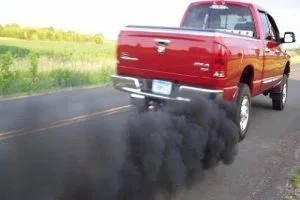
Why does black smoke come from the exhaust?
Speero sums the cause up in one sentence: black smoke means the engine is burning more fuel than the air coming in can support. Every cause below comes back to that point. Either air is short, fuel is excessive, or the spark is weak and the fuel does not burn fully.
Causes of black smoke from the exhaust
1. Clogged air filter
A clogged air filter is the first thing to check and the cheapest cause. Saudi dust blocks a filter quickly. If the filter is black and full of sand, not enough air reaches the engine, the mixture goes rich and black smoke appears, especially on acceleration. Change the filter and test before any other step.
2. Fuel injectors
A worn injector, or one stuck open, sprays more fuel than needed into the cylinder. The signs that go with it: a rough idle, a strong fuel smell from the exhaust and higher consumption. Cleaning the injectors sometimes solves it. A leaking injector needs replacing. Fuel injectors are listed under engine and transmission on Speero.
3. Air flow sensor or oxygen sensor
The air flow sensor (MAF) measures incoming air and the oxygen sensor measures the mixture in the exhaust. If either gives a wrong reading, the computer adds fuel believing there is more air. The tell-tale sign here is the check engine light on together with the smoke. Read Exhaust sensor: 5 signs it has failed and the TPS sensor article to tell which one is responsible.
4. Stuck EGR valve
The exhaust gas recirculation (EGR) valve sends part of the exhaust back into the engine to lower temperature. If carbon holds it open, exhaust enters instead of air, oxygen drops and black smoke appears with a loss of power. Cleaning the valve is enough in most cases. A burnt valve gets replaced.
5. Weak spark plugs and coils
If the spark is weak the fuel does not burn fully and leaves the exhaust as soot. This is common in older petrol cars whose plugs have not been changed in years. Spark plugs and coils are cheap and easy to replace.
6. Carbon deposits inside the engine
Deposits on the valves and the throttle body shift the mixture over time. Cleaning the throttle body and an injector cleaner in the fuel help. Heavy deposits need a workshop clean.
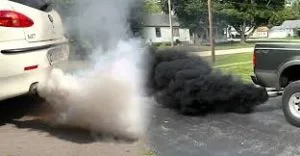
Black smoke on acceleration or at start-up: what is the difference?
Speero separates the two cases because the cause differs. Smoke only under hard acceleration usually points to a clogged air filter, injectors or the air flow sensor, because the engine asks for more air at that moment and does not get it. Smoke at a cold start that clears after a minute points to an injector leaking while parked or a temperature sensor reading wrong and enriching the mixture. Smoke at all times points to the EGR valve or a failed oxygen sensor.
Black smoke in petrol, diesel and carburettor cars
In modern petrol cars the cause is usually a sensor, an injector or the filter. In diesels black smoke is more common, and the first suspects are injectors, the turbo, the air filter and the EGR valve. Light smoke under acceleration in an old diesel is normal. In carburettor cars black smoke means the carburettor is set rich or the float is stuck. The fix is a carburettor adjustment by a technician.
How do I get rid of black smoke?
Speero suggests this order, from cheapest to most expensive:
- 1Change the air filter and test drive.
- 2Read the fault codes with a scanner. An air flow or oxygen sensor code names the part directly.
- 3Change the spark plugs if they are past the usual service interval.
- 4Use an injector cleaner in the fuel tank. If the smoke continues, have the injectors tested at a workshop.
- 5Clean the EGR valve and the throttle body.
- 6If the smoke persists after all of this, check fuel pressure and the pressure regulator.
Does black smoke harm the engine?
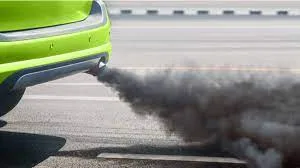
Black smoke by itself does not break the engine at once, but leaving it does harm in the short term. Excess fuel washes oil off the cylinder walls, blackens the spark plugs and clogs the catalytic converter, an expensive part. If the smoke is white or blue the cause is entirely different; see causes of white smoke.
If you need an air filter, injectors or spark plugs for your car, pick the make, model and year on Speero and only the parts that fit it appear.
Frequently asked questions
What does black smoke from the exhaust mean?
Black smoke means the engine is burning more fuel than the incoming air can support. Either air is short, fuel is excessive, or the spark is weak and the fuel does not burn fully.
Why is there black smoke only when I accelerate?
Smoke only under hard acceleration usually points to a clogged air filter, injectors or the air flow sensor. At that moment the engine asks for more air and does not get it.
What should I check first if my car blows black smoke?
Start with the air filter, because it is the cheapest cause and Saudi dust blocks it quickly. Change the filter and test drive, then read the fault codes with a scanner if the smoke continues.
Can black smoke damage my engine?
Black smoke does not break the engine at once, but leaving it does harm in the short term. Excess fuel washes oil off the cylinder walls, blackens the spark plugs and clogs the catalytic converter, an expensive part.
How do I find an air filter or spark plugs that fit my car?
On Speero you pick the make, model and year, and only the parts that fit your car appear, including air filters, injectors and spark plugs.
Related articles
 Engine
4 Reasons Your Car Engine Temperature Rises
The increase in a car engine's temperature is an important issue that anyone driving a car should pay attention to.
4 min read Engine
Car Stuttering When Stopped: 6 Reasons For This.
Stuttering while idle causes uncomfortable vibrations and can disrupt your car’s operation. Learn the causes and suitable solutions for efficient performance.
4 min read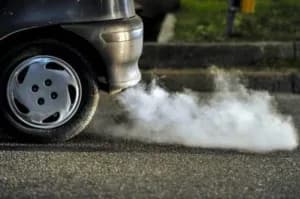 Engine
White exhaust smoke: 5 causes and when it is serious
White exhaust smoke is either normal steam that clears in minutes, coolant entering the engine, burning oil, or unburned fuel. Smell and timing tell you which.
4 min read