
Cooling
Water out of the radiator reservoir: 6 causes and radiator cap check
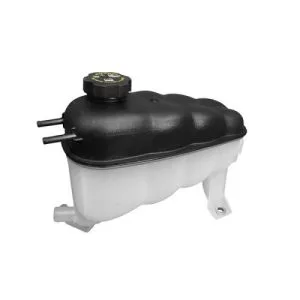
What is the radiator reservoir and what does it do?
The radiator reservoir, as Speero describes it, is a small plastic tank connected to the radiator by a thin hose. Its job is to take in the excess coolant when the engine is hot and give it back when the engine cools. As the engine heats up, the coolant expands. The pressure valve in the radiator cap opens and pushes the excess into the reservoir. As the engine cools, the coolant contracts. The vacuum valve in the cap opens and draws coolant back from the reservoir into the radiator. That is why the level rises a little after a drive and drops again once cold. This is normal as long as the level stays between the MIN and MAX marks. The problem starts when coolant spills out of the reservoir opening, or stays high even after the car has cooled.
Why does water come out of the radiator reservoir? 6 causes
Speero lists the 6 causes from the most common to the most serious.
1. A failed radiator cap
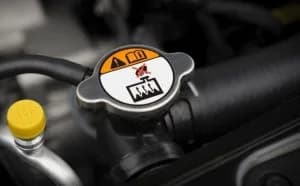
The radiator cap is the first suspect. If its spring has weakened or its seal has cracked, the cap no longer holds pressure in the system. The coolant then boils at a lower temperature than it should, surges into the reservoir and spills over. The cap is a simple part, and replacing it is the first step before any other check. See Radiator cap: 5 signs it has failed.
2. Coolant above the MAX mark
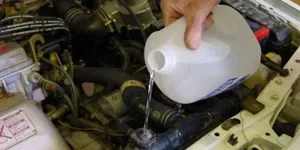
Filling the reservoir past the upper mark is a common and simple cause. The excess has nowhere to expand when hot, so it comes out of the reservoir opening. Check the level with the engine cold. Keep it between MIN and MAX.
3. An overheating engine
If the engine overheats, the coolant boils and overflows from the reservoir no matter how good the cap is. In Saudi Arabia the three most common reasons are these. A thermostat stuck closed. A radiator fan that does not run in traffic. A radiator blocked inside. See Engine overheating: causes and how to prevent it.
4. A failing water pump
The water pump circulates the coolant between the engine and the radiator. If its impeller has corroded or its belt slips, circulation weakens. The engine heats up and coolant overflows into the reservoir. Its signs are a squeal from the front of the engine and a leak at the pump shaft. See Water pump: 4 signs it has failed.
5. A blown head gasket
This is the most serious cause. When the head gasket fails, combustion pressure enters the cooling system. That pressure forces coolant into the reservoir even when the temperature reads normal. You see constant bubbles in the reservoir while the engine runs. Its other signs are white smoke from the exhaust and milky oil on the dipstick. See Cylinder head: 4 signs it is damaged.
6. A cracked reservoir or reservoir hose
The plastic reservoir cracks with heat and age. The reservoir hose dries out and cracks too. The coolant then escapes through the crack rather than the opening, and you notice a coloured patch under the front of the car. The catalogue name for the hose is Radiator Reservoir Hose, and you will find it in Speero's Cooling category.
Why does the reservoir level rise after starting the car?
A small rise after a drive is normal, because coolant expands with heat. What is not normal, as Speero explains, comes in three forms. First: the level rises and spills out of the opening. Second: the level stays high after the car has cooled and does not return to the radiator. Third: the level rises with constant bubbling. The first is usually a failed cap or overfilling. The second is usually a failed cap or a blocked reservoir hose. The third points to the head gasket and needs a workshop check.
Why does coolant go from the radiator to the reservoir and not come back?
This is caused by the radiator cap or the reservoir hose. Speero sums it up this way. The cap has two valves. A pressure valve pushes coolant to the reservoir when hot. A vacuum valve draws it back when cold. If the vacuum valve fails, coolant goes to the reservoir and never returns, so you find the reservoir full and the radiator low. The second cause is a blocked or cracked reservoir hose, so the cap draws air instead of coolant. The fix is to replace the cap first, then check the hose.
Why does the coolant boil in the reservoir?
Boiling in the reservoir has three causes, in Speero's order. A cap that does not hold pressure, so the coolant boils early. Air trapped in the system after a coolant change. Combustion pressure from the head gasket. If the dashboard temperature is normal and the reservoir is boiling, start with the cap. If the bubbles never stop while the engine runs, suspect the head gasket.
How do you check the cause yourself?
Speero recommends these steps in order, always with the engine cold.
- 1Check the coolant level in the reservoir. If it is above MAX, drain the excess.
- 2Open the radiator cap and inspect the seal and spring. Any crack or weakness means replacing it.
- 3Check the reservoir hose at both ends. Make sure it is neither cracked nor blocked.
- 4Start the car with the reservoir cap off and watch the coolant. Constant bubbles point to the head gasket.
- 5Check the colour of the oil on the dipstick. A milky colour means coolant is mixing with the oil.
- 6If the cause is still not clear, ask a workshop for a cooling-system pressure test.
What should you do if coolant comes out while driving?
Never open the radiator cap while the engine is hot, because the coolant comes out under high pressure and heat. Speero recommends stopping in a safe place and turning the heater to its highest setting to pull some heat out of the engine. Wait until it cools. Once cold, top up through the reservoir, not the radiator, if the level is low.
Which parts might you need?
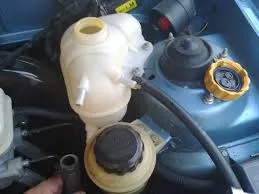
Speero's Cooling category lists parts such as the radiator cap (Radiator Cap), the reservoir hose (Radiator Reservoir Hose), the radiator and its upper and lower hoses. Pick your car by make, model and year first so that only compatible parts appear. Speero confirms each part fits your car. Delivery across Saudi Arabia takes 2 to 4 business days, and returns are free within 7 days of delivery. To choose the right coolant type, see Radiator coolant: 6 types and change intervals.
If your problem is the opposite of this article, that is coolant dropping from the reservoir rather than overflowing, read 7 common causes of radiator coolant loss.
Frequently asked questions
Is it normal for the radiator reservoir level to rise after a drive?
Yes, a small rise after a drive is normal because coolant expands with heat. The problem starts when coolant spills out of the reservoir opening or stays high after the car has cooled.
What should I replace first if coolant comes out of the reservoir?
Start with the radiator cap, the first suspect and a simple part. If its spring has weakened or its seal has cracked, the cap no longer holds pressure, so the coolant boils early and overflows into the reservoir.
How do I know if the head gasket is the cause?
You see constant bubbles in the reservoir while the engine runs, along with white smoke from the exhaust and milky oil on the dipstick. This needs a workshop check.
Can I open the radiator cap when the engine is hot?
No, because the coolant comes out under high pressure and heat. Stop in a safe place and wait until the engine cools, then top up through the reservoir, not the radiator.
Where do I find the right radiator cap or reservoir hose for my car?
Speero lists these parts in its Cooling category. Pick your car by make, model and year so that only compatible parts appear.
Related articles
 Cooling
Radiator cap: 5 signs it is bad and how to test it
A bad radiator cap causes coolant loss, overheating and an overfilled reservoir. 5 clear signs, how to test it, and how to pick the right cap for your car.
4 min read Cooling
There are 6 different types of radiator water and change intervals.
Radiator water helps maintain engine temperature and prevent damage. Learn about its types, change intervals, and how to prevent freezing.
4 min read Cooling
What should and should not be done when the car temperature rises.
Temperature rises can lead to breakdowns and losses. Learn what to do when your car overheats and the driving, oil and cooling factors involved.
4 min read