
Engine
5 Signs Indicating Damage to the Manual Transmission
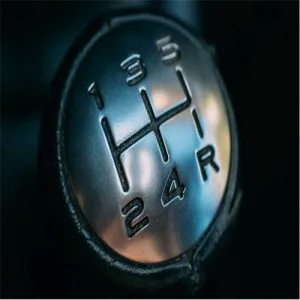
The transmission is one of the most important parts of a car, and it is used continuously while driving. There are two types of transmissions, manual and automatic. Several factors can cause problems in the manual transmission, such as misuse, exceeding the number of kilometers traveled, and neglecting necessary maintenance. The manual transmission consists of several components such as the pressure plate, clutch plate, and release bearing.
The causes of problems encountered with a standard transmission can vary. Some may originate from the standard transmission itself, while others may stem from its other components. Therefore, it is necessary for you to gather specific information about the problem you are experiencing in order to diagnose the situation correctly.
For example, you can search for detailed information indicating whether the problem appears in a particular gear, or when turning, or at a specific speed, or when switching to a lower gear. Determine whether you only feel vibrations, or hear strange sounds such as grinding and clattering. All these details will help you pinpoint the source of the issue and how to fix it with minimal damage.
What is a manual gearbox and how does it work?
Speero files the manual gearbox under Engine and transmission: it is the transmission where you choose the gear by hand and separate the engine from it with your foot through the clutch. The engine spins fast, and the gearbox turns that spin into torque at the wheels according to the gear. First gear is short and gives torque for pulling away and climbing. Fifth or sixth gear is long and gives highway speed with lower consumption. At every shift you press the clutch, the gear set separates from the engine, and the synchronizer (synchro) brings the new gear to shaft speed before it engages. That is why most manual gearbox faults start at the clutch, the synchronizers or the oil, not at the gears themselves.
Components of the Manual Transmission
The standard transmission consists of 6 main parts:
Firstly, the clutch pedal: Also known as the clutch pedal, it is a separate lever that can be controlled through the hydraulic components. If you press this pedal with your foot, the clutch plate will be released.
Secondly, the clutch plate: It consists of a disc that contains a high friction material around the circumference. This material aids in transferring the torque from the car's engine to the manual transmission system.
Thirdly, the pressure plate: These are parts that are bolted to the flywheel and rotate with it. It is worth noting that the clutch plate is located between the flywheel and the pressure plate, but it is not actually fixed to either of them.
These components work together to enable the car to move at various speeds and terrains. The clutch pedal, clutch disc, and pressure plate are the essential components that control gear shifting and transmission.
Also read: Where is the idle sensor located and how to repair it when it fails?
Fourthly: Clutch Pad: The clutch pad (release bearing) plays an important role in temporarily separating the engine from the standard transmission during gear engagement. When the clutch pedal is pressed, the release bearing presses on the pressure plate, which in turn pushes the clutch release fingers inwards. This action separates the engine from the transmission, allowing you to change gears and shift to a different gear. When the clutch pedal is released, the release bearing returns to its original position, allowing the transmission of power from the engine to the transmission again.
Fifth: The flywheel: It is a rotatable, toothed disk, commonly made from cast iron, heavy steel, aluminum, or carbon fibers. The flywheel resides between the gearbox bell housing and the engine, connecting with the crankshaft at its end. It works in conjunction with the clutch, pressure plate, and release bearing to transfer power from the vehicle's engine to the manual transmission. The outer circumference of the flywheel contains a ring gear that is used to start the engine through the car's starter motor.
Sixth: Manual gearbox gears: Gears of varying sizes are used for driving at different speeds. Smaller gears with fewer teeth provide less torque, but they enable the driver to drive at higher speeds. Meanwhile, larger gears provide more torque, but their maximum speeds are lower.
What are the signs of manual transmission damage?
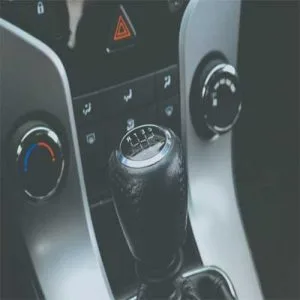
Here are five famous indicators pointing towards a malfunction in the manual transmission:
Firstly: The appearance of unfamiliar sounds from the transmission:
The main reason for the noise and loud sounds emanating from the transmission could be a lack of transmission fluid. A deficiency or contamination of the fluid can lead to the gears operating unevenly and producing high-pitched noises, making the transmission bothersome. Moreover, damaged gears and some other components can occasionally produce loud noises and chaos. To verify that the sound is not due to external factors and that it originates from the transmission during deceleration and acceleration, other components such as the CV joints, differential, and driveshaft can be checked.
Secondly: The emergence of grinding noises from the transmission:
If you hear grinding noises when trying to start the engine or engage the gearbox, it may indicate wear in the gear teeth. This can occur in various gears such as the flywheel ring gear or the gearbox gears.
Thirdly: The manual transmission shifts into neutral.
Usually, the reason behind a manual gearbox shifting into neutral is due to a problem with the link connecting the gear stick and the transmission. If this link is corroded or excessively stretched, the transmission will not be able to change gears correctly, and it will not be able to remain engaged in the required gears.
If the manual transmission in your car shifts to neutral only when switching to a specific gear, the problem might be due to the wear of the synchronizers. Synchronizers act as integral part of a manual transmission, and their primary purpose is to facilitate the shifting between the gears. When synchronizers are damaged, the gears cannot engage as needed, and the transmission might unexpectedly shift to neutral.
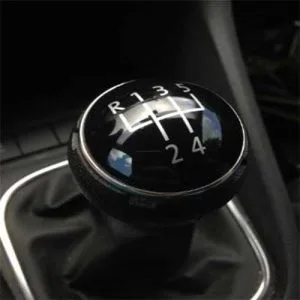
Fourthly: You may find it hard to change the gearbox gears.
If you encounter difficulty in shifting gears, even when the car engine is not running, it is recommended to check the connections. If the problem persists and only appears when the engine is running, it is advised to ensure the clutch plate is in good condition. Also, you should check the clutch cylinder and make sure there is no air within the system, depending on the car model. Other causes that may lead to difficulty in gear shifting can include damage to the internal components, especially the release bearing, pressure plate, and clutch plate, or a lack of transmission oil.
Fifthly: The transmission can get stuck in a particular gear.
In some cases, the driver may not be able to move the gear stick out of the gear. This can be attributed to a low oil level or the use of an inappropriate type of oil. It could also be related to the clutch cable, if it is not properly extended. In this case, it is advisable to steadily and slowly pull up the clutch pedal. It's worth mentioning that the cable can be significantly damaged due to rust, excessive use, or dirt, and must therefore be replaced.
The manual gearbox will not engage: causes in order
Speero ranks the causes of a manual gearbox that will not engage by how often workshops see them. First: the clutch does not fully separate, because of air or a leak in the master or slave cylinder, a slack clutch cable, or a finished clutch plate. You know it is this cause when the gear goes in easily with the engine off and hard with it running. Second: a worn synchronizer on one gear, so the gearbox engages every gear except one and you hear a crunch going in. Third: the gear stick linkage, where a worn bush or a torn boot lets the stick move without the movement reaching the gearbox. Fourth: low or wrong gear oil, so shifts are stiff when the car is cold and ease up as it warms. Fifth: a broken gearbox mount or engine mounts, so the gearbox shifts position and binds the linkage. The details of an empty or light clutch pedal are in the article Clutch pad: signs of wear and the pedal that goes to the floor.
Manual gearbox oil: when to change it and the signs it is low
Speero notes that the manual gearbox has its own oil, different from automatic transmission fluid, and it is changed on the maker's schedule in the car's manual. The signs it is low or spent are four: a whine that rises with speed and disappears when you press the clutch, stiff shifts when the car is cold, a burning smell after a long drive, and oil spots under the gearbox. Check the level at the filler plug on the side of the gearbox with the car level. If the oil comes out black or carries metal filings, change it and have the gearbox inspected before the gears are damaged.
Manual vs automatic: how the faults differ
Speero separates the two types because their symptoms look alike and their causes differ. In a manual gearbox most faults sit in the clutch, the synchronizers and the linkage, and repairs are usually simpler because the parts are separate. In an automatic the faults sit in the fluid, the torque converter, the internal clutches and the transmission computer, and they show as a delayed shift, a shudder or a gear that sticks. If your car is an automatic, the article Types of automatic transmission explains its types.
How do you extend the life of a manual gearbox?
Speero sums up a longer manual gearbox life in four habits. Do not leave your hand on the stick while driving, because constant pressure wears the shift fork. Do not drop a gear at high speed. Press the clutch all the way down before every shift. Change the gear oil on schedule. When replacing the clutch, change the whole kit (plate, pressure plate and release bearing). Gearbox and clutch parts on Speero sit under Engine and transmission and show for your car once you set the make, model and year, for example Toyota Hilux or Nissan Sunny.
Common mistakes when driving a manual
The mistakes that wear a manual gearbox most are resting your foot on the clutch pedal while driving and holding the car on a slope with the clutch instead of the handbrake. Light pressure on the clutch makes the plate slip partly, so it heats up and wears faster, and the release bearing stays under constant load. The same happens if you wait at a light in gear with the clutch pressed; it is better to put the gearbox in neutral and lift your foot. Another mistake is engaging reverse while the car is still rolling forward: on most cars reverse has no synchroniser, so you hear grinding and the gear is damaged. Pulling away from a stop in second gear overloads the clutch and burns the plate over time. Finally, flooring the accelerator while releasing the clutch suddenly hits the gears, the engine mounts and the propeller shaft with a sudden load.
How do you change gears in a manual the right way?
Changing gear in a manual takes three moves in a row: press the clutch all the way down, move the stick to the next gear, then lift your foot off the clutch gradually as you add throttle. Always pull away in first gear, and shift up when the engine note rises and acceleration fades, without waiting for it to rev hard. When shifting down, slow the car with the brakes first, then drop one gear at a time and release the clutch smoothly so the car does not jerk. Move the stick gently; if it resists, do not force it: return it to neutral, release the clutch, press it again and try once more, because forcing it wears the synchroniser. Engage reverse only once the car has stopped completely. If engaging is hard every time despite these steps, go back to the causes of a gearbox that will not engage, listed above.
Frequently asked questions
What are the signs of a damaged manual transmission?
The five main signs are unusual sounds from the transmission, grinding noises, the gearbox slipping into neutral, hard gear changes and the transmission getting stuck in a specific gear.
Why does my manual transmission pop into neutral while driving?
The usual cause is a problem with the link between the gear stick and the transmission, if it is corroded or excessively stretched. If it only happens in one specific gear, worn synchronizers may be the cause.
Can low transmission oil cause noise in a manual gearbox?
Yes, low or contaminated transmission fluid can make the gears run unevenly and produce loud, high-pitched noises. Damaged gears can also produce loud noises.
Why is it hard to change gears in my manual car?
If shifting is hard even with the engine off, check the connections. If it only happens with the engine running, check the clutch plate; damaged internal components or low transmission oil can also be the cause.
Why does my gear stick get stuck in one gear?
It can be caused by a low oil level or the wrong type of oil. It can also be the clutch cable if it is not properly extended, and the cable must be replaced if rust, heavy use or dirt has damaged it.
What is a manual gearbox?
Speero defines it as the transmission where you choose the gear by hand and separate the engine from it with the clutch pedal. Its six main parts are the clutch pedal, clutch plate, pressure plate, release bearing, flywheel and gears.
The manual gearbox will not engage: what do I check first?
Speero's advice is to try engaging a gear with the engine off. If it goes in easily, the problem is in the clutch (air, a leak, the cable, or a finished plate). If it is hard even with the engine off, the problem is in the stick linkage, the synchronizers or the oil.
When should manual gearbox oil be changed?
Speero points you to the maintenance schedule in your car's manual, because the interval differs from one maker to another. Change it early if it comes out black, carries metal filings, or you hear a whine that disappears when you press the clutch.
Related articles
 Engine
Oil Pressure: 13 Reasons It Is Low in Your Engine
Learn why low oil pressure can signal an urgent engine problem, and discover 11 main causes and effective ways to deal with them.
4 min read Engine
Reasons for Engine Valve Damage
Engine valves usually fail from bending after contact with the piston, burning, poor lubrication, carbon buildup or overheating.
4 min read Engine
Car Stuttering: Top 5 Causes
Learn what causes car stuttering, its symptoms, and how to solve this common issue linked to spark plugs and the ignition coil.
4 min read